Morocco: Prayer for rain in Salé, after six years of below-average rainfall
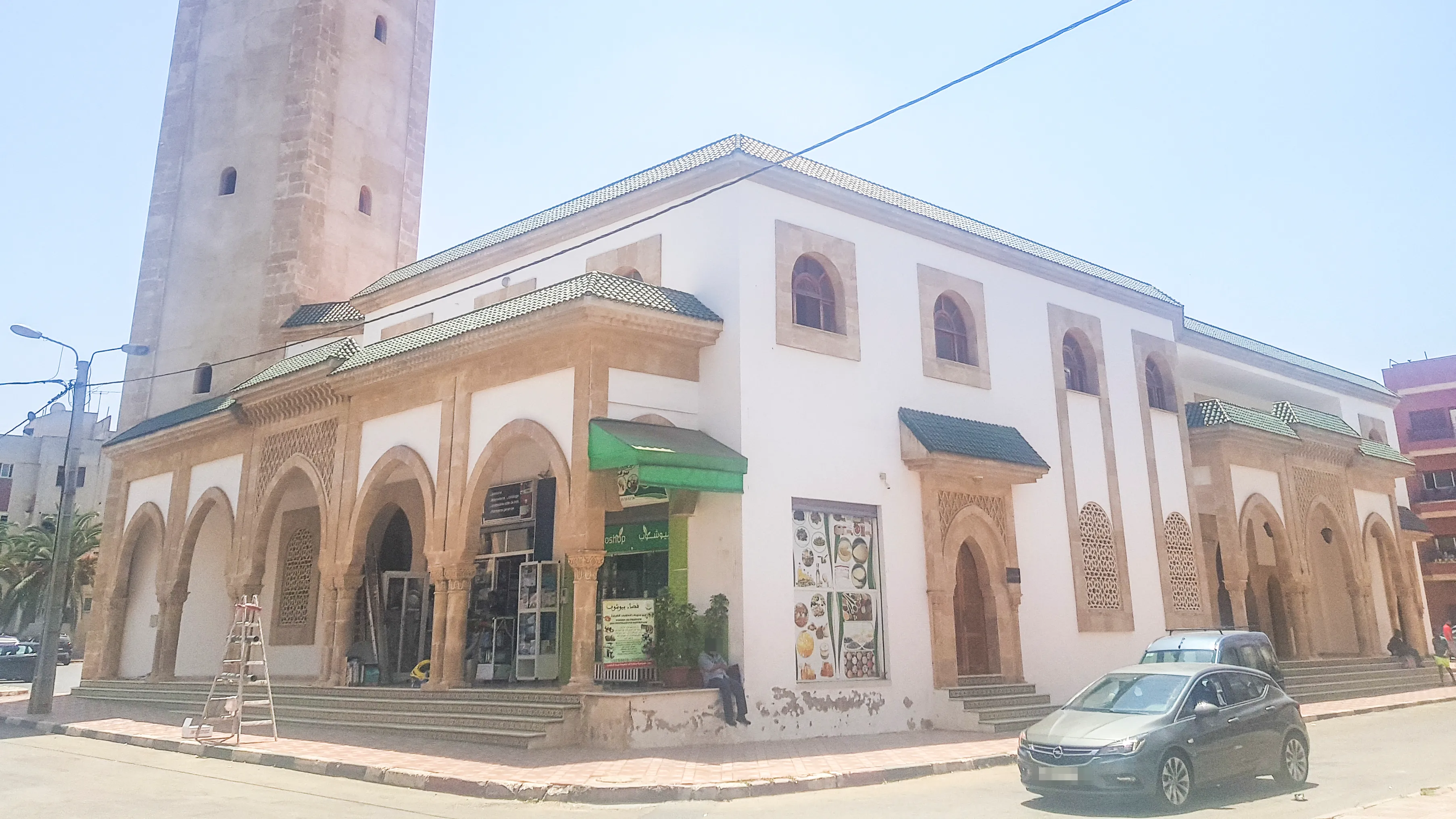
Worshippers gathered on Friday, November 27, 2026, in Salé, Morocco, to perform the salat al-Istisqa, the prayer for rain, following a call from King Mohammed VI, reports Africanews. Children from Quranic schools marched carrying wooden tablets engraved with verses, before a prayer led by an imam followed by a sermon.
Among them, Ahmed Elgaidi, a 64-year-old imam, described this moment as an opportunity to turn to God with humility and ask for forgiveness, according to the same media outlet.
Six years below average
Morocco recorded six consecutive years of below-average rainfall between 2019 and 2024, the longest such sequence ever recorded, according to Africanews. During the 2023-2024 hydrological year, the country received 106.4 millimeters of rain, its lowest total in over six decades.
But autumn 2026 has changed part of the picture
These figures refer to past years. The Moroccan media outlet Hespress wrote on November 28, 2026, that rainfall from September to November had improved soil moisture and revived water flows, and that national reserves exceeded nine billion cubic meters. In the Fez-Meknes region, approximately 99,400 hectares have been plowed in Moulay Yacoub, including 78,800 hectares of cereals, 7,800 of legumes, and 4,000 of fodder, and autumn sowing had reached 75% of the program, according to Mohamed Mezouar, provincial director of agriculture in Fez.
Fez and Moulay Yacoub had, however, received 45 millimeters by the end of November, which is less than at the same time in the previous season. Moulay Malek El Boumohammadi, representative of the Souss-Massa Regional Chamber of Agriculture, estimates to Hespress that these rains have mitigated the effects of seven years of drought. Africanews, for its part, counts six years of deficit between 2019 and 2024: the two counts do not overlap, and neither source provides a national rainfall figure for 2026.
What remains at stake
The state subsidizes about half the cost of certified seeds, at 270 dirhams per quintal for soft wheat, 320 for durum wheat, and 250 for barley, according to Hespress. The area under direct seeding is expected to increase from 15,500 to 18,000 hectares starting in December 2026. Farmers remain dependent on the rains of December and January, which will determine the cereal season.
The Moroccan drought is not just an episode: it is now a parameter of public life, negotiated in plowed hectares, subsidized quintals, and stored cubic meters. The prayer in Salé serves as a reminder of the part that still escapes all these calculations, and which millions of rural families, from the Souss to the Saïs, are waiting for from the sky.
This article was written in French with the help of artificial intelligence from the sources cited below, then translated from French automatically. Read the original.