Egypt: $33.9 billion sent by the diaspora in eight months, a record
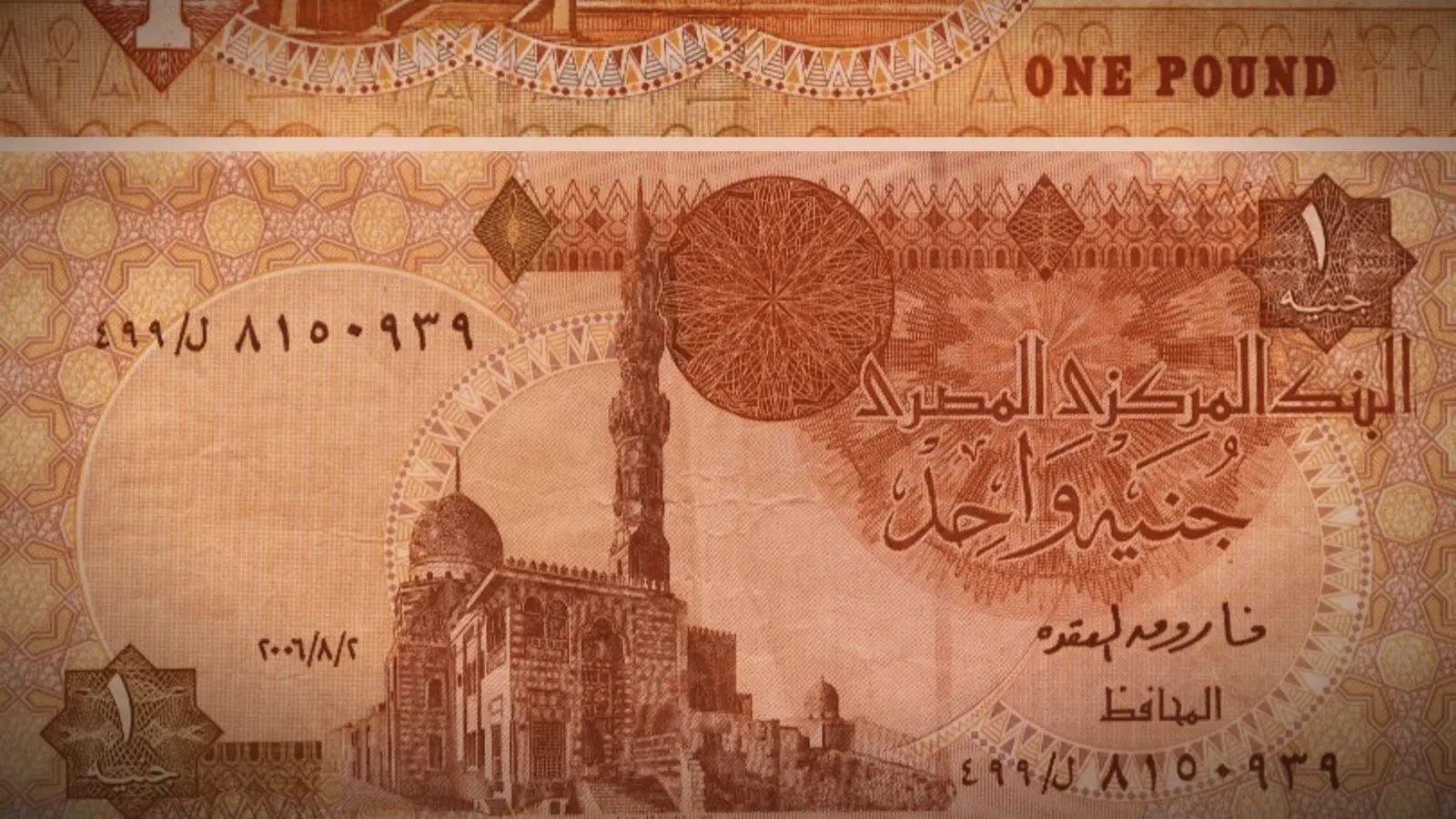
Egyptians working abroad transferred $33.9 billion to their home country between January and August 2026, a record, the Central Bank of Egypt announced on October 13, 2026. During the same period in 2025, the total stood at $26.6 billion: the increase reached 27.2%, or approximately $7.3 billion more in eight months.
For the month of August 2026 alone, remittances reached approximately $4.2 billion, an increase of 21.7% over August 2025, when they were $3.5 billion. However, the month remains about $300 million lower than July 2026, which had peaked at around $4.5 billion, notes the media outlet The New Arab.
Two years of continuous growth
The momentum is not new. The cumulative total from January to August 2025 had already jumped by 47.2% compared to the same period in 2024, rising from $18.1 billion to $26.6 billion. For the full year 2025, transfers reached $41.5 billion, up 40.5% from the previous year. In 2024, they amounted to $29.6 billion: the first eight months of 2026 have therefore already exceeded the total of an entire year.
Notably, this record was set despite the war in the Middle East, a region where a large portion of the Egyptian expatriate workforce is employed, highlights The New Arab.
More than the country's current account deficit
The weight of these transfers in the Egyptian economy can be measured by one figure: in the 2024-2025 fiscal year, they represented $36.5 billion according to the Central Bank's balance of payments data, while the country's current account deficit stood at $15.4 billion for the same period. In other words, the money sent by Egyptians abroad covers more than twice the current account gap.
The true weight of an African diaspora
The Egyptian case sheds light on a reality that is still poorly measured across the continent: diaspora money is not aid; it is a salary earned elsewhere and sent back home. It arrives without conditionality or adjustment programs, directly into households, where it pays for school, healthcare, and rent. It is neither donors nor foreign investors who are currently propping up the Egyptian balance of payments, but workers, technicians, and teachers.
This strength has its trade-off: it relies on people, and therefore on their working conditions and the fees charged on each transfer. An economy that relies on the income of its expatriates remains exposed to decisions made in the countries that employ them. For Africa, the challenge is not just to receive this money: it is to create the jobs on the continent that would make leaving less necessary.
This article was written in French with the help of artificial intelligence from the sources cited below, then translated from French automatically. Read the original.