Egypt: Sisi announces the end of his presidency in 2030 and rules out any constitutional revision
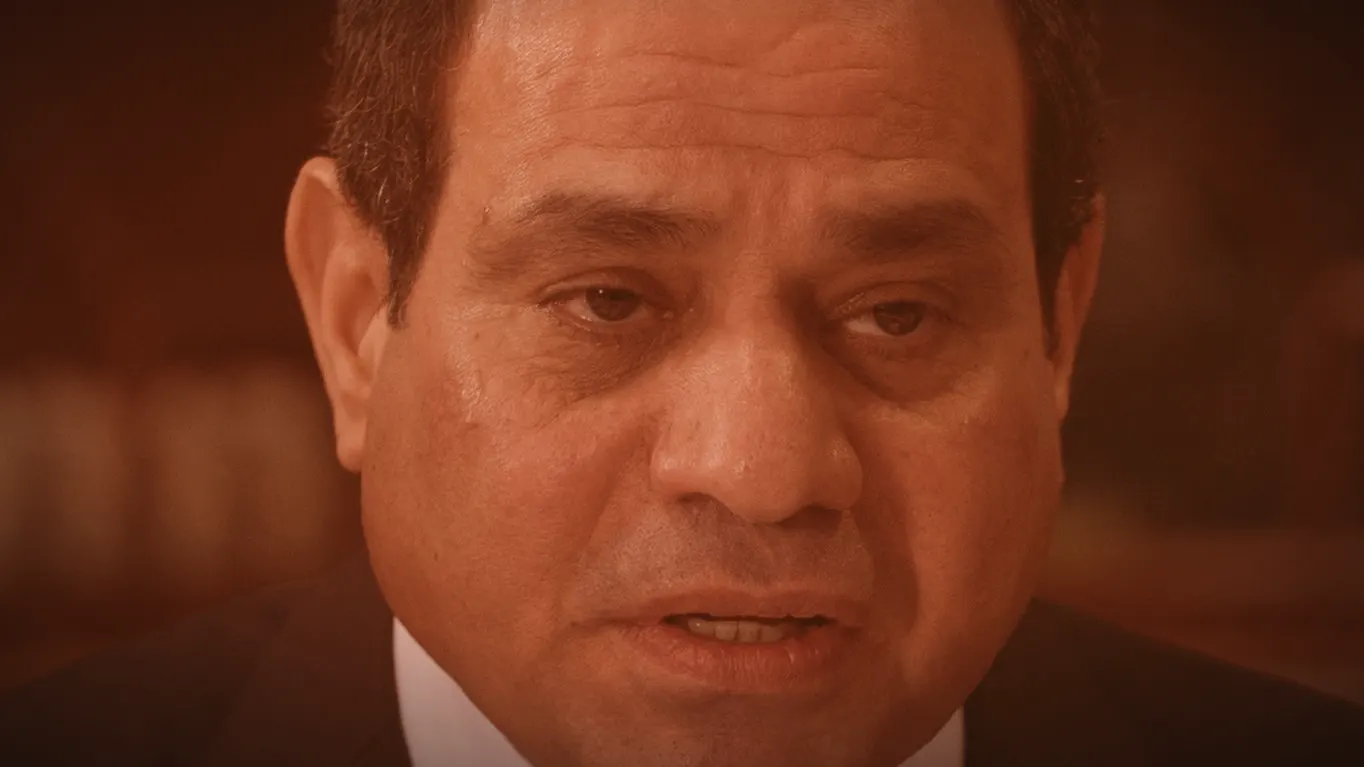
Egyptian President Abdel Fattah al-Sisi stated on Saturday, October 17, 2026, that his term would end in 2030 and that he would not seek to remain in power beyond that date. He was speaking in the New Administrative Capital, east of Cairo, during the graduation ceremony for the first class of the Egyptian Military Academy, according to Egyptian Streets and Africanews.
"This matter is completely settled," he declared, specifying that his term would end in 2030 if he were "still alive." He also ruled out any changes to the fundamental text: leaving the Constitution intact is, according to him, the right path.
What the Constitution says
Aged 71, a former army chief, Abdel Fattah al-Sisi has led Egypt since June 2014, after leading the ouster of Mohamed Morsi in 2013. Reelected in 2018, he secured a third term in December 2023 with 89.6% of the vote and was sworn in on April 2, 2024. The presidential term, initially four years and limited to two, was extended to six years by the 2019 amendments, which also allowed him to run again: they were approved by 88.83% of voters, with a turnout of 44.3%, according to figures from Reuters cited by Egyptian Streets.
A program to prepare for the succession
The head of state presented his departure as the culmination of an organized preparation for succession. He detailed a leadership training program that could last up to 30 months and include more than 7,500 hours of instruction, open to candidates aged 40 to 50 with a doctorate who are selected through a competitive examination. Between 200 and 1,000 participants could be admitted, with costs covered by the armed forces.
Abdel Fattah al-Sisi assured that this was not about preparing a member of his family to succeed him, and justified an announcement made more than 40 months before the end of his term by a desire to put an end to speculation.
The skepticism of opponents
The announcement does not dispel all doubts. Opponents point to the possibility of new constitutional amendments that would allow the president to remain in power after 2030, reports Africanews. The precedent of 2019 fuels this distrust.
The record of these twelve years remains disputed: development driven by the state and supported by major projects, but financed, according to his critics, by growing debt. Human rights organizations accuse the government of repressing the opposition, civil society, and freedom of expression, while the government responds that its choices are necessary for the country's stability. For the continent, a succession announced in one of its most influential states is an event to follow closely.
This article was written in French with the help of artificial intelligence from the sources cited below, then translated from French automatically. Read the original.