Foot-and-mouth disease: EU suspends Namibian meat, 127 cases confirmed in the Kharas region
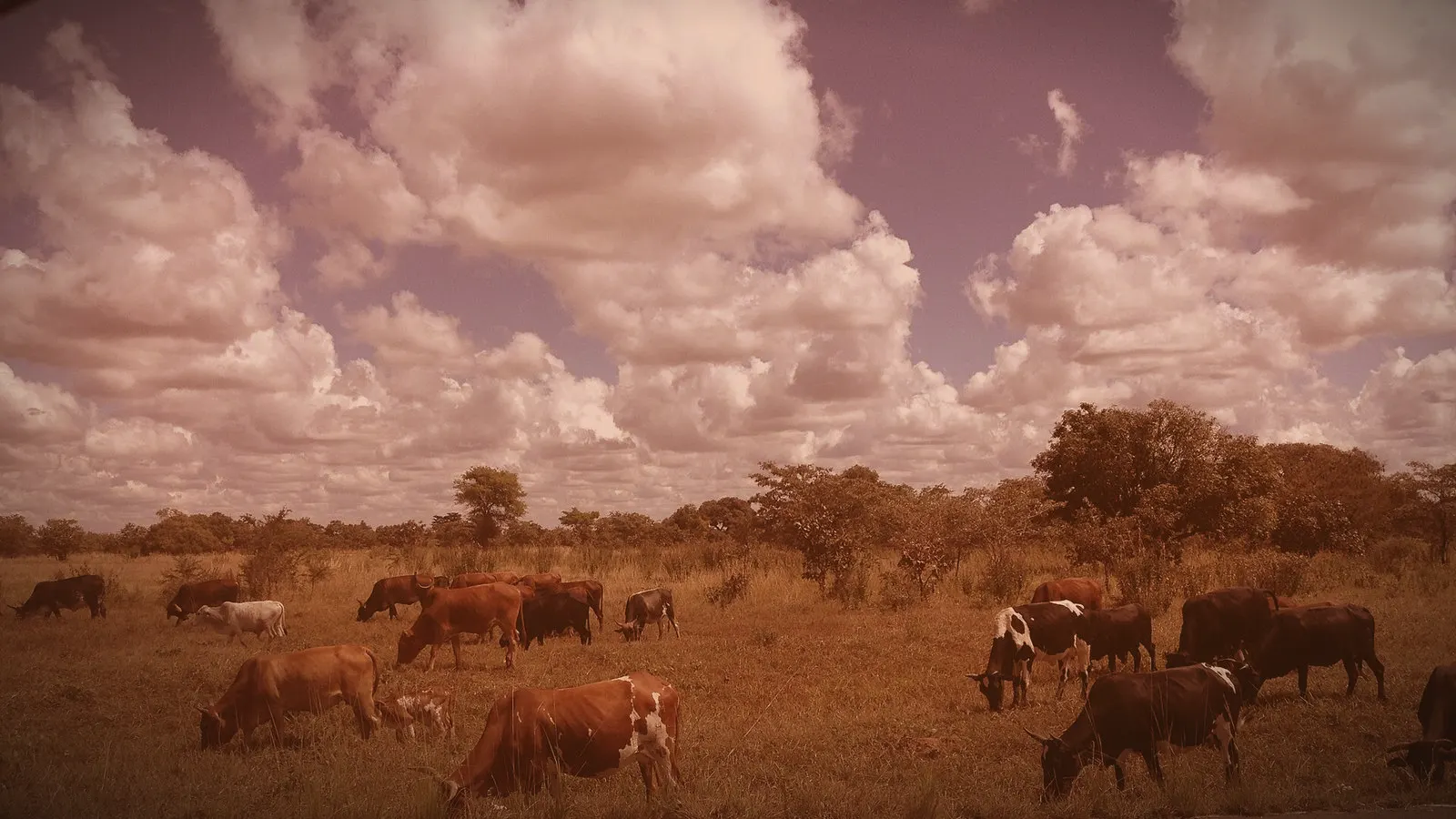
The European Union has temporarily suspended its imports of fresh beef, sheep, and goat meat from Namibia, following the confirmation of a foot-and-mouth disease outbreak in the Kharas region in the south of the country. As of October 5, 2026, 127 cases had been confirmed across 15 farms, according to information gathered by allAfrica.
Namibian veterinary services have inspected more than 29,000 animals across 68 farms. The government has implemented movement controls, roadblocks, a surveillance and traceability system, and is planning a containment buffer zone. Veterinary fences are being reinforced at the borders with Botswana and South Africa, two countries that also depend on the sub-region's sanitary status for their own exports.
An industry built on sanitary status
Namibia is not a meat exporter like any other: it is one of the few African countries authorized to sell fresh beef to the European, British, and Norwegian markets, which are among the most demanding in the world regarding sanitary standards. This gateway, obtained after decades of investment in livestock traceability, relies entirely on the recognition of a foot-and-mouth disease-free zone. According to allAfrica, Europe absorbs more than 80% of Namibian beef exports.
The financial stakes are significant for a country of nearly three million inhabitants. The daily newspaper The Namibian estimated at the end of September 2026 that the European market is worth 3.3 billion Namibian dollars per year to the industry, and valued meat product exports at 1.43 billion for the first five months of the year. The same newspaper estimated that a 10% drop in animal production would cost 0.45 percentage points of gross domestic product.
Thousands of jobs at stake
Behind the statistics are the farmers. Movement restrictions and the halt of commercial slaughter are depriving both communal and commercial farms of income in an arid region where livestock farming is often the only viable activity. The thousands of jobs in the chain—farms, slaughterhouses, transport, and packaging—are at risk.
Namibian authorities have indicated they are working on a notification to the World Trade Organization. The question that will arise next is that of time: regaining disease-free status is measured in months, sometimes years of surveillance, and every month of suspension diverts European buyers toward other suppliers. For Namibia, this episode illustrates the fragility of an export model that hangs on the decision of a single client.
This article was written in French with the help of artificial intelligence from the sources cited below, then translated from French automatically. Read the original.