Guinea: A one-billion-dollar sovereign wealth fund backed by Simandou iron ore approved by lawmakers
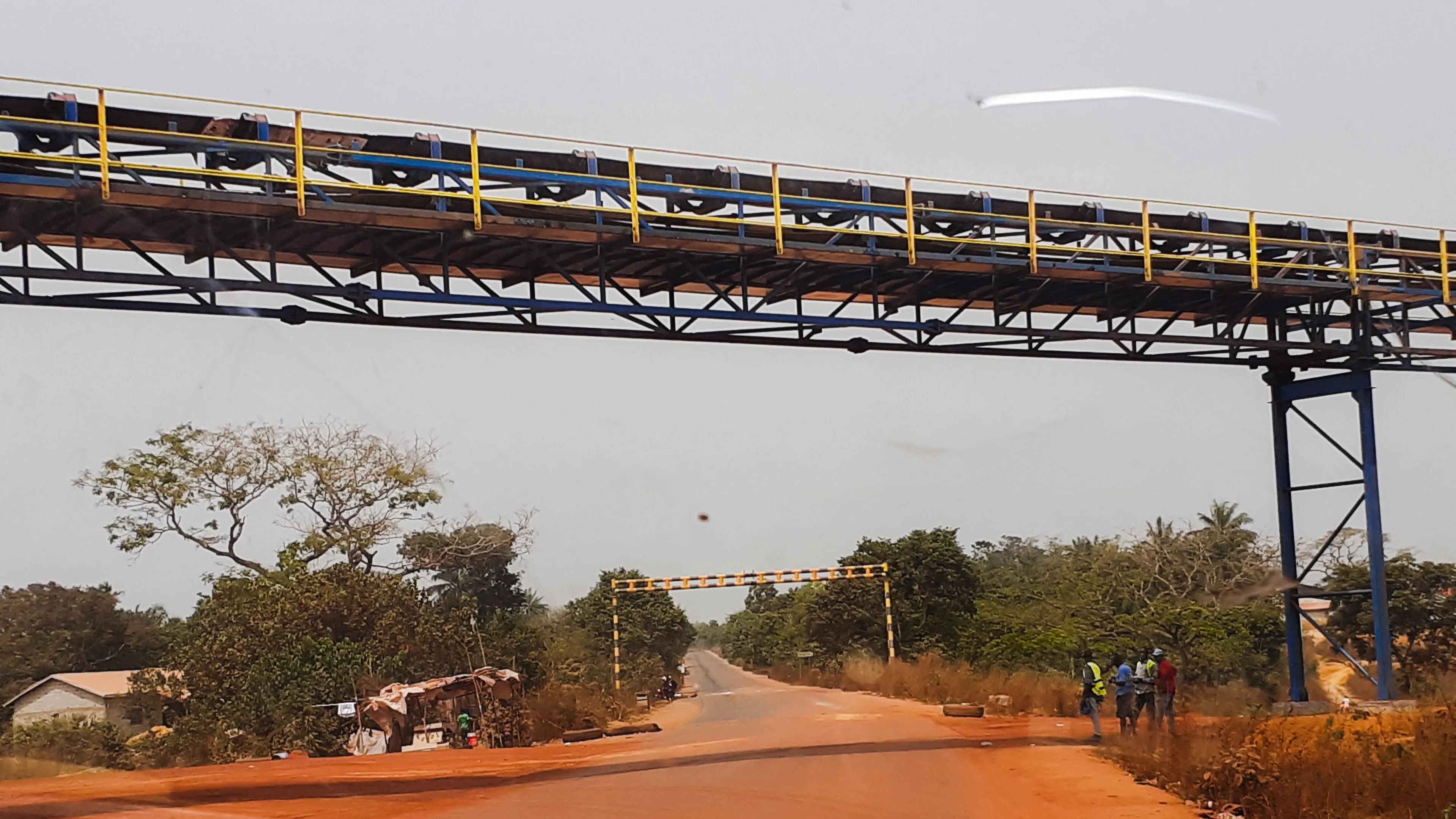
The National Assembly of Guinea adopted the bill creating the Sovereign Wealth Fund of the Republic of Guinea on Wednesday, November 25, 2026, endowed with one billion dollars and fueled by revenue from Simandou iron ore. The vote passed with 121 votes in favor, none against, and two abstentions out of 123 voters, according to Guinée360.
The principle is rare on the continent: a portion of mining revenue will no longer pass through the current budget. The text reserves 30% of the tax and non-tax revenues actually collected from Simandou for the fund, as well as 5% of revenues from extractive projects that enter production after the law comes into effect, according to Guinéenews and Le Révélateur 224.
Nine hundred million dollars guaranteed in five years
The billion must be mobilized over five fiscal years. Lawmakers tightened the government's schedule: instead of 100 million dollars per year, the State must pay a minimum of 150 million for the first two fiscal years, then 200 million for the following three, totaling 900 million guaranteed, reports Guinéenews.
The fund takes the form of a single-shareholder limited company under Guinean law, 100% owned by the State, created for ninety-nine years and subject to OHADA law. It is divided into three compartments with separate accounting—development, macroeconomic stabilization, and intergenerational equity—specifies Le Révélateur 224. The Law Committee raised the minimum share reserved for future generations from 15% to 20%, according to Guinéenews.
Safeguards against withdrawals
The State will only be able to draw from the stabilization reserve starting from the fourth fiscal year, upon authorization by a finance law, limited to 30% of the assets of that reserve per fiscal year and for a maximum of two consecutive fiscal years. The savings for future generations are protected from any withdrawals. The board of directors will have nine members, including seven independent ones, and the fund will be subject to oversight by Parliament and the Court of Auditors, with an annual external audit and the publication of its financial statements.
The project had been sent back to committee on October 9, 2026; the text grew from 63 to 81 articles, details Le Révélateur 224. On November 19, in the Council of Ministers, President Mamadi Doumbouya had asked the Simandou Strategic Committee to finalize the mechanism.
The test that Guineans will apply themselves remains: can a written rule withstand budgetary emergencies? The Law Committee demanded that revenues due to local authorities and priority social expenditures be preserved, and that a financing plan be projected over five, ten, and twenty years in case Simandou experiences delays. Transforming an exhaustible rent into sustainable wealth is the stated ambition; it will be measured by the first payments.
This article was written in French with the help of artificial intelligence from the sources cited below, then translated from French automatically. Read the original.