Guinea: Former Constitutional Court President sentenced to seven years for over $20 million
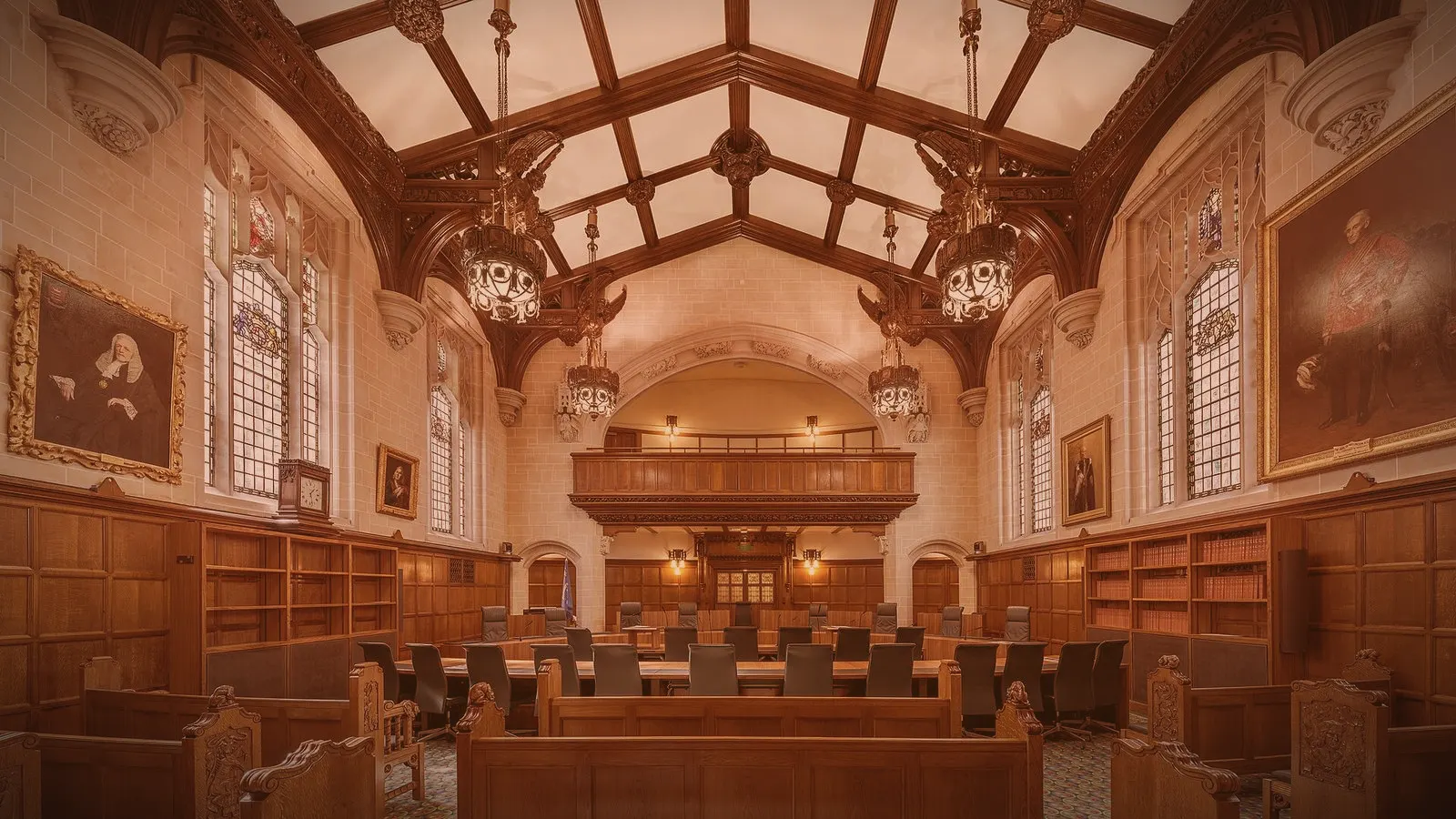
Mohamed Lamine Bangoura, former president of the Constitutional Court of Guinea, was sentenced on Wednesday, October 21, 2026, to seven years in prison for the embezzlement of over $20 million in public funds, illicit enrichment, corruption, and money laundering, reports Africanews. The case concerns the management of funds allocated to the Constitutional Court during his tenure as its head.
In addition to the prison sentence, the court imposed a heavy fine and significant damages to be paid to the State, for which he is jointly liable with two co-defendants who are both on the run. This is accompanied by a five-year ban from holding public office and the confiscation of his assets in Guinea and neighboring Senegal.
Held in detention since December 2022, Mohamed Lamine Bangoura has contested the accusations, and his lawyers had pleaded for his acquittal. Africanews does not specify whether he has announced an intention to appeal.
A court born from a coup
The verdict was delivered by the Court for the Repression of Economic and Financial Offenses (CRIEF), a specialized jurisdiction created by the military shortly after the 2021 coup. According to Africanews, approximately 180 high-ranking officials and former ministers from Alpha Condé's administration are being targeted by this court. Alpha Condé was overthrown in 2021 by the putsch that brought Mamady Doumbouya to power; the latter led the junta before winning a presidential election last year without any significant opposition.
Accountability, but not one-sided
For Guinean citizens, seeing a former high-ranking magistrate answer for public money is a break from decades of impunity and a legitimate demand: money embezzled from an institution is money that does not go to schools or hospitals. Defending the rights of Africans also means demanding accountability from those who govern them.
But the credibility of such a justice system is also measured by its blind spots. Opposition organizations claim that freedoms are being repressed in Guinea and that the judicial apparatus is being instrumentalized, notes Africanews. A court that only pursues men from the fallen regime remains only half-independent. The question that will face the CRIEF in the coming months is simple: will it also judge officials from the Doumbouya era?
This article was written in French with the help of artificial intelligence from the sources cited below, then translated from French automatically. Read the original.