Guinea: Nimba Gold refinery opens in Conakry, after 70 tonnes of raw gold exported in 2025
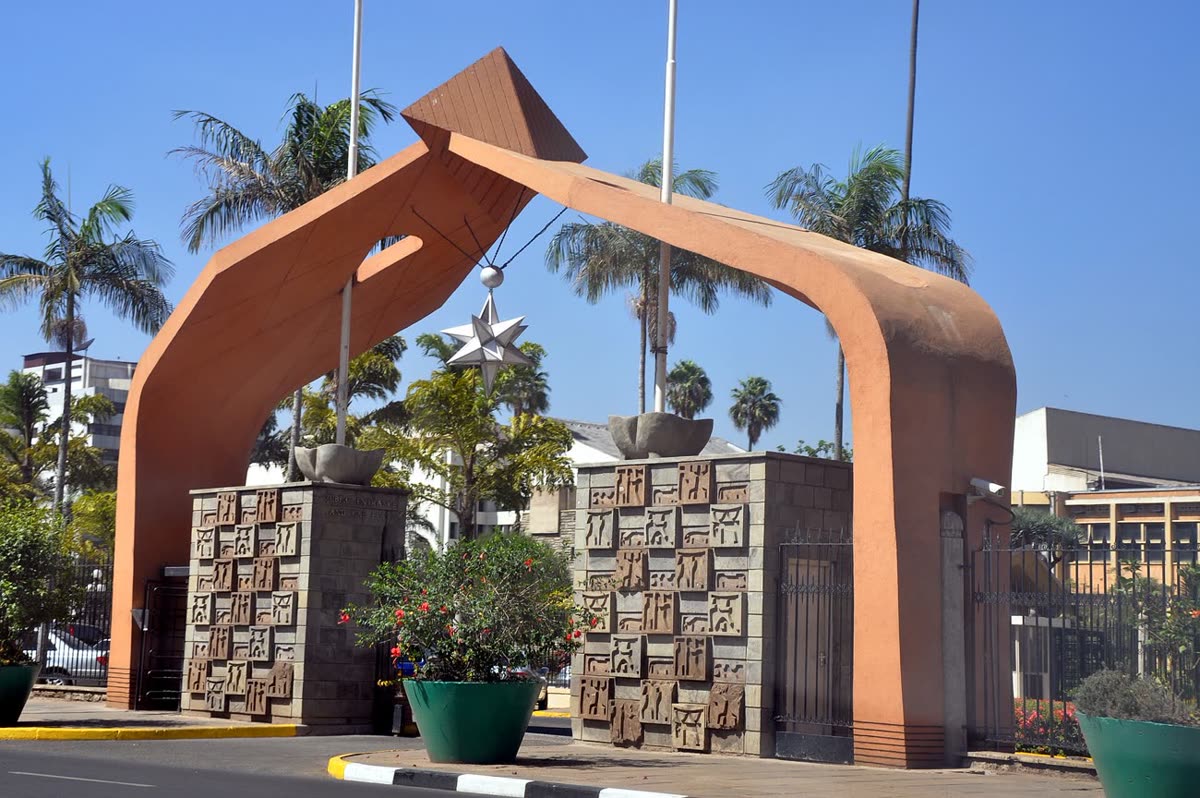
Guinea has inaugurated its first gold refinery in Conakry, named Nimba Gold Refinery, a facility designed to process on-site a metal that the country had previously sold in its raw state. The information was published on November 2, 2026, by RFI, which presents the plant as the first of its kind on Guinean soil.
The figure that highlights the scale of the challenge is that of exports: 70 tonnes of gold left Guinea in 2025, with about 50 tonnes extracted by artisanal mines, according to RFI. In other words, the bulk of Guinea's gold wealth comes from shovels, sieves, and manual labor, and was leaving without any value being added on national soil.
"That era is over"
The Minister of Mines, Bouna Sylla, recalled that Guinea had been mining and exporting its gold in a raw state for centuries and stated that "that era is over." Still according to the minister, as quoted by RFI, the state could purchase up to 30% of the gold produced by industrial and semi-industrial mines in order to route it to the new refinery.
It remains to be seen where the raw material will come from. The director of the Guinean Observatory of Mines and Metals, Oumar Totiya Barry, points out that "a significant portion of this artisanal production still escapes the control of the mining administration," and mentions the fraudulent transit of Guinean gold to Mali and other neighboring countries. Capturing these volumes will be the condition for the plant's economic survival.
Artisanal miners, the adjustment variable
The inauguration comes a few days after a decision with heavy consequences for hundreds of thousands of families: the authorities have suspended artisanal mining, officially for environmental reasons, RFI specifies. Observers cited by the radio station believe that the government could take advantage of this pause to reorganize the sector. The question remains: will artisanal miners be integrated into the value chain or simply pushed aside in favor of official channels?
Guinea is not moving alone in this area. Mali, Burkina Faso, and Ghana have already inaugurated their own refineries, and Côte d'Ivoire is set to open its own in 2027, according to RFI. A common idea runs through these projects: to stop shipping raw minerals in order to export finished products, and to keep on the continent the margins that foreign refineries had been taking until now.
The test will come from the volumes actually refined in Conakry in the coming months, and from the share of artisanal gold that the state manages to bring back into a legal circuit without depriving those who extract it from the ground of their income.
This article was written in French with the help of artificial intelligence from the sources cited below, then translated from French automatically. Read the original.