Kabwe: Zambia faces African Union committee over lead poisoning affecting 95% of children
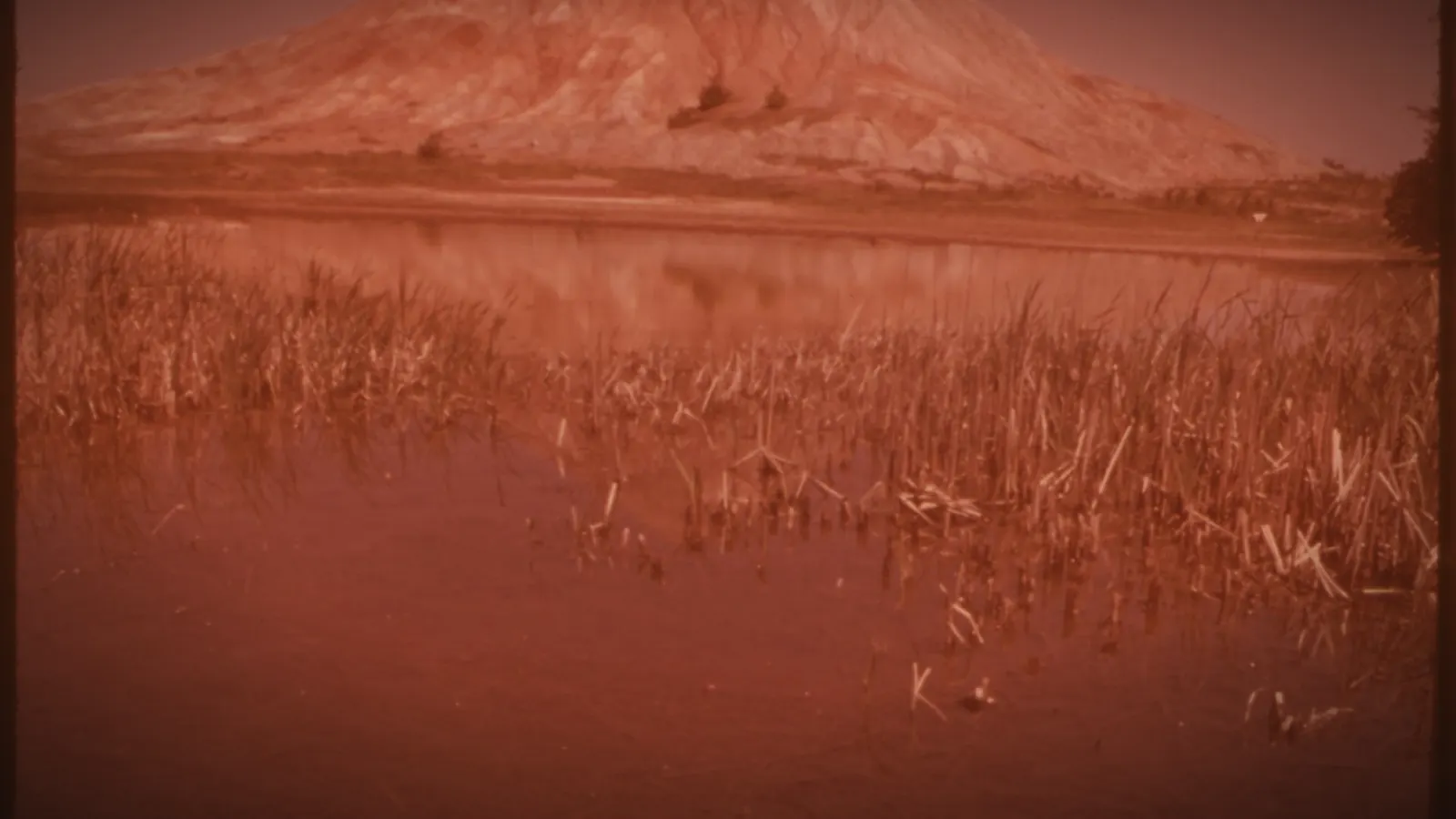
Zambia must answer to an African Union body regarding the lead poisoning of children in Kabwe, a city in the center of the country where more than 95% of children living near the former mine have high blood lead levels, according to medical researchers cited by Human Rights Watch (HRW).
The complaint was filed in April 2026 with the African Committee of Experts on the Rights and Welfare of the Child by the Institute for Human Rights and Development in Africa (IHRDA), Zambian civil society organizations, and affected families. HRW indicates that the Committee was scheduled to examine the case on October 20, 2026.
6.4 million tons of waste left in the open
Lead and zinc mining in Kabwe began under British colonial rule. The mine closed in 1994, but approximately 6.4 million tons of waste and mining tailings remained on-site, uncovered, and dust continues to settle on homes, schools, and playgrounds. Up to 200,000 people may have been exposed, according to HRW.
The plaintiffs invoke the African Charter on the Rights and Welfare of the Child: the right to health, education, survival, and development. They describe, reports Zambia Monitor, cognitive impairments, growth delays, learning difficulties, chronic illnesses, and, in some cases, deaths.
The accusation: licenses continue to be issued
The central argument is not just the colonial legacy: it is that the Zambian state, warned for years by studies and recommendations from African and UN bodies, continues to authorize the exploitation of this toxic waste. At the end of 2025, according to HRW, Zambia allowed the Chinese company Hua Yu Sheng to control most of the lead tailings in Kabwe to extract zinc. The organization indicates that the company did not respond to its request for explanations regarding its prevention measures.
The plaintiffs are calling for the immediate containment of contamination sources, the suspension of dangerous activities, the screening and treatment of all affected children, long-term soil, housing, and school decontamination, and, according to Zambia Monitor, financial sanctions against the state.
Health and cleanup measures funded by the World Bank have been initiated and a multi-stakeholder technical committee has been created, but HRW believes they do not address the source of the pollution. A 15-year-old girl from Kabwe summarizes the issue in a sentence cited by the organization: the children of Kabwe, she says, "also have dreams."
The African Committee of Experts can find a violation of the Charter and issue recommendations to the state. The case is also a test for the institution: its ability to hold one of its member states accountable.
This article was written in French with the help of artificial intelligence from the sources cited below, then translated from French automatically. Read the original.