Kampala brings together army chiefs from fifteen African countries for non-war military missions
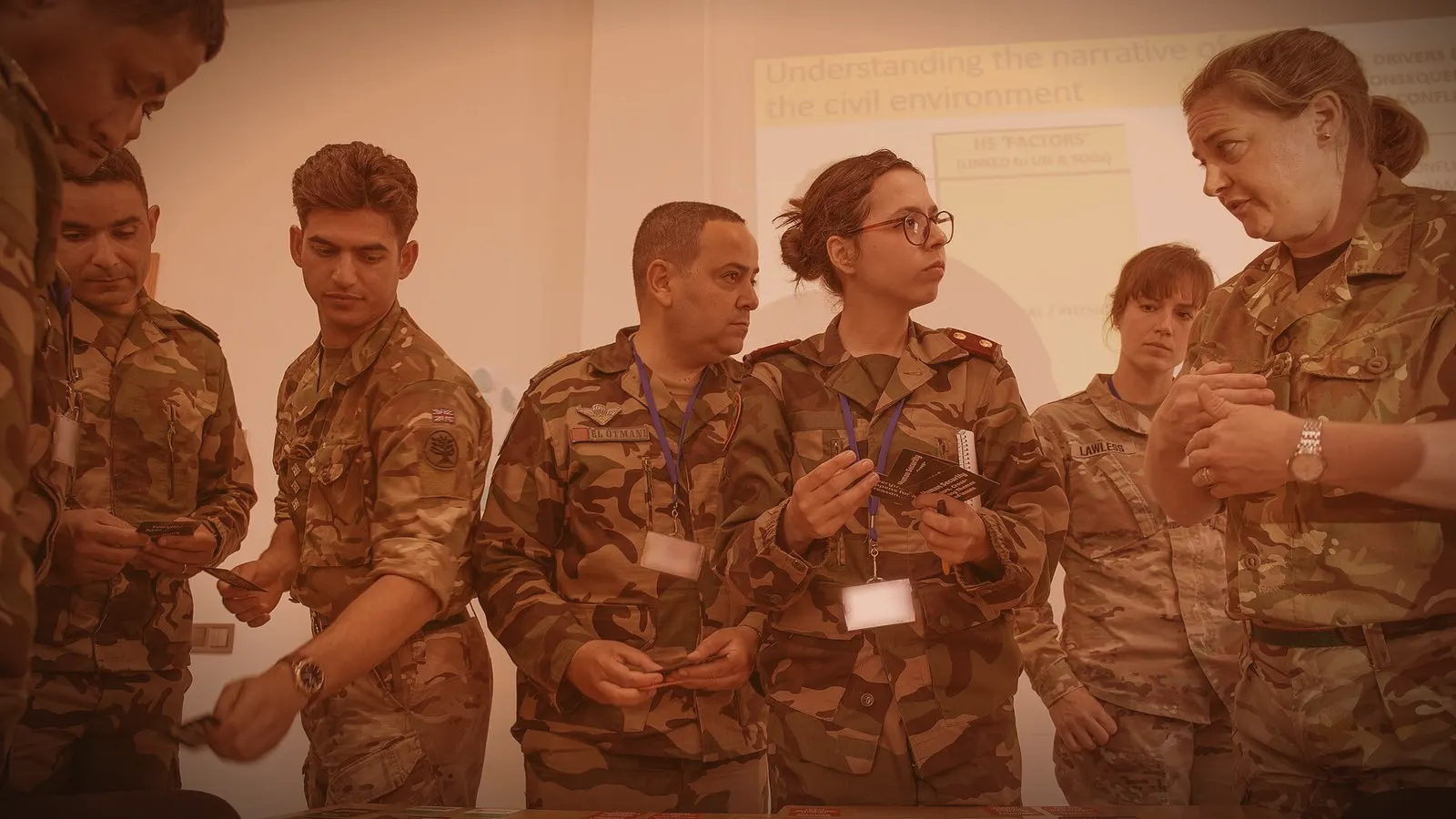
From October 5 to 8, 2026, Uganda is hosting the first African conference dedicated to "military operations other than war" at the Speke Resort Munyonyo in Kampala. The meeting is organized by the Ugandan Ministry of Defence and Veteran Affairs and the Uganda People's Defence Forces (UPDF), according to the Uganda Broadcasting Corporation.
The conference is chaired by General Muhoozi Kainerugaba, Chief of Defence Forces of the Ugandan military, according to the UPDF, which announced the presence of defense chiefs from fourteen African countries. The UBC, for its part, lists at least fifteen countries represented: Uganda, Kenya, Tanzania, Rwanda, South Africa, Ethiopia, Egypt, Ghana, Somalia, South Sudan, Zimbabwe, Malawi, Mali, Djibouti, and Comoros. Also in attendance are the African Union, the East African Community, the Eastern Africa Standby Force, IGAD, the North African Regional Capability, and ECOWAS.
What armies do when they are not at war
The theme may seem technical; in reality, it describes the core of the daily activity of many armies on the continent. The agenda includes transnational threats, cybersecurity, artificial intelligence, unmanned aerial systems, peace support operations, gender parity, climate change, disaster management, maritime and border security, protection of critical infrastructure, and legal accountability.
Commanders of peacekeeping missions are participating in the proceedings, including those engaged in Somalia, in the Democratic Republic of Congo with MONUSCO, and in Abyei with UNISFA, again according to the UBC.
An African doctrine to be written
The UPDF summarizes the ambition in one phrase: a "pan-African, African-led, preventive, and cooperative" approach that places human security at the forefront. Kampala says it is aiming for a regional framework driven by the African Union, covering common principles, rules of engagement, intelligence sharing, and accountability.
The significance of this meeting lies in the fact that it brings together African institutions to rethink a doctrine conceived elsewhere. The expression "military operations other than war" comes from American military vocabulary; yet the realities that African armies face—floods and droughts that displace populations, epidemics, piracy in the Gulf of Guinea, cross-border trafficking, and cheap drones—cannot be reduced to imported manuals.
The simultaneous presence of the African Union, ECOWAS, IGAD, and the East African Community also signals an effort to coordinate regional security architectures that were built separately and sometimes communicate poorly.
This rise in the civil role of armies raises a question that the conference will have to address: the more an army intervenes in disaster management, health, or infrastructure, the more the line between military mission and civil administration blurs. The inclusion of legal accountability on the agenda suggests that the organizers are aware of this. The conclusions of the proceedings are expected at the end of the meeting on October 8, 2026.
This article was written in French with the help of artificial intelligence from the sources cited below, then translated from French automatically. Read the original.