Kenya: 17 dead in Salama accident, 2,150 killed on roads in the first half of 2026
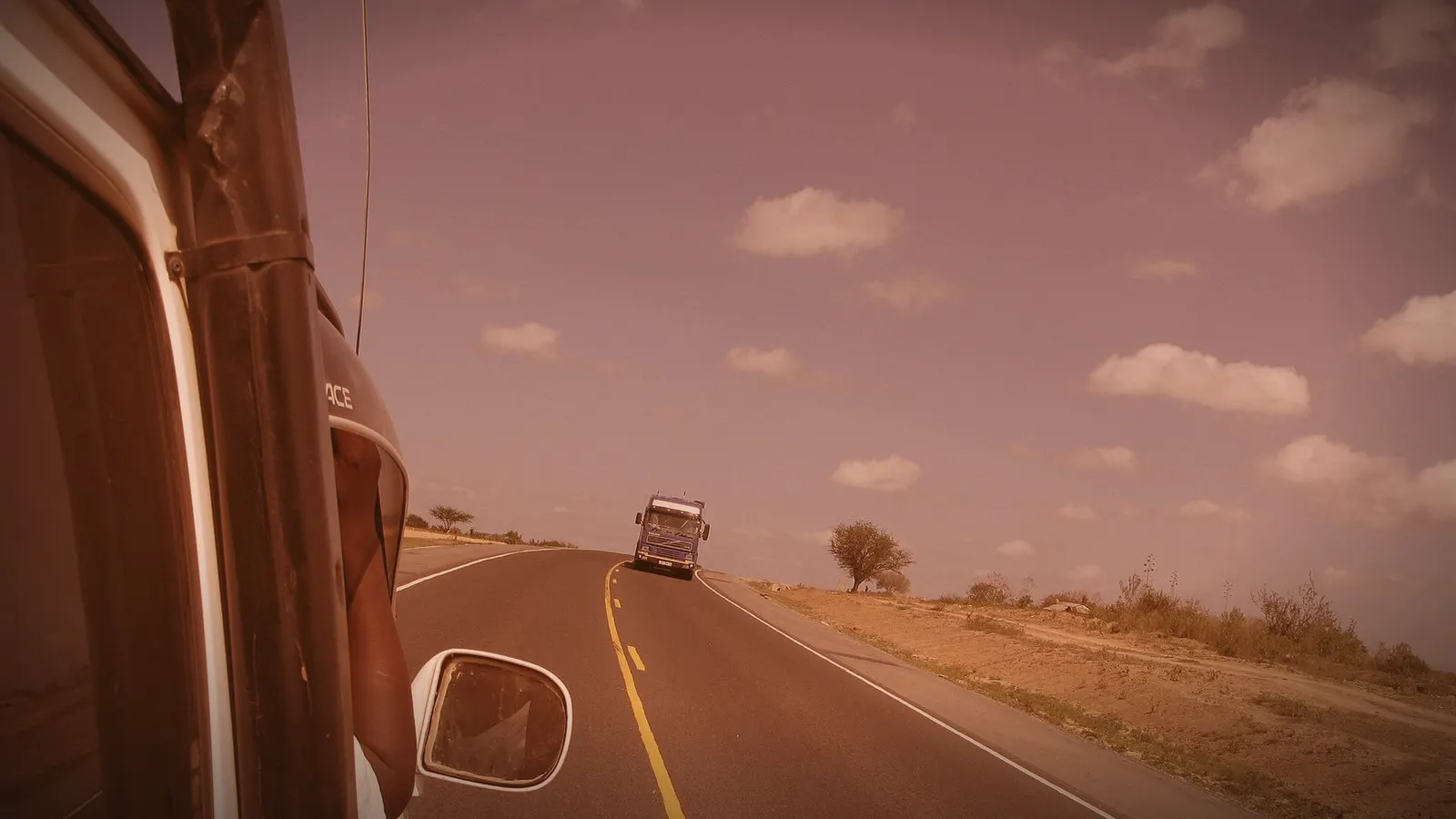
At least 17 people were killed in a road accident that occurred on October 3, 2026, in Salama, about a hundred kilometers southeast of Nairobi, on the major highway connecting the Kenyan capital to the port of Mombasa. The victims were mostly Catholic pilgrims traveling to a prayer site in Nakuru County, according to Al Jazeera and Africanews.
According to both media outlets, the collision occurred when a truck driver attempted to overtake. A fourteen-seater minibus carrying the pilgrims was involved, along with one or two trucks. The counts differ slightly: Al Jazeera reports the minibus driver and sixteen passengers, mostly women; Africanews reports fourteen pilgrims and the minibus driver, in addition to three people who were in a truck.
A "black spot" already known to authorities
The National Transport and Safety Authority (NTSA) confirmed that this stretch is a long-identified black spot. In other words, the danger was documented before the tragedy. Martin Kivuva, Archbishop of the Catholic Archdiocese of Mombasa, expressed his grief, and President William Ruto offered his condolences. "We have witnessed a quite tragic accident," said Justus Mwanzia, a member of a county assembly, as quoted by Africanews.
More than 5,000 deaths per year
The toll goes far beyond this specific incident. According to NTSA figures reported by Al Jazeera, 5,009 people lost their lives on Kenyan roads in 2025, and 2,150 during the first six months of 2026. At this rate, road accidents in Kenya kill more people than several infectious diseases closely monitored by health authorities.
The causes are known to both road users and engineers: single lanes saturated with trucks on port corridors, high-risk overtaking, lack of central dividers, insufficient lighting, inconsistent technical inspections of public transport vehicles, and a network designed for the export of goods rather than the transport of people.
An underfunded continental emergency
Africa has the highest road mortality rate in the world relative to the number of vehicles, while road safety budgets remain marginal compared to construction spending. Yet, life-saving measures have been identified: separating traffic flows on high-traffic corridors, systematic improvement of identified black spots, real oversight of minibuses, and rumble strips on center lines.
The essential point remains: the NTSA had classified this stretch as high-risk. The question posed by the families in Salama is not whether the danger was known, but why it had not yet been addressed.
This article was written in French with the help of artificial intelligence from the sources cited below, then translated from French automatically. Read the original.