Kenya: Ruto seeks to exempt salaries up to 32,333 shillings per month from tax
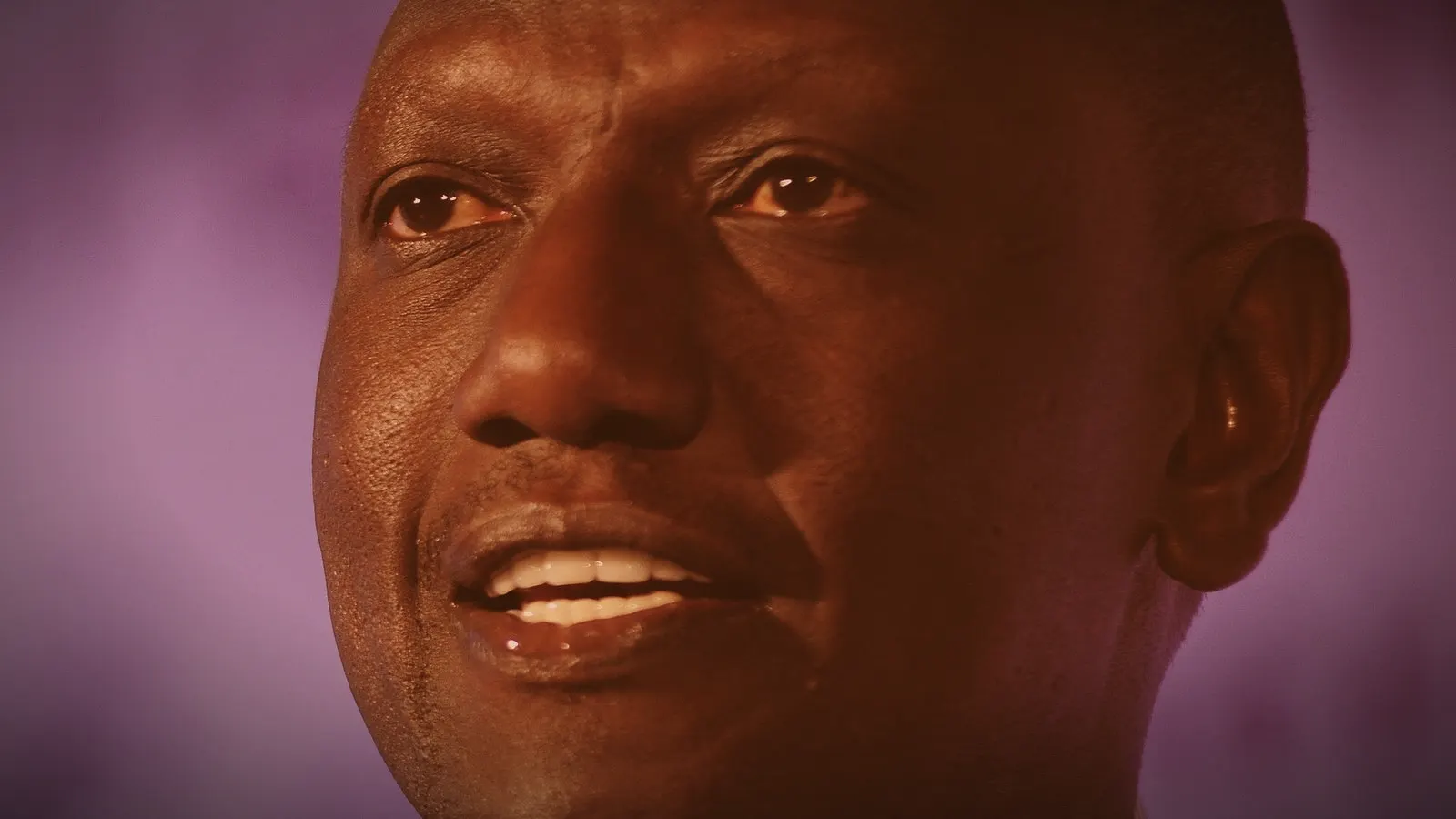
Kenyan President William Ruto announced four fiscal and social measures on October 20, 2026, during Mashujaa Day celebrations at the Kipchoge Keino Stadium in Eldoret, including the exemption of Pay-As-You-Earn (PAYE) income tax for employees earning 32,333 shillings or less per month, according to Capital FM.
The other three measures include the exemption of stamp duty on land transactions of one million shillings or less, the removal of the 25% import duty on mobile phones, subject to regional legal and customs procedures, and the expansion of the national internship program to 50,000 additional young people starting in January 2027. The Treasury is expected to submit these proposals to Parliament within the following week.
"A mandate, not a blank check"
The head of state placed these announcements in the context of protests, led primarily by young people, against the cost of living, taxation, and unemployment. An electoral mandate "does not silence the people between two elections," he declared, before adding: "They gave us a mandate, not a blank check." Kenyans, he said, have demanded "results, not excuses."
Phones, land, and the first job
The 25% import tax on phones affects the very device through which mobile payments, savings, and credit are conducted in Kenya. The stamp duty exemption on small land transactions targets modest buyers, for whom ancillary costs weigh as heavily as the price of the land itself.
The internship program is aimed at graduates from universities and technical and vocational education and training (TVET) institutes. Candidates will receive a monthly stipend via a system described as "transparent, digital, and merit-based," and private employers will be incentivized to offer genuine experience. The goal is to break the cycle where a graduate cannot find a job due to a lack of experience.
Announcements put to the test by Parliament
These relief measures come after a period of price tension. In mid-October 2026, the energy regulator raised fuel prices by approximately 6% for petrol and 4.5% for diesel: the country imports almost all of its fuel from the Middle East, where attacks on energy infrastructure have reduced production, reports Africanews. The government has extended the reduction of VAT on fuel from 16% to 8% until January 14.
None of the measures announced in Eldoret are currently in effect: the PAYE exemption requires a vote by members of parliament, and neither the timeline nor the funding for the resulting revenue shortfall has been specified.
This article was written in French with the help of artificial intelligence from the sources cited below, then translated from French automatically. Read the original.
Sources
- Capital FM / allAfrica — Ruto Proposes PAYE Exemption for Workers Earning Up to Ksh32,333
- Capital FM / allAfrica — Ruto to Expand Internship Programme By 50,000 Places From January 2027
- Capital FM / allAfrica — Ruto Says Electoral Mandate Is Not a Blank Cheque
- Africanews — Kenya hikes fuel prices amid higher import costs linked to Middle East conflict