Libya: Aguila Saleh removed from the presidency of the Eastern Parliament after twelve years
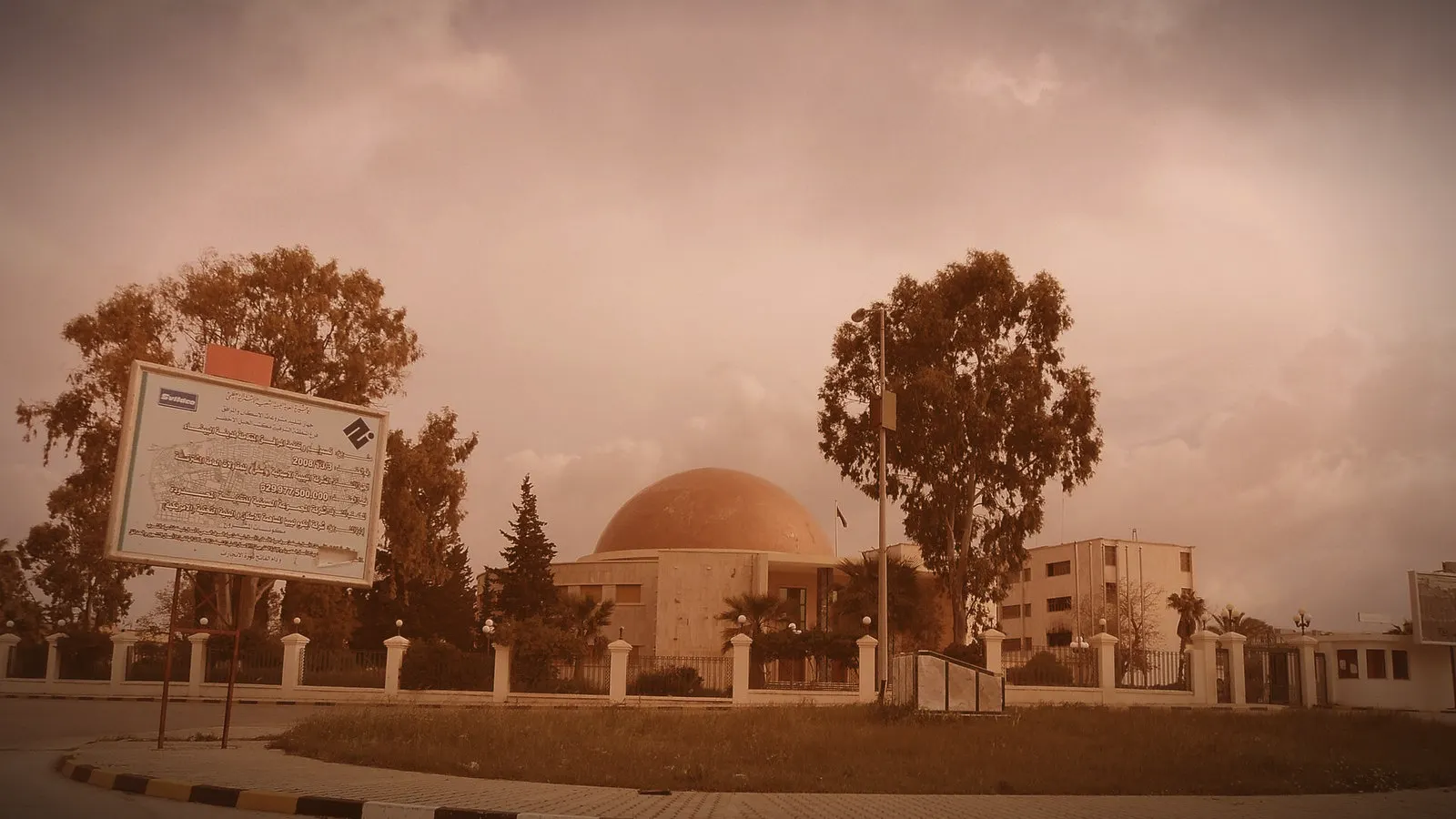
The Libyan Parliament based in the east of the country dismissed its speaker Aguila Saleh on October 6, 2026, ending nearly twelve years at the head of the institution, reports Africanews. He is replaced by Al-Salhin Abdulnabi al-Obeidi, an engineer and member of parliament for the city of Tobruk.
Aguila Saleh had presided over the House of Representatives since 2014. His name had become inseparable from the Libyan institutional fracture: on one side the United Nations-recognized government of national unity in Tripoli, and on the other the rival administration in the East, backed by the forces of General Khalifa Haftar, of whom Saleh was a political supporter.
A term now limited to twelve months
The dismissal is the culmination of a standoff over the assembly's internal rules. According to Africanews, 98 deputies had previously approved a reform limiting the term of the Speaker of Parliament to twelve months—a measure that directly targeted a man who had been in office for more than a decade. Aguila Saleh had contested this vote, deeming it "neither official nor legally binding." His opponents pursued the procedure to the end.
This shift comes as the sons of Khalifa Haftar are consolidating their positions within the security and economic apparatus of eastern Libya. The departure of a long-established civilian figure raises questions about the balance between the political and military spheres in this part of the country.
What this changes for the transition
The House of Representatives is not an ordinary assembly: elected in 2014 and never renewed since, it holds a decisive share of validation power over Libya's electoral roadmap. It is the body that, along with the High Council of State in Tripoli, blocks or unblocks the adoption of a constitutional framework for national elections. Libyans have been waiting for presidential and legislative polls since the postponement in December 2021.
Changing the Speaker of Parliament will not be enough to lead the country out of the impasse opened by the fall of Muammar Gaddafi in 2011. However, the arrival of an elected official from Tobruk to this position, and the limitation of the term to one year, introduce a rotation into a stagnant institution. It remains to be seen whether the new speaker will have any real room for maneuver against the military powers of the East, and whether the decision will be recognized by all deputies—previous attempts to remove Aguila Saleh had all failed.
This article was written in French with the help of artificial intelligence from the sources cited below, then translated from French automatically. Read the original.