Malawi: 19 Malawians arrested in Zambia with 5,400 liters of fuel as the country runs out of foreign currency for imports
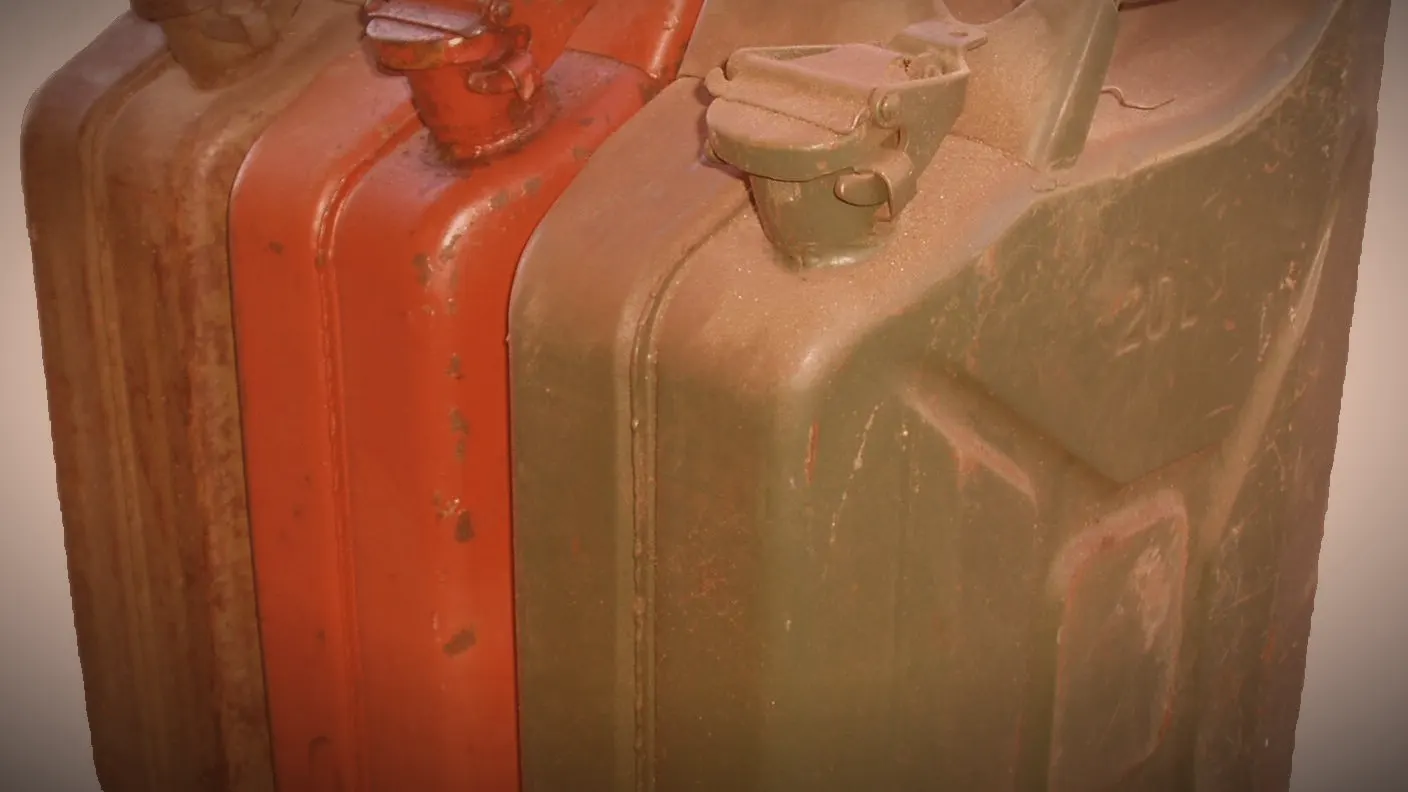
Police in Zambia's Eastern Province arrested 19 Malawian nationals accused of smuggling fuel into Malawi, the Malawian newspaper Nyasa Times reported on October 6, 2026. In Lundazi, 13 of them were intercepted with approximately 4,500 liters of fuel transported in plastic jerrycans inside several vehicles. In Chipata, six other Malawians and four Zambians were caught with 905 liters. In total, more than 5,400 liters were destined for Lilongwe, the capital. The operation was confirmed by provincial police commander Robertson Mweemba.
Behind these arrests are, first and foremost, long queues. Malawi is going through one of its worst fuel shortages in years, with chronic lines at gas stations across the country.
"Not low. Zero."
By early October 2026, diesel had been in short supply for about three weeks, and petrol had just joined the list, according to the Nyasa Times. Happy Jere, president of the fuel retailers' association, estimated that urban stations were receiving about 30% of their normal diesel supply, while rural stations were receiving nothing at all: "Not low. Zero." A liter of diesel, officially priced at 5,863 kwachas, was being resold on the roadside for between 10,000 and 15,000 kwachas, nearly three times the legal price. For petrol, the black market price reached as high as 20,000 kwachas per liter.
Francis Mkandawire, from the truck drivers' union, described trucks being immobilized for up to a week in queues. On some routes, travelers are now paying double what they paid just a few weeks ago.
A currency crisis, not a fuel crisis
The cause is not a scarcity of fuel on the global market, but a lack of dollars to pay for it. Happy Jere puts it bluntly: the queues will not decrease until the country has the necessary foreign currency. The national oil company is struggling to find new suppliers and alternative payment methods. Landlocked Malawi imports its products through Beira in Mozambique and Dar es Salaam in Tanzania.
The country consumes about one million liters of petrol and one million liters of diesel per day. The bill must be paid in foreign currency, which the Malawian economy does not earn enough of. Happy Jere advocates for developing cash crops and mining to generate this foreign exchange, and for the central bank to enforce currency controls. Former Escom electricity company CEO Kandi Padambo proposes a dedicated pipeline and increased rail transport.
The equation is the same for several economies on the continent: export raw materials, import refined products, and find yourself at the mercy of a foreign currency balance. In the meantime, it is Malawian citizens who are crossing the border with jerrycans.
This article was written in French with the help of artificial intelligence from the sources cited below, then translated from French automatically. Read the original.