Migration: Mohammed VI deems cooperation model 'at its limits' and rules out any blackmail
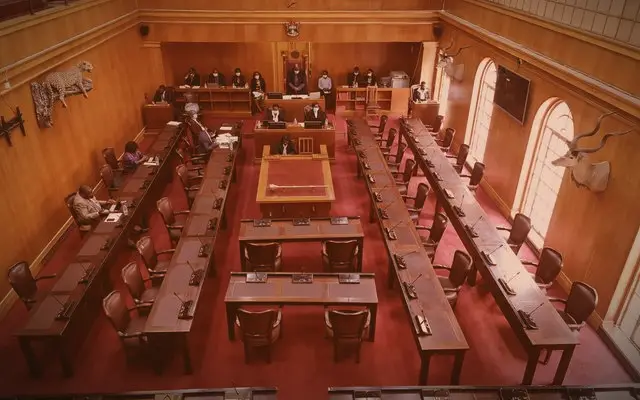
King Mohammed VI declared on October 9, 2026, before both houses of the Moroccan Parliament gathered for the opening of the twelfth legislature, that the current model of migration cooperation "has reached its limits," according to the text of the speech reported by the Moroccan magazine TelQuel. The sovereign linked this assessment to the "recurrent crises" that have occurred in recent years.
He applied the same analysis to Spain, a neighboring country and the kingdom's primary partner on this issue. The King referred to legal provisions he deems outdated and judicial decisions he considers detached from reality, the effect of which is to hinder the repatriation of minors and individuals usurping refugee status.
The Moroccan head of state presented the migration partnership as "a sovereign choice and a voluntary commitment," while ruling out any pressure or blackmail. Rabat will submit to its partners a document setting out a strategic vision it wants to be "clear and practical," articulated around co-development, economic competitiveness, and regional stability.
In the wake of the Sebta tensions
This speech comes after a tense diplomatic sequence. On September 10, 2026, the Moroccan Ministry of Foreign Affairs had requested an in-depth examination of the events that occurred in Sebta, in order to identify interference and prevent its repetition. On September 24, in New York, Minister Nasser Bourita had affirmed that the failure to take back migrants and minors was exclusively the responsibility of Spain, TelQuel recalls.
The issue goes beyond the Moroccan case alone. For years, African states bordering the Mediterranean have been solicited by the European Union to contain departures for which they are often not the source, in exchange for financial packages and trade agreements. An African head of state who publicly demands reciprocity and refuses the language of conditionality shifts the balance of power in this negotiation.
Sovereignties, youth, and the power of the regions
The royal speech set other priorities for the new legislature, which emerged from the elections of September 23, 2026. The King called for a new generation of strategies covering water, energy, and food security, industrial emergence, the digital economy, and artificial intelligence, while requesting "greater speed" in the establishment of strategic reserves.
Regarding youth, he demanded an integrated vision ranging from education to qualification and then to economic integration, with equal opportunity as a guiding principle. The private sector is invited to invest, export, and create more jobs. Finally, the sovereign demanded that "no delay or procrastination" remain in the implementation of the Charter of Deconcentration, which provides for the transfer of powers and human and financial resources from the center to the regions and provinces.
It remains to be seen what the gap will be between the announcement and the execution. The strategic document promised to partners has not yet been published, and no timeline has been made public for the deconcentration.
This article was written in French with the help of artificial intelligence from the sources cited below, then translated from French automatically. Read the original.