"MKO": Thirteen years of work for a documentary on Moshood Abiola, screened in Lagos
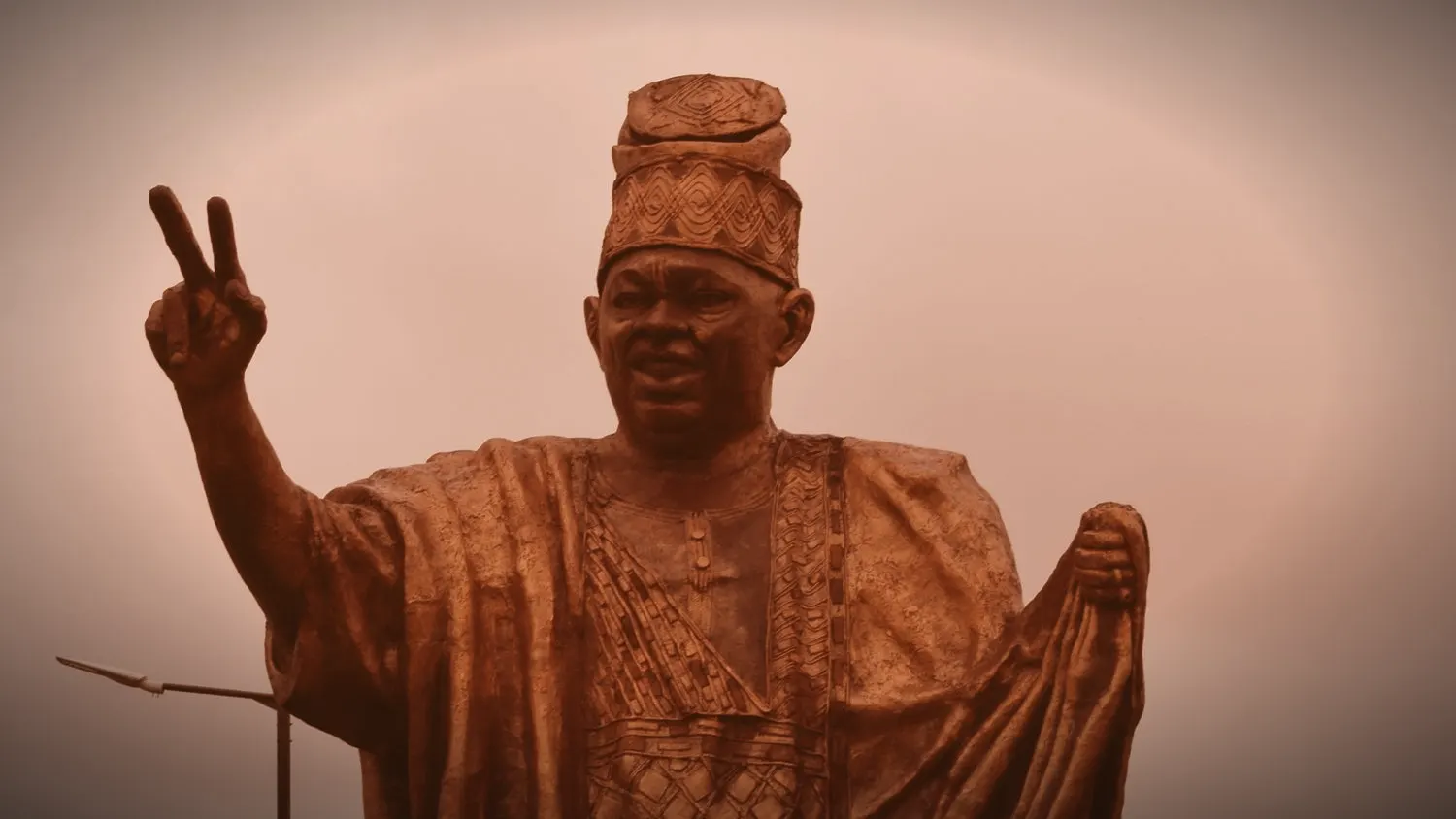
"MKO," a 108-minute documentary dedicated to Moshood Kashimawo Olawale Abiola, was screened on October 1, 2026, at the Wole Soyinka Centre for Culture and Creative Arts in Iganmu (Lagos), on the day of Nigeria's 66th independence anniversary. The film was released in Nigerian cinemas the following day, reports Channels Television.
Its director, Nigerian-American Ose Oyamendan, worked on it for thirteen years with a production budget exceeding one million dollars, according to the website Eelive. The documentary had its world premiere at the Sheffield International Documentary Festival on June 12, 2026—a highly symbolic date.
June 12, 1993, a confiscated victory
On June 12, 1993, Moshood Abiola, a businessman, media mogul, and presidential candidate, won the Nigerian election. The military regime annulled it. A long standoff for democracy then began: Abiola was imprisoned and died in detention on July 7, 1998.
The film traces this trajectory using archives and interviews with key figures of the era: former military president Ibrahim Babangida, Abdulsalami Abubakar, Olusegun Obasanjo, Humphrey Nwosu, Baba Gana Kingibe, writer Wole Soyinka, and former American envoy Thomas Pickering, according to Premium Times and Eelive.
A filmed memory, and a very official screening
The screening was held in the presence of President Bola Tinubu and his wife Oluremi, Senate President Godswill Akpabio, Lagos Governor Babajide Sanwo-Olu, Ogun Governor Dapo Abiodun, Chief of Staff Femi Gbajabiamila, and former governor Segun Osoba. Tinubu, himself involved in the pro-democracy movement of the 1990s, was the main host.
Ose Oyamendan says he wanted to "preserve the history" of Abiola and the 1993 election, according to Channels Television. He also asserts that Tinubu had "risked his life" and the safety of his family by supporting the popular mandate, according to Premium Times—a tribute which, delivered before the sitting head of state, places the film at the intersection of memory and the political narrative of the present.
The continent's recent history is still too often told through foreign archives and productions. An African film of this scale, fueled by interviews with those who made the decisions, adds evidence to the record and allows Nigerians to confront the versions themselves. The director's turning point was actually a question from his 9-year-old son, asking why he was filming the history of other countries rather than his own, recounts Eelive.
It remains to be seen whether "MKO" will find its audience, in Nigeria as well as abroad. Thirty-three years later, the debate over what happened in June 1993 is not closed.
It remains to be seen whether "MKO" will find its audience in theaters and beyond: the memory of June 12 has become an official date in Nigeria, but the debate over what happened in 1993 is not closed.
This article was written in French with the help of artificial intelligence from the sources cited below, then translated from French automatically. Read the original.