Morocco: 400 Senegalese registered for voluntary return, ten buses from Argoub and Bir-Gandouz
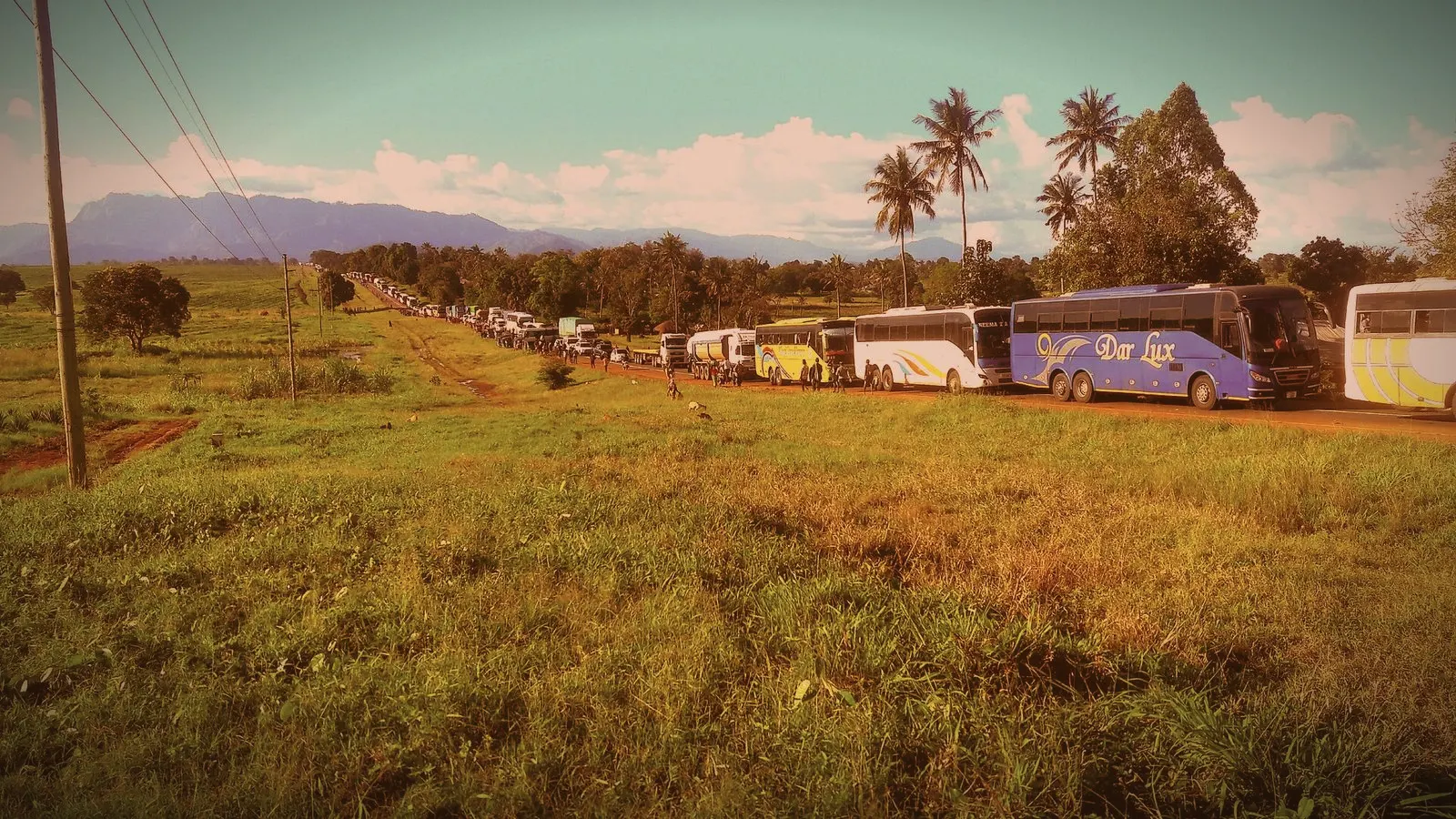
At least 400 Senegalese staying in migrant reception centers in Argoub and Bir-Gandouz, in southern Morocco, are returning home as part of a voluntary repatriation operation launched on Friday, October 30, 2026. The information was provided to the Senegalese News Agency (APS) by a Senegalese consular source, who specified that "400 people have registered on the lists."
Ten buses, four departures spread over two weeks
The system relies on ten forty-seat buses, deployed based on a schedule planned with Moroccan authorities, according to the APS. A first convoy of three buses was scheduled to leave Morocco on October 30, followed by new departures on Tuesday, November 3, and Thursday, November 5, 2026. Another operation is being prepared for the second week of November.
These returns come after a series of interceptions at sea. Between October 19 and 25, 2026, the Royal Moroccan Navy intercepted three pirogues carrying at least 500 passengers in the kingdom's territorial waters, including about 300 Senegalese, according to the same source cited by the APS. Among the prospective migrants, who set off from the Senegalese and Gambian coasts, were many women and children, including babies.
Eight hundred people in overcrowded centers
The large number of arrivals is creating reception difficulties in the centers of southern Morocco: 800 people have been recorded there in recent days, originating mainly from Senegal, The Gambia, Mali, and Guinea, indicates a diplomatic source cited by the Senegalese agency. This made the organization of the convoys urgent.
An Atlantic route moving south
The 204 people were taken to reception centers in Nouadhibou for medical follow-up and administrative formalities, ahead of a return to their home country, with the exception of those who left theirs for safety reasons, according to migrant aid NGOs cited by RFI.
The strengthening of Mauritanian maritime surveillance has had a measurable effect: departures are now taking place further south, making the crossing to the Canaries, the "gateway to Europe," even more perilous, notes RFI, which reported a total of 144 dead or missing on this migratory route in July 2026.
The strengthening of Mauritanian maritime surveillance has had a measurable effect: departures are now taking place further south, making the crossing longer and harder to the Canaries, this "gateway to Europe" whose access carries an increasingly heavy toll. RFI reported a total of 144 dead or missing on this migratory route in July 2026. The buses heading back up to Dakar are therefore bringing back people who, for the most part, had set off for a second or third time.
This article was written in French with the help of artificial intelligence from the sources cited below, then translated from French automatically. Read the original.