Morocco: Amnesty implicates the DGST, 22 journalists among the identified Pegasus targets
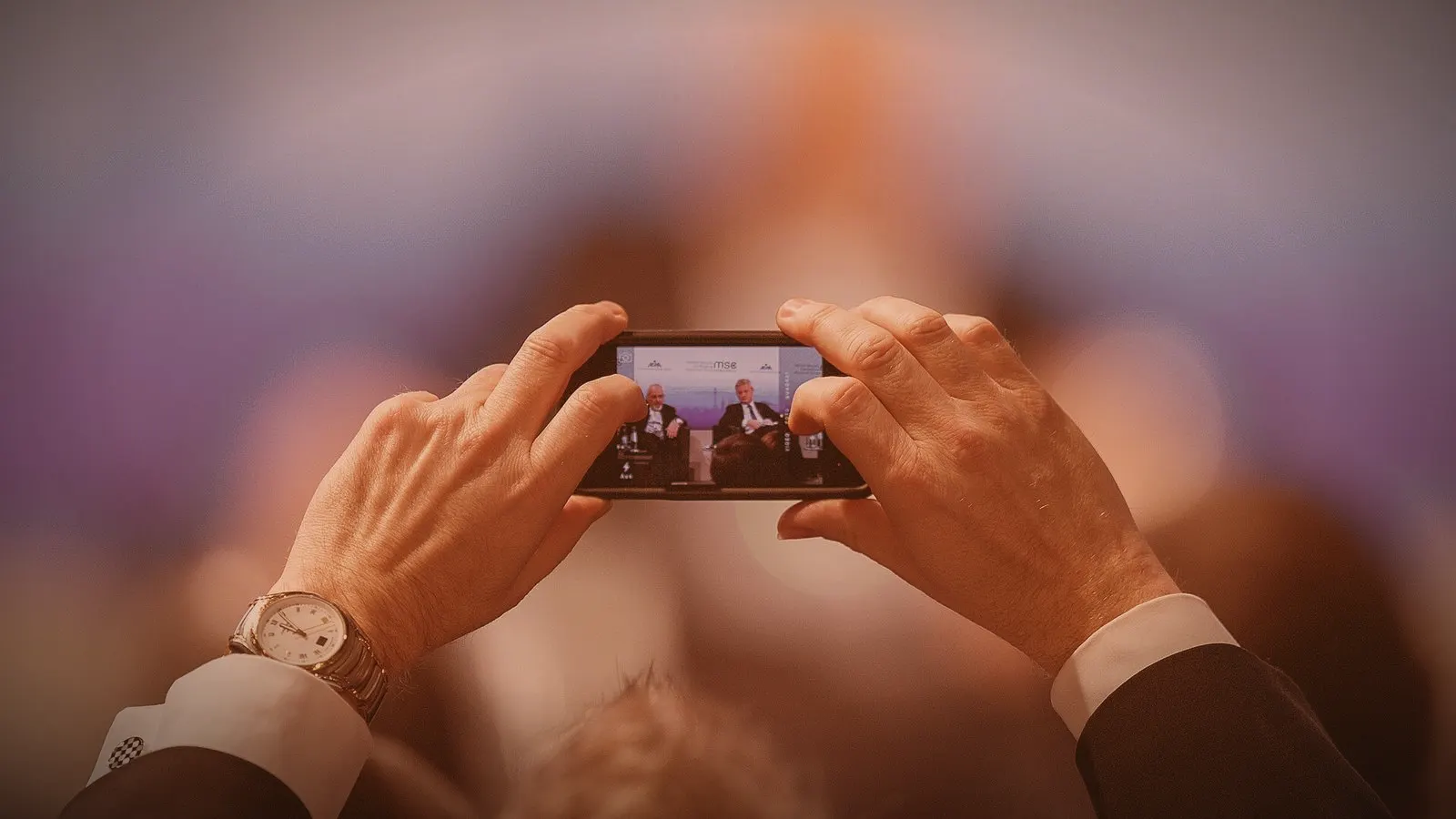
Moroccan journalists publicly described years of stalking and phone espionage in an account published on October 6, 2026, by Al Jazeera, five days after the release of an Amnesty International report implicating the General Directorate for Territorial Surveillance (DGST). The document, titled "We start with the verdict," was published on October 1, 2026, in collaboration with fourteen newsrooms and the Forbidden Stories network.
Who was targeted, according to Amnesty
The organization says it analyzed 103 Moroccan numbers appearing in leaked data between September and December 2017. Sixty-five belonged to civil society: 34 human rights defenders, 22 journalists and media professionals, 5 lawyers, and 4 academics. The rest are divided among 25 political officials or authorities, 5 diplomats, and 8 other profiles, notably from the business and religious worlds. Amnesty attributes the deployment of the Pegasus spyware, from the Israeli company NSO Group, to the DGST between 2017 and 2021, through both physical compromise of devices and so-called "zero-click" attacks.
The account of a former agent
The investigation relies on the testimony of a former DGST employee, referred to by the pseudonym "Safir," as well as technical analyses and interviews with ten people who claim to have been targeted. According to this account, digital surveillance was accompanied by very physical means: secret video recording in homes, offices, and cars, pre-infected phones sold through complicit shops, neighbors recruited as informants, and remote control devices in cybercafes.
Among the documented cases are journalist Omar Radi, now in Germany, activist Fouad Abdelmoumni, human rights lawyer Abdessadak El Bouchattaoui, and exiled journalist Hicham Mansouri. Journalist Taoufik Bouachrine describes, for his part, being stifled by fabricated accusations and the cutting of advertising revenue.
Rabat demands evidence
Moroccan authorities have rejected Amnesty's accusations and demanded material evidence, reports Al Jazeera, which indicates it received no response to its requests for comment. Amnesty claims to have written to the authorities four weeks before publication without receiving a response. Morocco has repeatedly denied, since the 2021 Pegasus affair, using spyware against journalists.
These facts have not, at this stage, been established by any court, and the individuals accused are entitled to the presumption of innocence. But the issue goes beyond a single country: commercial surveillance sold to states affects several African capitals, and its primary victims there are often journalists and lawyers. Defending press freedom on the continent requires demanding accountability from both the providers of these tools and the African powers that purchase them.
This article was written in French with the help of artificial intelligence from the sources cited below, then translated from French automatically. Read the original.