"Ndjimu": The Congolese film about Mutoshi cobalt miners screened at the U.S. Congress
The Congolese documentary "Ndjimu," by director Petna Ndaliko Katondolo, was screened on Wednesday, October 14, 2026, at 3:00 p.m. Washington time, in room SVC 201 of the United States Congress. The session, which required registration and had limited seating, was organized by Friends of the Congo, Public Citizen, the General Board of Church and Society of the United Methodist Church, Earthworks, and Action for Congo, reports Radio Okapi.
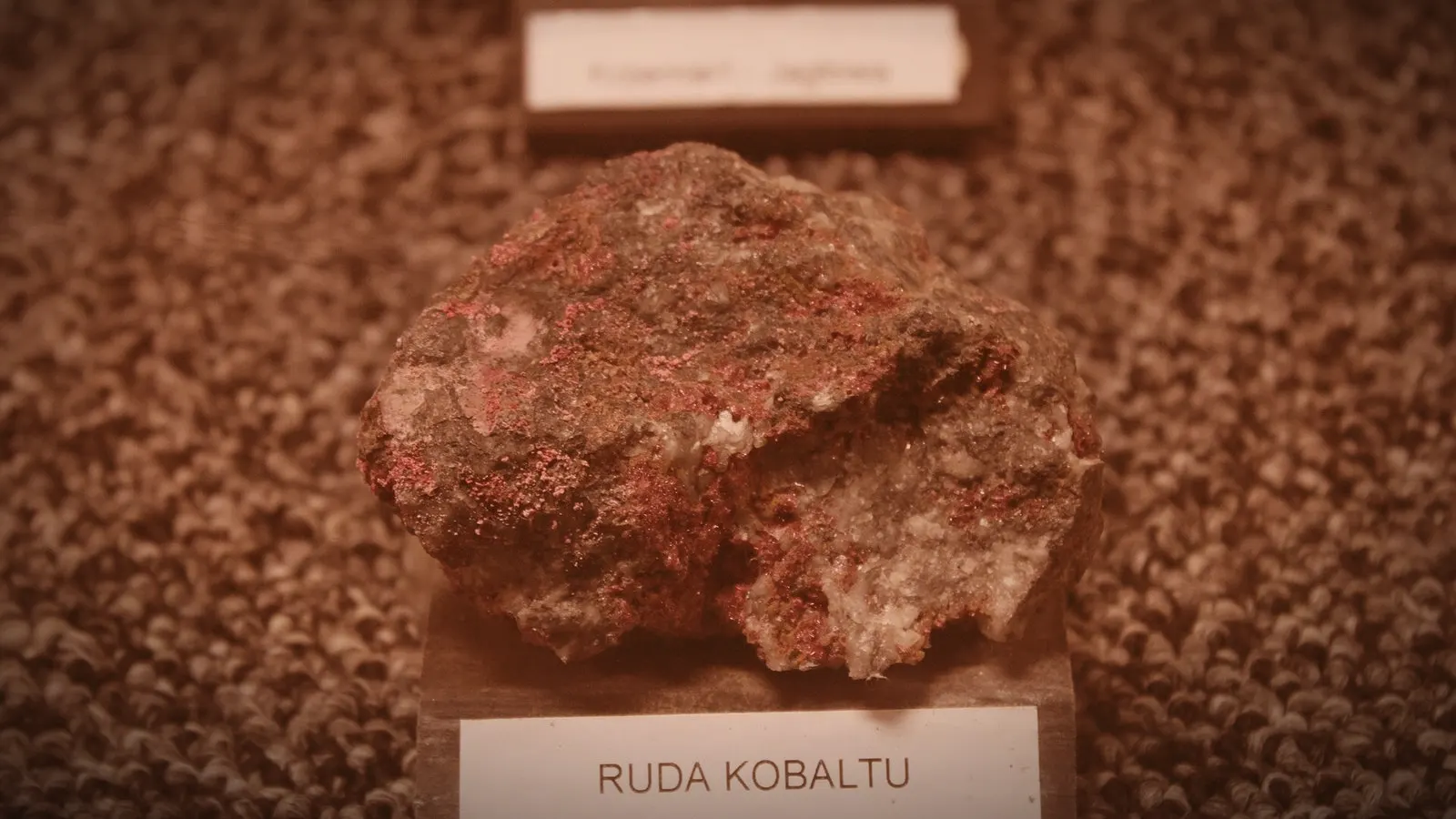
The film, a short of about thirty minutes, takes place at the Mutoshi mine in the former Katanga region, where hundreds of artisanal miners extract cobalt in conditions that Radio Okapi describes as "often difficult and dangerous." It also films the surrounding communities and ancestral lands affected by the mining, and gives a voice to those rarely heard in international debates on strategic mineral supply chains.
A filmmaker from Goma in the halls of the Capitol
Petna Ndaliko Katondolo is originally from Goma. Also an educator and advocate for ancestral ecology, he links social, cultural, and environmental issues in his work. "Ndjimu," produced by Alkebu Film Productions, had its world premiere at the International Film Festival Rotterdam in 2026, where it received the Ammodo Tiger Short Award. It also won the award for best documentary short film at the 2026 REGARD festival and was featured in the Doc Fortnight selection at the MoMA in New York.
Cobalt, and who talks about it
The screening aimed to foster reflection on the human consequences of mining and the impact of American involvement in the Democratic Republic of Congo on the populations of mining areas. Cobalt is essential for the energy transition and many modern technologies, Radio Okapi reminds us.
The location where this film was shown matters as much as the film itself. The rules governing the purchase of Congolese minerals, traceability clauses, and mining agreements are largely written in foreign capitals. Bringing the voices of Mutoshi into a congressional room, without intermediaries or outside commentary, shifts the narrative power dynamic: the miner is no longer a figure in a compliance report, but the author of their own testimony.
The question that cinema poses better than it solves remains: will the critical recognition of a Congolese film in Rotterdam, New York, and then Washington change anything for the inhabitants of the former Katanga? "Ndjimu" does not provide a numerical answer. It establishes a requirement: that those most affected be heard before decisions are made for them.
This article was written in French with the help of artificial intelligence from the sources cited below, then translated from French automatically. Read the original.