Niger: Niamey accuses Chad and France of a drone strike that killed two civilians in Agadez
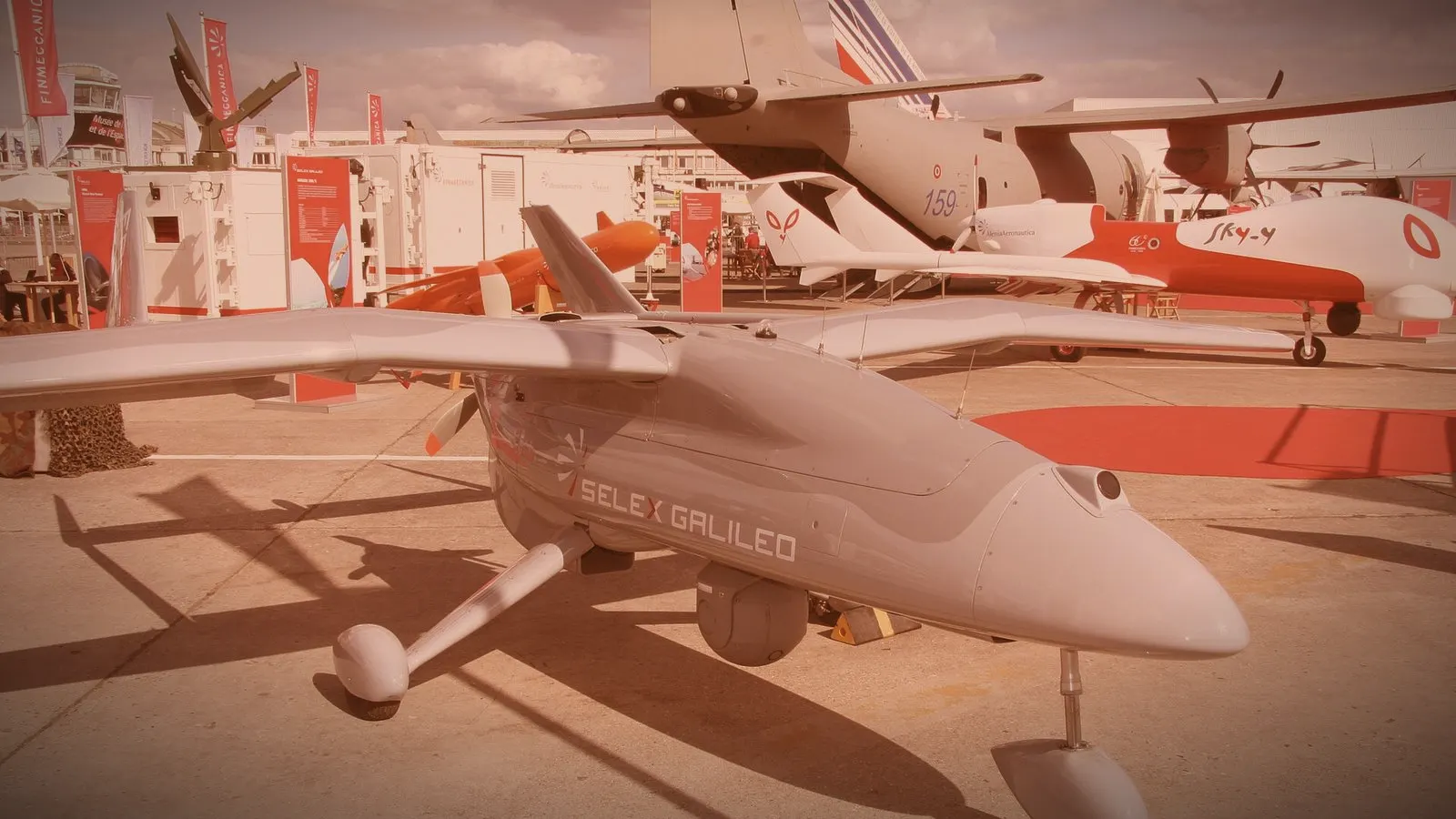
The government of Niger is accusing Chad, with logistical support from France, of carrying out a drone strike that killed two civilians on October 24, 2026, in Émiloulou, in the Agadez region in the north of the country. The accusation was made public in a statement read on national television on October 26, reports the Journal du Niger.
The strike reportedly occurred around one in the morning. In addition to the two deaths, several residents were injured and significant material damage was observed, according to the same media outlet. Niamey describes the operation as an "act of military aggression" and holds N'Djamena responsible for a violation of its sovereignty. The Nigerien military command claims to have collected evidence regarding the origin of the aircraft and French support, but the government has not made any of this evidence public at this stage.
Chad denies and demands evidence
On October 27, 2026, the Chadian government spokesperson, Gassim Chérif Mahamat, read a statement on national television rejecting any involvement. No operation of this kind was "ordered, conducted, or supported" from Chadian territory, the text asserts, as reported by La Nouvelle Tribune. N'Djamena is demanding material and technical evidence, states that it is in favor of an international investigation, and recalls having alerted Niamey several times to the presence of armed Chadian rebel groups in Nigerien territory. Both capitals say they are open to dialogue. No reaction from Paris has been reported by the sources consulted, and the origin of the drone has not been established to date.
The African Union and the UN notified
The Nigerien Ministry of Foreign Affairs has summoned the Chadian ambassador to Niamey for an official protest. Niger also announced that it is urgently referring the matter to the United Nations Security Council and the African Union Peace and Security Council, according to the Journal du Niger. It is demanding an end to incursions into its territory, full reparation for damages, and the opening of an independent international investigation under the aegis of the UN.
The dispute pits two Sahelian countries against each other that share a long desert border, where armed groups and traffickers operate. Nothing has been proven for the moment: on one side, official accusations without published evidence, and on the other, a formal denial and a request for an investigation.
The point to follow is this one. Both states say they accept an international investigation, and it is the African Union Peace and Security Council, an institution of the continent, that finds itself on the front line to arbitrate a dispute between two of its members. Its ability to establish the facts will say a lot about the real authority of African conflict resolution mechanisms.
This article was written in French with the help of artificial intelligence from the sources cited below, then translated from French automatically. Read the original.