Nigeria: $30 million from the BOI and AFD for music, film, and fashion
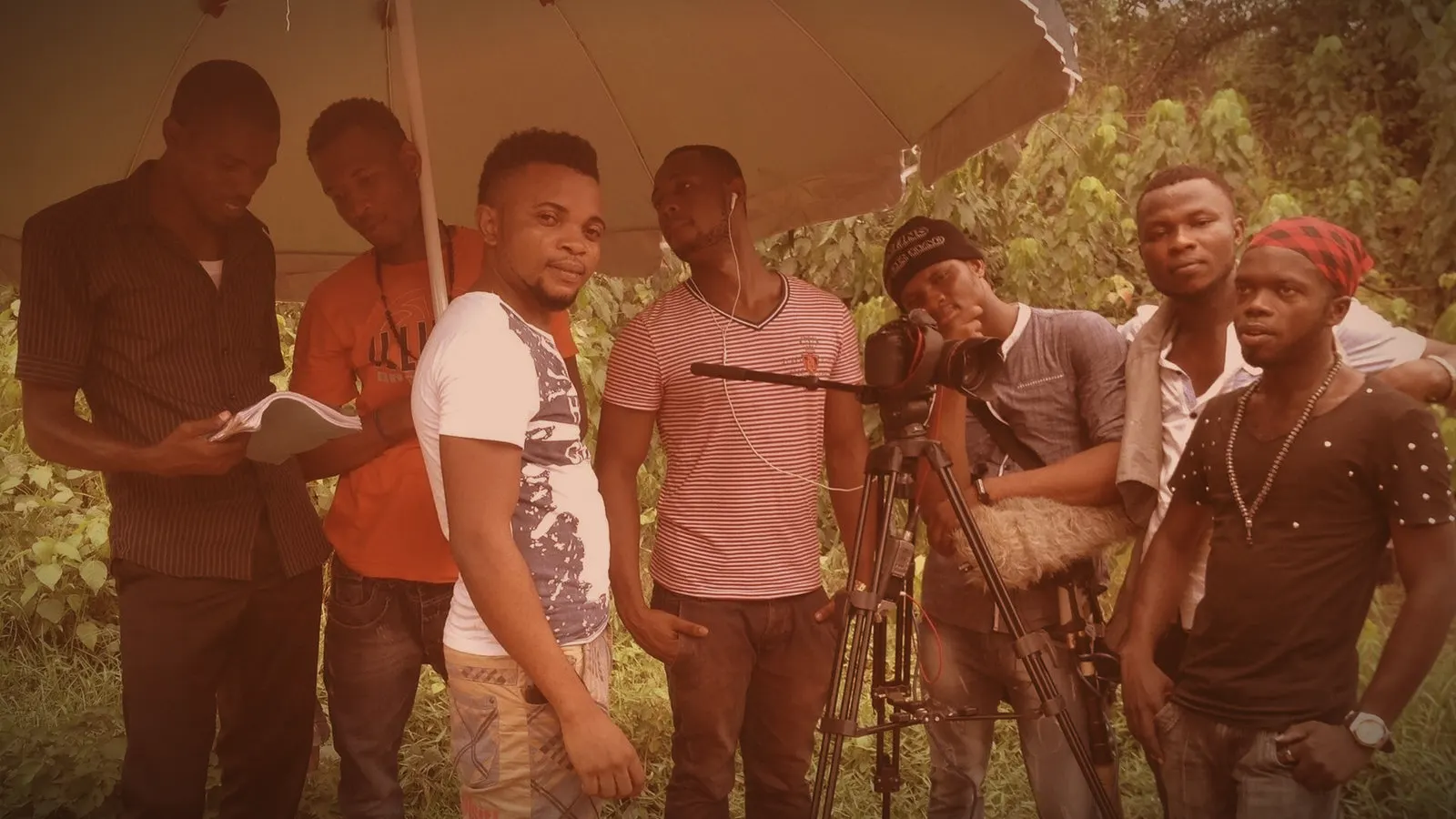
The Bank of Industry (BOI), Nigeria's public development bank, and the French Development Agency (AFD) have signed a $30 million credit line in Abuja aimed at Nigeria's creative and cultural industries. The agreement was signed by BOI Managing Director Olasupo Olusi and AFD Group CEO Christophe Lecourtier, according to a statement reported on October 28, 2026, by the Nigerian daily newspaper Daily Trust.
The announced scope is broad: music, film, fashion, design, and video games. This is precisely the sector that Nigeria exports most effectively, and the one where commercial banks lend the least. Olasupo Olusi presented access to affordable financing as the main constraint for the country's creators, and described the creative industries as the largest source of jobs for Nigerian youth, according to the Daily Trust.
Women and youth targeted as a priority
The BOI indicates that the credit line will prioritize businesses led by women and young people, as well as segments usually excluded from bank credit. Its Managing Director promises an "affordable" cost of financing and aligns the operation with President Bola Tinubu's economic agenda and his goal of a one-trillion-dollar economy.
On the French side, Christophe Lecourtier recalled that the BOI is the AFD's primary banking partner in Nigeria and its largest partner for non-sovereign loans. The first cooperation between the two institutions was a credit line of over 100 million euros dedicated to climate, as part of the Transforming Financial Systems for Climate program. He stated that Nigeria is likely the continent's leading country for cultural and creative industries, and noted that more and more French people are listening to Nigerian music and watching Nigerian films.
A loan, not a gift
It remains to be seen what $30 million will actually change on the ground. This is a credit line, meaning money that must be repaid, not a grant: the test will be whether a producer in Lagos or a fashion designer in Kano, without collateral to offer, can actually access it, or if the funds will stop at already established companies.
The stakes go beyond Nigeria. Afrobeats and Nollywood are sold all over the world, but the value chain—studios, rights, distribution, platforms—remains largely financed outside the continent. Every time an African bank puts its balance sheet behind a filmmaker or a label, a part of that chain remains in Africa. The two institutions are already discussing a future credit line, according to the Daily Trust.
This article was written in French with the help of artificial intelligence from the sources cited below, then translated from French automatically. Read the original.