Nigeria: 33.75 billion naira paid to the poorest, with no identifiable beneficiaries
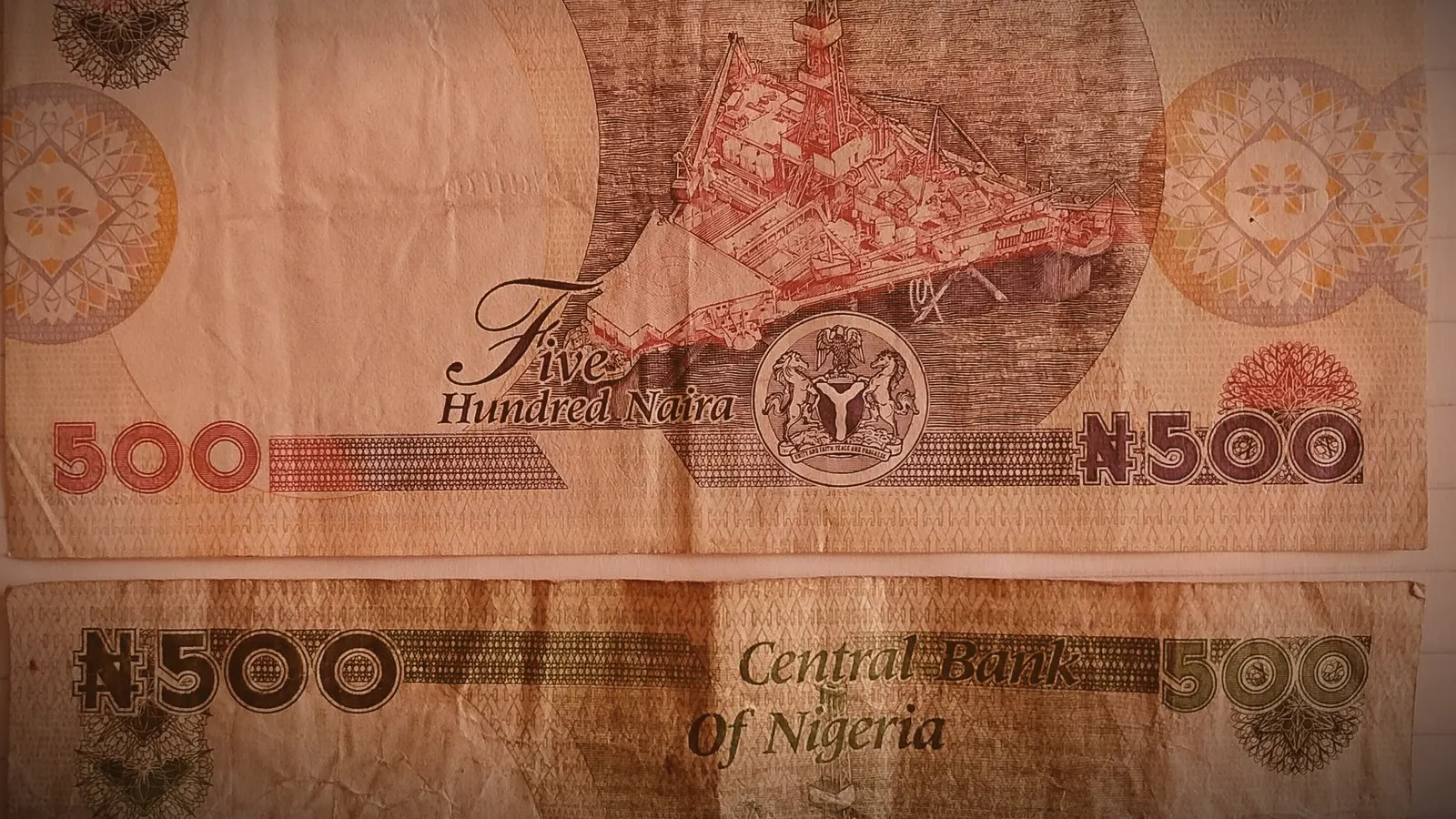
The Auditor General of the Federation of Nigeria, Shaakaa Chira, states that he was unable to determine who received 33.75 billion naira in social aid paid out in 2023 by the National Cash Transfer Office (NCTO). The agency claims to have distributed this sum via electronic transfer to 3,295,207 households and beneficiaries across 35 states. Auditors found no way to confirm this, according to work by the Centre for Journalism Innovation and Development (CJID), published as part of its UDEME project.
Incomplete documentation and a refused statement
The finding appears in the 2024 annual report of the Auditor General on lapses and internal control weaknesses in government departments, covering the fiscal year from January 1 to December 31, 2023. The payment schedules provided did not contain the full identities of the beneficiaries. Most importantly, NCTO accounting staff refused to grant auditors access to the Remita statement, the platform through which the transfers were processed, which is the only document capable of showing the actual recipients of the funds.
Unable to verify, the report highlights the risk of payments to "ineligible or fictitious" persons. This is an audit reservation, not an established case of embezzlement. The Auditor General recommends that the national manager of the program, Abdullahi Alhassan Imam, justify the use of the 33.75 billion naira, recover the funds, and return them to the Treasury, with supporting evidence presented before the parliamentary public accounts committees.
76 billion naira in unanswered questions
The issue extends beyond this single payment. The report raises eight concerns totaling 76.24 billion naira, to which the NCTO has not responded on any point: notably 36.74 billion paid without prior verification, 4.62 billion paid without payment schedules, and 280.42 million advanced to payment service providers without guarantees.
The NCTO manages the conditional cash transfer component of the National Social Safety Net Project. It falls under the National Social Investment Programme Agency, which is attached to the Federal Ministry of Humanitarian Affairs and Poverty Alleviation. In January 2024, President Bola Tinubu suspended the agency's CEO, Halima Shehu, over suspicions of financial misconduct and froze the structure's four programs for six weeks.
What this says about the Nigerian social safety net
The stakes are not merely accounting-related. These transfers are intended to reach the country's most destitute households. Aid that cannot be proven to have arrived is aid that the poorest have no guarantee of having received. Defending the rights of Africans also means requiring administrations on the continent to be accountable for money intended for the most vulnerable.
The Auditor General's recommendations are addressed to the Public Accounts Committees of Parliament, which have not yet released their findings.
This article was written in French with the help of artificial intelligence from the sources cited below, then translated from French automatically. Read the original.