Nigeria: Illegal fishing costs $450 million annually, says Minister Oyetola
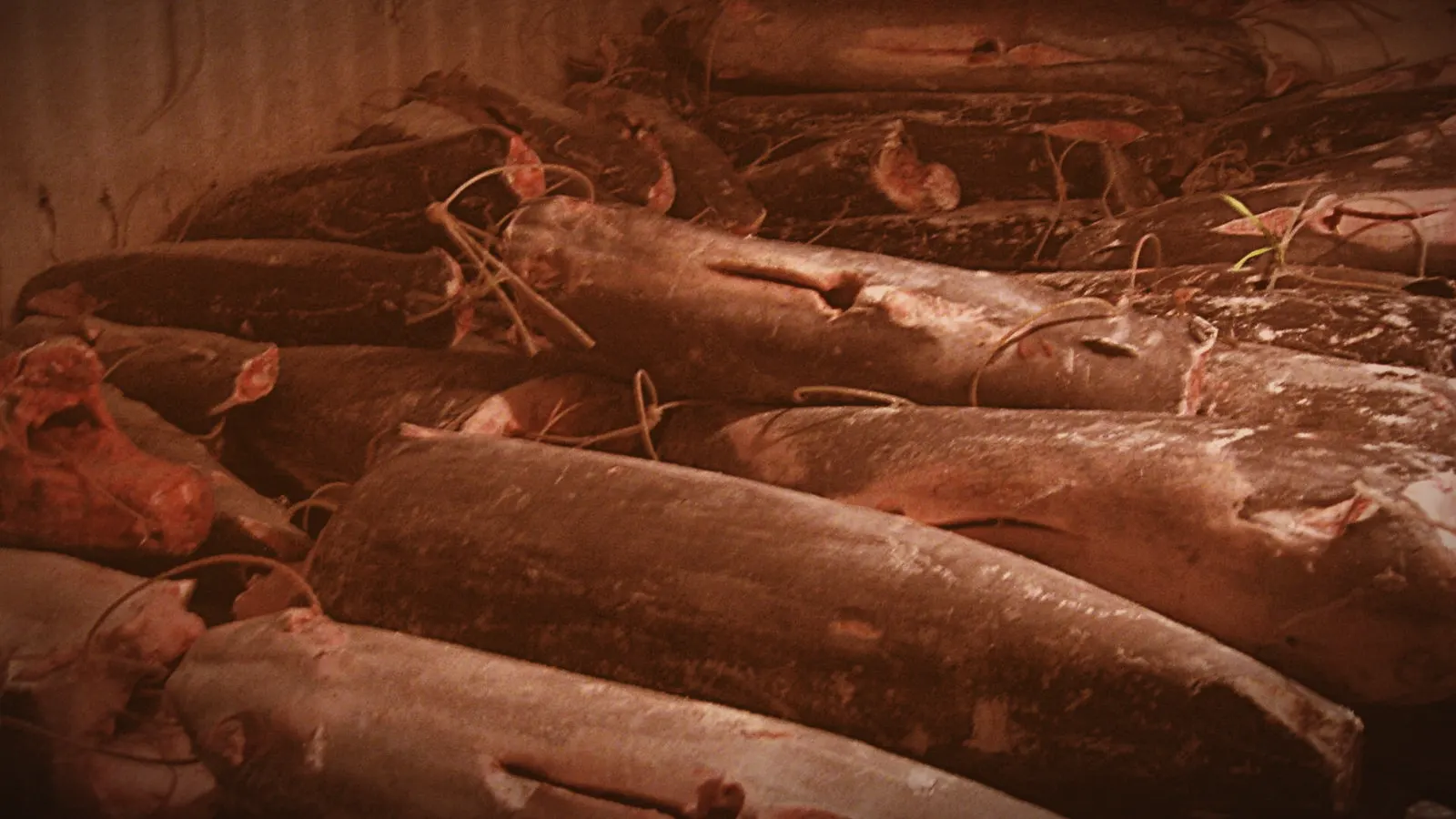
Nigeria loses approximately $450 million annually due to illegal, unreported, and unregulated fishing, the Minister of Marine and Blue Economy, Adegboyega Oyetola, stated on October 12, 2026, in Abuja, according to the Daily Trust newspaper. He was speaking while receiving Svein Baera, the Norwegian Ambassador to Nigeria, who had come to present the Blue Justice initiative.
Satellites against ghost trawlers
The Blue Justice program provides participating countries with free access to real-time and historical satellite vessel tracking data to detect suspicious trajectories and identify ships that evade surveillance. Nigeria is joining the network of countries known as the "Blue Community," which is presented as a tool for detecting illicit maritime activities and other crimes committed at sea.
Illegally caught, sold at a premium
According to the minister, foreign operators fish without authorization in Nigerian waters and then sell their catch on the domestic market at prices deemed excessive. "We cannot continue to allow foreign operators to illegally exploit our marine resources," he declared, assuring that the federal government is "determined to put an end to this practice."
Beyond the loss of tax revenue, illegal fishing weakens the entire Nigerian value chain: processing, storage, transport, and distribution, all of which are jobs and investments under threat, reports the Daily Trust. It also depletes the fish stocks upon which coastal communities depend for their livelihoods.
A battle underway for months
This is not Abuja's first move. In June 2026, Adegboyega Oyetola requested a grant of 59 million euros from the European Union via the West Africa Sustainable Ocean Programme while receiving EU Ambassador Gautier Mignot, according to the Nigerian investigative center ICIR. He then described illegal fishing as a direct threat to "national security, food sovereignty, and the survival of our coastal communities."
Producing fish rather than importing it
The ministry announced its intention to strengthen satellite surveillance and intelligence sharing, as well as to support local fish production to reduce dependence on imports, create jobs, and preserve the country's foreign exchange reserves.
The issue extends far beyond Nigeria. Throughout the Gulf of Guinea, foreign industrial fleets operate in poorly monitored waters, and African coastal states often depend on external partners to obtain the satellite imagery that would allow them to catch these vessels. Maritime sovereignty is also at stake here: in the ability to see what is happening off one's own coasts.
This article was written in French with the help of artificial intelligence from the sources cited below, then translated from French automatically. Read the original.