Nigeria: Inflation falls to 14.63% in September 2026, the fourth consecutive decline
The National Bureau of Statistics (NBS) of Nigeria released highly anticipated figures on October 15, 2026: annual inflation fell to 14.63% in September 2026, down from 15.39% in August. According to Nairametrics, this marks the fourth consecutive monthly decline of the year and a 6.35 percentage point gap compared to the 20.98% recorded in September 2025.
The food basket finally drops month-on-month
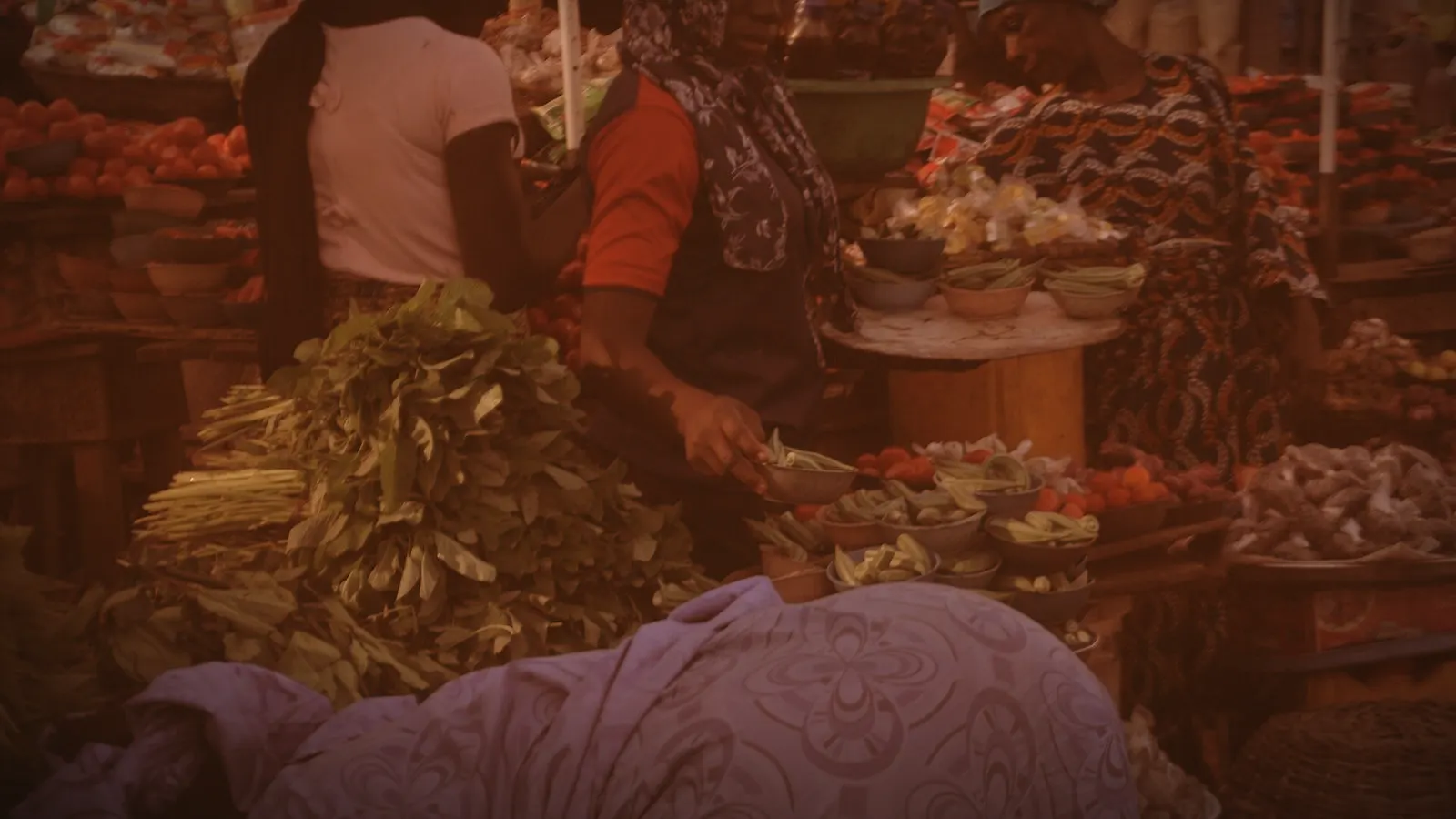
The most tangible signal for households comes from food. On a monthly basis, food prices fell by 1.55% in September, following a 1.02% increase in August. The NBS specifically cites rice, cereals, eggs, onions, palm oil, vegetables, potatoes, plantains, and tomatoes. On an annual basis, however, food inflation remains high at 19.59%, compared to 20.16% a year earlier.
The gap between urban and rural areas remains significant: 15.64% annual inflation in urban areas compared to 12.46% in rural areas. Core inflation, which excludes agricultural products and energy, fell from 22.11% to 12.95% over one year, but it accelerated by 1.11% in the month of September alone, following near-stability in August.
What the central bank has already done
Disinflation has allowed the Central Bank of Nigeria (CBN) to ease its monetary policy: in September 2026, its monetary policy committee lowered the benchmark interest rate by 350 basis points, from 26.5% to 23%, reports Agence Ecofin. Real GDP grew by 4.43% in the second quarter of 2026, up from 3.89% in the first, driven by agriculture, services, and the oil sector. The naira was trading at 1,333 naira to the dollar on the NFEM foreign exchange market on October 14, 2026, according to Nairametrics.
A slowdown is not a price drop
It must also be said what these figures do not state. An annual inflation rate of 14.63% means that prices are still rising, just more slowly: the bulk of the purchasing power shock experienced since 2023 remains, and it is not reversed by a declining statistic. The contributions to the index serve as a reminder: food and non-alcoholic beverages account for 5.85 points, restaurants and accommodation 1.89, transport 1.56, and housing and energy 1.23, according to Agence Ecofin.
For the largest economy in West Africa, the question for the coming months is therefore less statistical than political: will the easing of rates translate into credit that is truly accessible to small businesses, and into wages that catch up with prices? The next monthly publication from the NBS will indicate whether this trend is confirmed.
This article was written in French with the help of artificial intelligence from the sources cited below, then translated from French automatically. Read the original.