North Mara Gold: LBMA on trial in London for certifying contested Tanzanian gold as 'responsible'
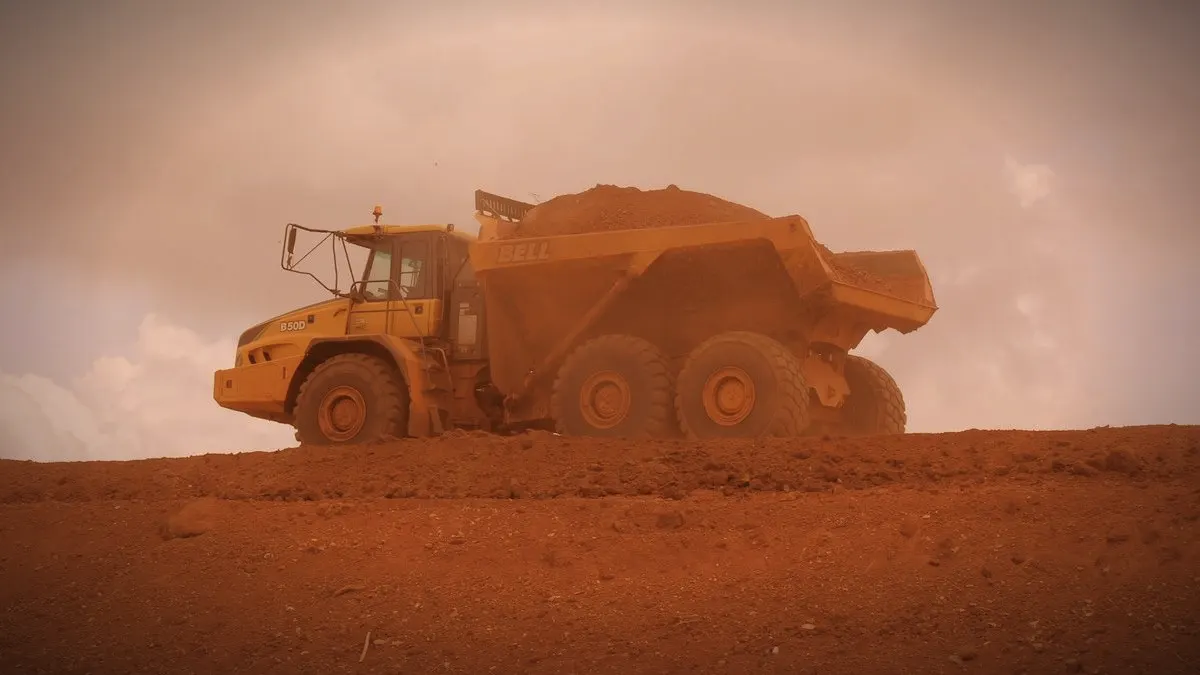
The London High Court opens an unprecedented trial on October 7, 2026: the London Bullion Market Association (LBMA), the organization that decides which gold bars can be traded on the world's premier gold market, must answer to a complaint from Tanzanian families. At the heart of the case is the 2019 death of two 23-year-old artisanal miners near the North Mara gold mine in northern Tanzania, according to Mining Weekly and allAfrica.
The British law firm Leigh Day is representing the relatives of the two men, alongside about thirty other Tanzanians, reports allAfrica. The plaintiffs claim that the victims were killed by the Tanzanian police, private security guards, or both. The mine is owned by the Canadian group Barrick Mining, which maintains that the police were not under its authority.
What a label is supposed to guarantee
The legal argument does not focus on the mine, but on the label. According to Leigh Day, the LBMA negligently renewed the certification of a refinery processing North Mara gold, a certification that, according to the firm's phrasing cited by Mining Weekly, served to mask serious human rights abuses. The LBMA's 'Responsible Gold Guidance' in principle requires operators to identify human rights risks in their supply chain. According to allAfrica, a certified refinery continued to source gold until 2024.
The LBMA denies any responsibility: it asserts that the deaths were neither caused by its work nor linked to its role. The association warns that acknowledging a duty of care of this nature would constitute an 'existential issue' for it, according to its filings cited by Mining Weekly.
Two hundred and seventy-six years of rules written elsewhere
The LBMA's Good Delivery List dates back to 1750, or 276 years; the association itself was established 39 years ago at the initiative of the Bank of England. Only refineries on this list produce gold acceptable for settlement in London: the commercial value of gold extracted from African soil therefore depends on a register kept in a European capital.
What the continent is bringing to the table
This is the significance of this trial for Africa: it shifts the question of compliance toward accountability. For decades, 'responsible' labels have reassured buyers in the Global North without offering recourse to communities living near mines. If the High Court admits that a certifier can be held accountable for what it certifies, the impact will extend beyond North Mara and affect cobalt, platinum, or copper supply chains.
The decision is expected at the conclusion of the hearings. Tanzania, for its part, continues to revise its mining contracts to capture more value locally—a battle being waged in parallel by Ghana, the DRC, and Nigeria.
This article was written in French with the help of artificial intelligence from the sources cited below, then translated from French automatically. Read the original.