Rwanda Grand Prix: Human Rights Watch demands guarantees before F1 settles in Kigali
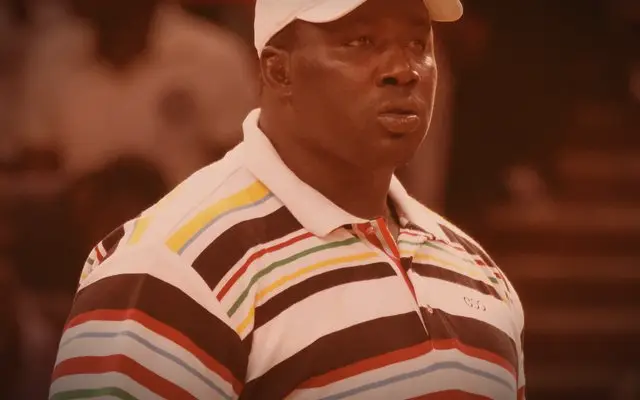
Human Rights Watch (HRW) published an op-ed on October 16, 2026, asking Formula 1 to conduct "a thorough human rights risk assessment" before approving races in Rwanda. The text is signed by Lewis Mudge, the organization's Central Africa director.
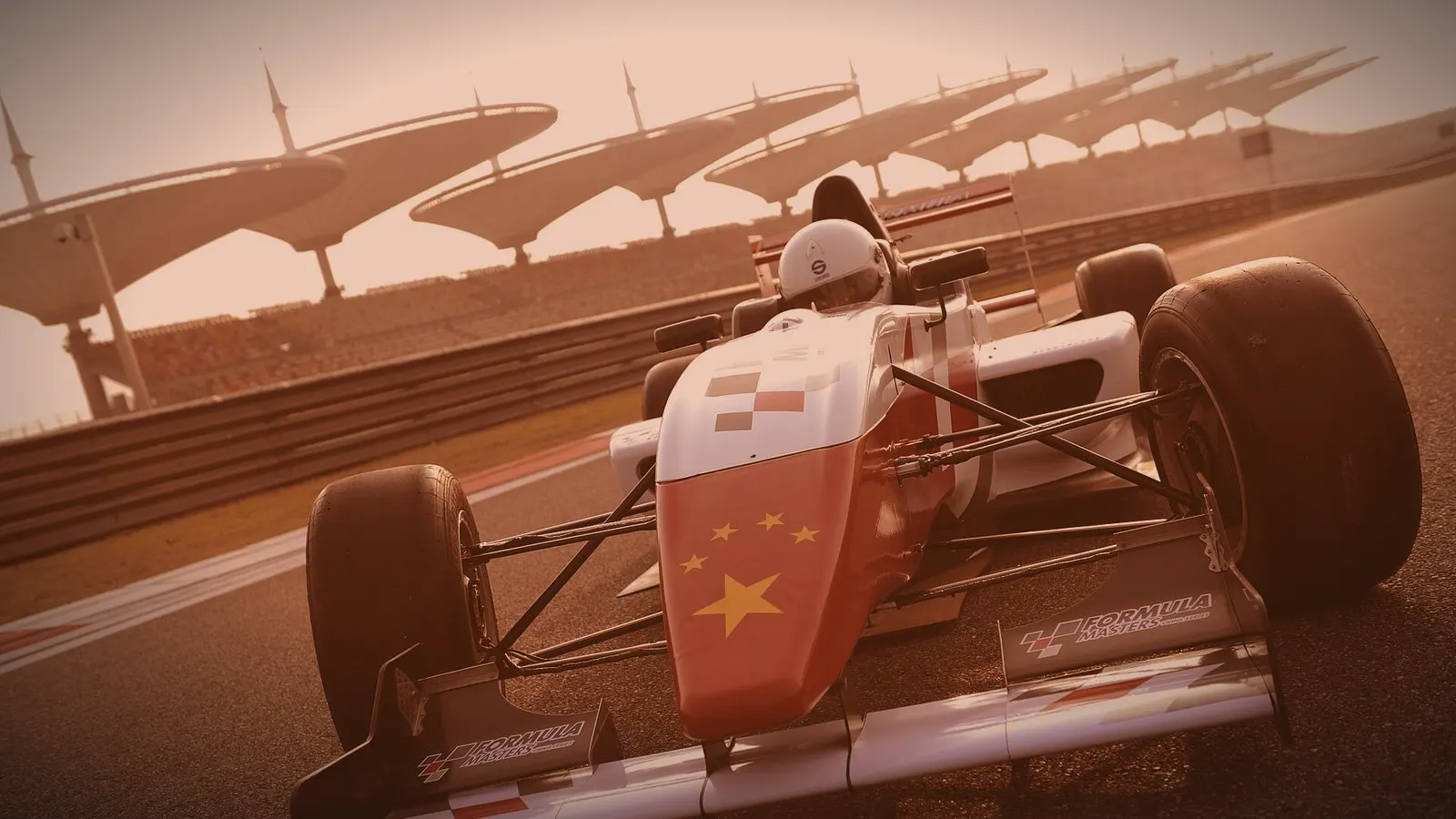
The call comes three days after President Paul Kagame announced, during a speech at the BK Arena in Kigali on October 13, 2026, the signing of a ten-year agreement that is expected to bring a Grand Prix to Rwanda by the early 2030s.
What the organization is asking for
HRW says it recognizes the importance of Formula 1 returning to Africa. However, the organization is asking the championship promoter for three things: to conduct this assessment in consultation with Rwandan and international civil society, to include measurable commitments in the agreement to protect the Rwandan and foreign journalists who will cover the event, and to take seriously the risk that motorsport could be used to whitewash the government's record.
The organization states that it wrote to Formula 1 on February 24 to ask how it intended to address these risks, and claims it has received no response.
The facts presented by HRW
According to the organization, Rwandan authorities regularly conduct sweeps against homeless people and street vendors before major international events. Those arrested are allegedly held in a warehouse presented as a "transit center" until foreign visitors leave; HRW cites an episode of this kind before an international conference in 2021.
Still according to HRW, the government targets independent media and opponents, both in Rwanda and abroad, and the organization reports torture, illegal military detentions, enforced disappearances, and extrajudicial killings. Finally, it recalls Kigali's support for the M23 in the eastern Democratic Republic of Congo, where Rwandan forces are allegedly involved in forced displacement, forced recruitment, arbitrary detention, and the killing of civilians.
The op-ed does not mention any reaction from the Rwandan authorities or Formula 1.
The fact that the world's wealthiest championship is finally returning to the continent is good news, and Africans do not have to apologize for wanting to host the biggest sporting events. The question asked here is different: under what conditions, and with what guarantees for those who live there.
"Formula 1 cannot ignore human rights," summarizes Lewis Mudge. Defending the rights of Africans also means holding African powers accountable when they invest in their image rather than in freedoms.
"Formula 1 cannot ignore human rights," summarizes Lewis Mudge. Defending the rights of Africans also means holding African powers accountable when they invest in their image rather than in freedoms. The championship promoter's response will show what its word is worth on the subject.
This article was written in French with the help of artificial intelligence from the sources cited below, then translated from French automatically. Read the original.