Satlyt raises $8 million to run AI on board satellites, with a base in Nairobi
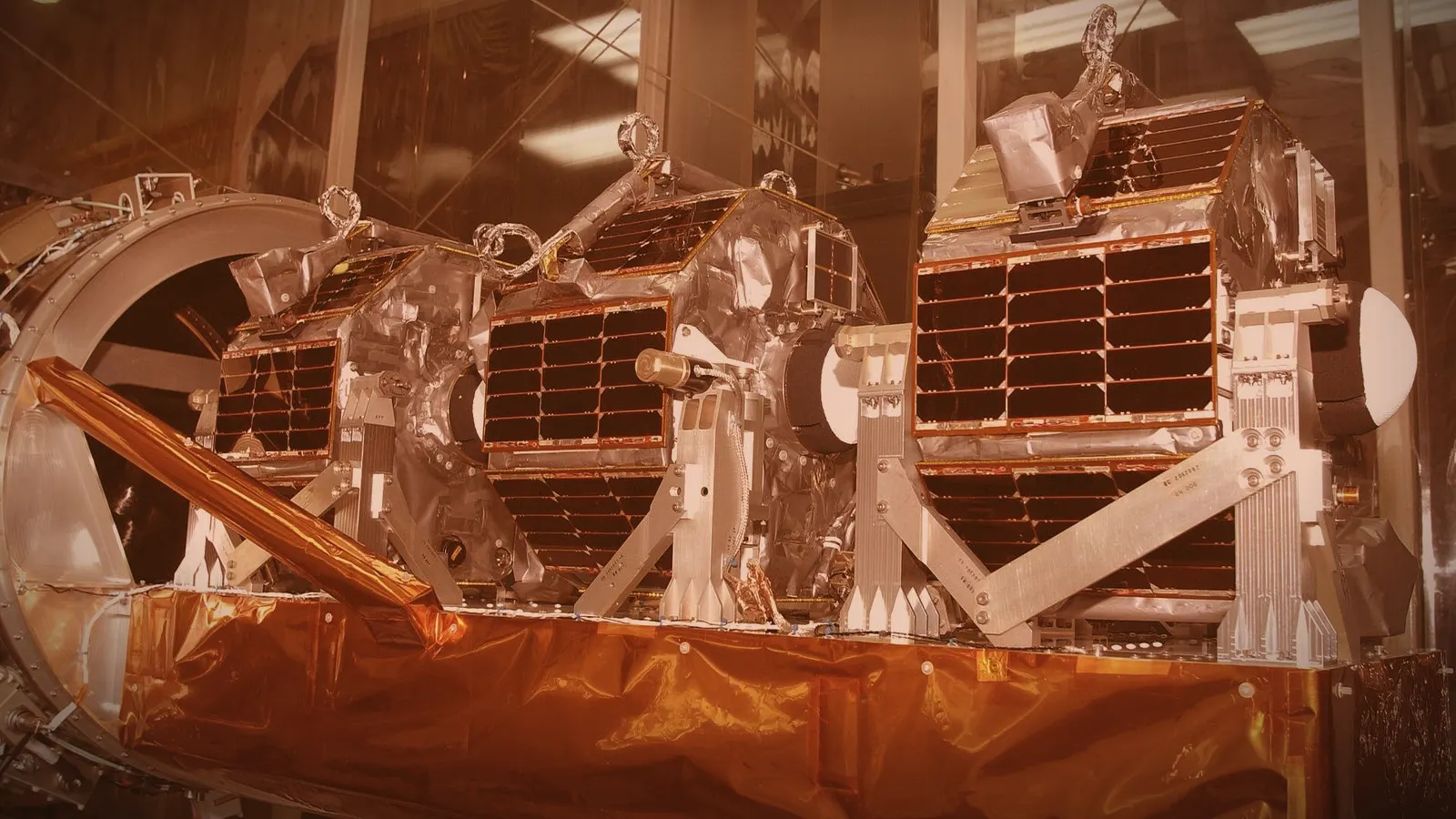
The start-up Satlyt has closed an $8 million seed funding round to develop software that allows satellites to process their data and run artificial intelligence models directly in orbit, reported the specialized media outlet Space in Africa on October 1, 2026. The company has an American headquarters in Sunnyvale and an African headquarters in Nairobi, with a Kenyan subsidiary and most of its engineering team; its leadership team is described as "entirely Kenyan-American."
Computing up there rather than sending everything back down
The principle is based on a simple idea: an observation satellite produces considerable volumes of data, which currently must be transmitted raw to ground stations before any processing. Satlyt proposes performing some of the analysis on board, to send back only what is useful. The company has already run a Gemma model, from Google DeepMind, to locally analyze system logs and software errors. Its longer-term ambition—to coordinate computing power between satellites belonging to different operators to form "virtual AI data centers"—has not yet been demonstrated, specifies Space in Africa.
A funding round where Africa is present
The round is led by non sibi ventures. It includes TLCOM, Antler, Launch Africa Ventures, Enza Capital, Slauson & Co., Askya Investment Partners, and Axian Investment, totaling more than a dozen named investors, including several funds active on the continent. The funds are intended to expand engineering and customer relations teams and to broaden deployments. Space in Africa indicates that Satlyt signed a memorandum of understanding with the Kenya Space Agency in 2025, followed by the Angolan space agency GGPEN in 2026.
Two applications on board a SpaceX flight
The company targeted the SpaceX Transporter-18 mission to host two applications on a third-party satellite: research software developed with the University of Houston as part of a NASA Glenn STTR program, and an imaging processing application from a commercial publisher. Launching and operating correctly in orbit remain two distinct steps, the media outlet reminds us: the results will still need to be evaluated. The funding round was also covered on October 16, 2026, in FollowICT's weekly review of African start-up financing.
This model is interesting for the continent because it does not require building or launching its own satellites, which is a long and costly process. It shifts value toward software and skills—precisely where African engineers can enter the space race without waiting to have a launch pad.
This article was written in French with the help of artificial intelligence from the sources cited below, then translated from French automatically. Read the original.