Malawi: State claims to lose $700 million in gold annually, then $100 million, without explaining the gap
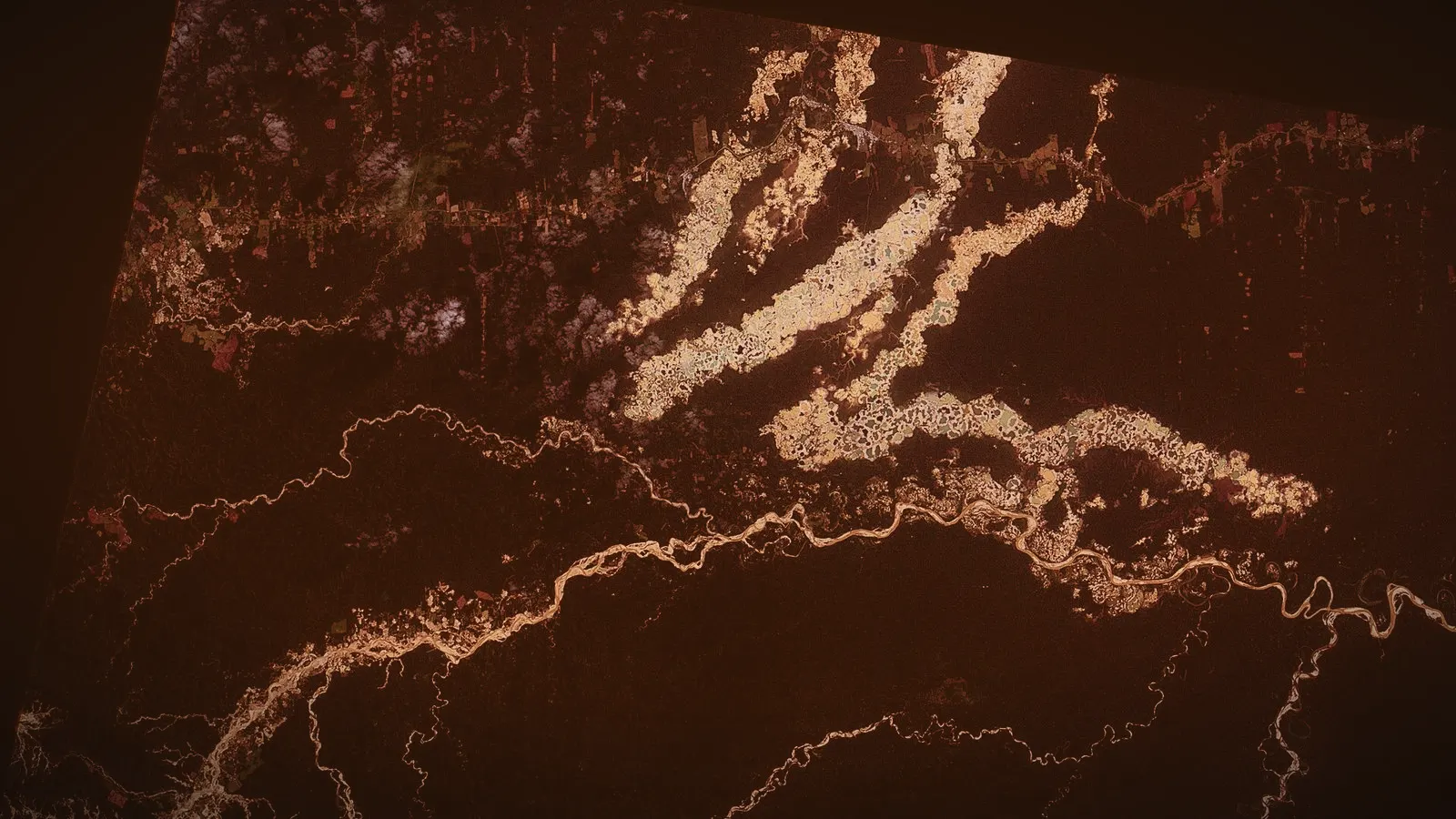
Malawi wants to regain control over its artisanal gold. The state-owned Malawi Mining Investment Company (Mamico) is setting up a system to purchase the metal from artisanal miners at around a hundred sites, via buying centers in Lilongwe, Kasungu, and Nkhotakota, before reselling it to the Reserve Bank of Malawi (RBM). The goal: to intercept the gold before it leaves the country clandestinely. However, an analysis published on October 16, 2026, by the Nyasa Times, and picked up by allAfrica, casts doubt on the figures upon which the entire structure is built.
Seven times less, without explanation
At the beginning of the year, a one-month assessment conducted by Mamico estimated losses due to smuggling at more than $700 million per year and identified 81 illegal mining sites. The most recent estimate now suggests around $100 million per year, which is seven times less, while the number of sites attached to the program has risen to about a hundred. According to the Nyasa Times, this new figure "has never been publicly explained" and no methodology has been made public: it is impossible, writes journalist Collins Mtika, to verify either of the two estimates.
An incomplete setup
Mamico says it needs 85 billion kwachas for the first three months, and then about 300 billion kwachas per year. Two institutions, FDH Bank and NBS Bank, are associated with the scheme. However, the purchase agreement with the Central Bank has not yet been signed. Yet, another gold purchasing program on behalf of the RBM already exists, led by the Export Development Fund, which had acquired approximately 1.63 tons of gold in September 2026. The risk of duplication between two public structures pursuing the same metal is explicitly highlighted.
Why gold matters so much to Lilongwe
The issue is monetary. The country's official reserves stood at $600.6 million in September 2026, representing 2.4 months of imports, below the generally recommended three-month threshold. In April 2026, the Central Bank had exported 589.95 kg of locally purchased gold, worth $75.09 million. Every gram captured legally is a breath of foreign currency.
The question that will decide the fate of the program remains: the artisanal miners. If they are not paid quickly and at a competitive price, they will continue to sell to informal intermediaries, the analysis warns. Mtika calls on Mamico to publish its calculations, clarify its coordination with existing mechanisms, and provide verifiable data on production, purchases, and exports. A requirement that applies far beyond Malawi: on a continent whose resources too often leave without a trace, the transparency of public figures is the first condition of mining sovereignty.
This article was written in French with the help of artificial intelligence from the sources cited below, then translated from French automatically. Read the original.