Senegal: IMF puts debt at 132% of GDP, and revised budget hits a wall with Pastef majority
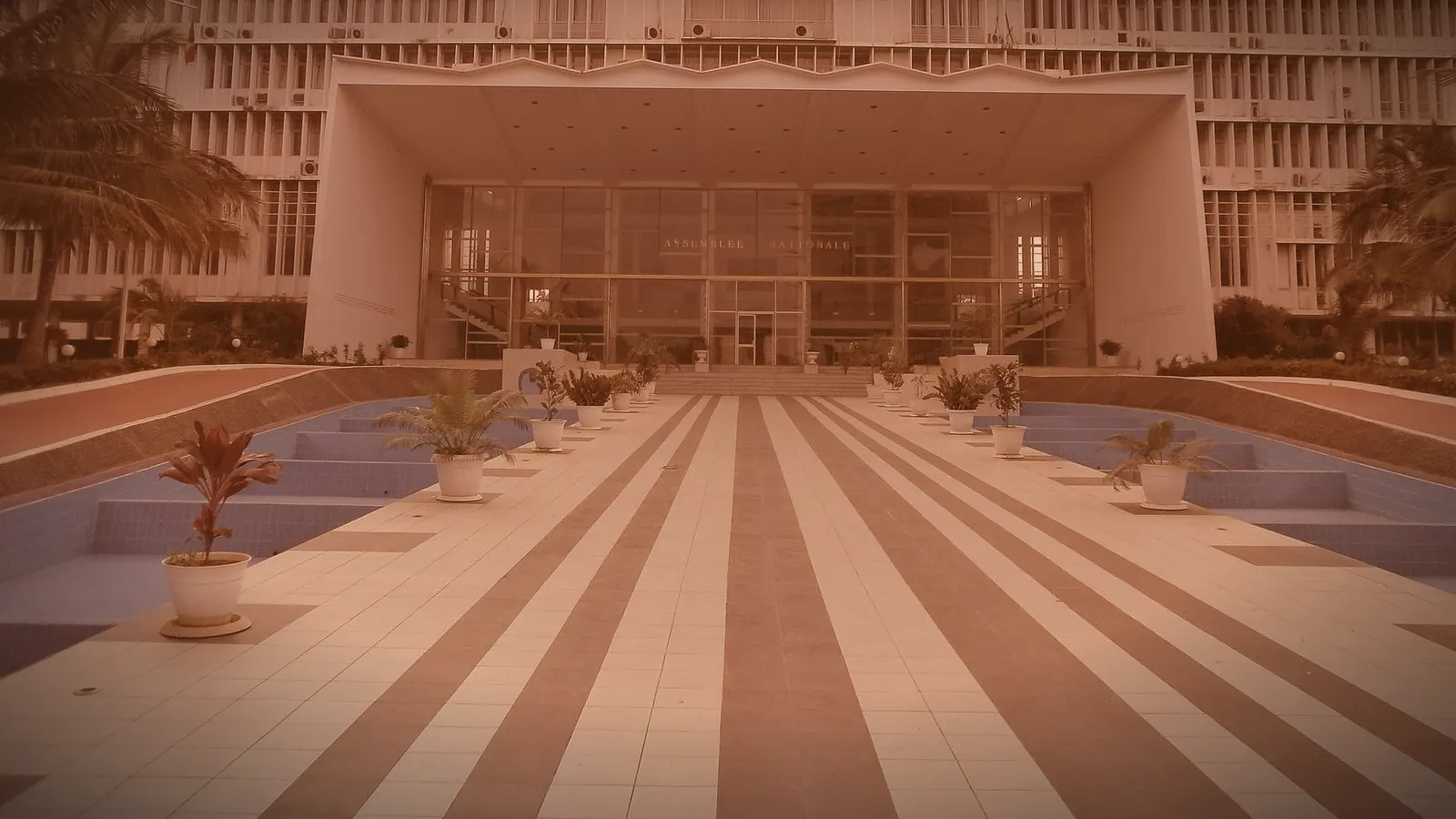
The finance committee of Senegal's National Assembly is set to re-examine a revised budget on which the conclusion of a new program with the International Monetary Fund depends, reported Africanews and AFP on October 28, 2026. Finance Minister Cheikh Diba has asked lawmakers to take up a text that Pastef, the party holding an overwhelming majority in Parliament, had previously rejected.
The stakes are not merely accounting-related. Dakar hopes to secure a 36-month, $2.2 billion program intended to stabilize public finances. Any delay, notes Africanews, could jeopardize this negotiation. According to the IMF cited by the agency, Senegal's public debt had reached 132% of gross domestic product at the end of 2024; another edition of Africanews, published on October 29, 2026, mentions nearly 130% of GDP in 2025, also according to the IMF. This debt is, writes Africanews, the result of the discovery of billions of dollars in loans that were not declared by the previous administration.
A standoff at the top of the State
Ousmane Sonko, leader of Pastef and President of the National Assembly, has accepted the minister's request and committed to setting the dates for committee work and the subsequent plenary session, according to Africanews. He assured the deputies that the vote would be held calmly and clearly. No date had been set at the time of the article's publication. Prime Minister Ahmadou Al Aminou Mohamed had called on the opposition not to paralyze the country: "You cannot bring a country to a standstill," he declared according to Africanews, inviting Pastef to engage in dialogue.
What the debt is already costing Senegalese people
Debt service, meaning what the state repays each year, is expected to rise from 4,435 billion CFA francs in 2025 to 5,498 billion in 2026, an increase of approximately 24%, according to Africanews. This is money that is not going to schools, hospitals, or investment. The social context is tense: high youth unemployment and a cost-of-living crisis, with a three-day general strike in the week preceding October 28, the media reports.
Creditors, for their part, are moving in lockstep. On October 15, 2026, the United States requested that the debt restructuring be completed within the year. On October 23, creditor banks appointed their financial advisor, a step toward a potential agreement. For Dakar, the equation is known to all over-indebted African capitals: lighten repayments without sacrificing public investment or household purchasing power. The next chapter will play out in committee, and then in the chamber.
This article was written in French with the help of artificial intelligence from the sources cited below, then translated from French automatically. Read the original.