Shea: West Africa closes borders to kernels to keep the butter and the value
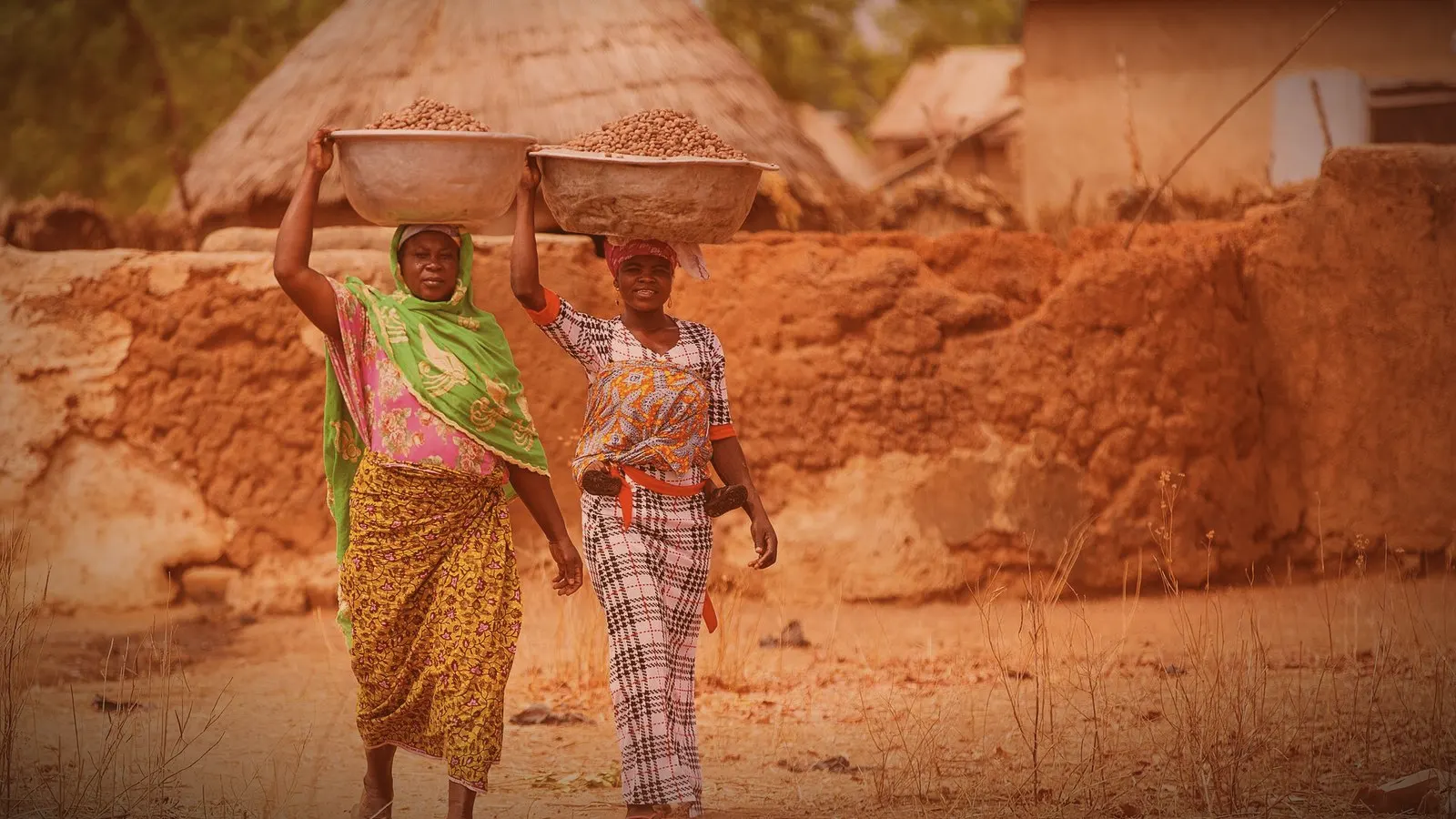
The 2026 shea season is opening under tension in West Africa, where several states have closed or locked down the export of kernels to reserve the raw material for their own processing units, reported the Ecofin Agency on October 6, 2026.
Mali, Nigeria, and Côte d'Ivoire are enforcing a total ban on the export of kernels. Burkina Faso is imposing a special authorization, the sale of 25% of volumes to local units, and a levy of 200 FCFA per kilo. Togo requires prior authorization and a tax of 100 FCFA per kilo. Benin maintains trade, but with a high export tax. Ghana announced a gradual blockade in July 2025, which has not yet come into effect.
Prices per kilo that vary from single to double
The differences in farm-gate prices illustrate this fragmentation. According to the information service N'kalô, the kernel is trading between 575 and 675 FCFA per kilo in Ghana, compared to 325 to 330 FCFA in Togo, 280 to 320 FCFA in Nigeria, 275 to 290 FCFA in Burkina Faso, and 260 to 310 FCFA in Benin. For the women who collect the nuts—the bulk of the sector's workforce—a few kilometers of border can double the income from a day of gathering.
The region exported approximately 85,000 tons of shea butter in 2025, according to customs data cited by the Ecofin Agency.
Sovereignty still being tested
These measures reflect a fundamental choice: to stop shipping raw material to the cosmetic and chocolate industries of the North only to re-import the finished product. The reasoning is sound. Its execution is less so. Côte d'Ivoire is installing a third processing plant and its domestic demand is holding up; in Nigeria, some units are at a standstill; in Benin, industrial and semi-industrial processors continue to buy to secure their volumes. Regional capacities exceed the production actually being processed.
"The momentum is there, but we have not yet reached a satisfactory situation," summarizes Anaïs Chotard, an analyst at N'kalô, as quoted by the Ecofin Agency.
Unpredictability, the main hidden cost
The criticism from operators is not about the principle, but the method. "Operators remain dependent on authorizations and bans announced overnight," notes Anaïs Chotard, who also points out a gap between official announcements and the reality on the ground.
Banning without installed processing capacity risks seeing kernels smuggled out and prices collapsing for the gatherers. The test for this season will be this: verifying whether the region's factories are actually buying the volumes that the borders are holding back.
This article was written in French with the help of artificial intelligence from the sources cited below, then translated from French automatically. Read the original.