South Africa: Over 116,000 Zimbabweans returned home following the 2026 anti-migrant campaign

More than 116,000 Zimbabweans have left South Africa to return home following the anti-immigrant campaign led during the first half of 2026, according to figures reported by Al Jazeera in a report published on October 4, 2026, dedicated to their return.
At the heart of this campaign is the March and March movement, which accuses migrants of taking jobs from South Africans and overwhelming public services. The group had set a June 30, 2026, ultimatum for the departure of undocumented individuals and, according to Al Jazeera, conducted raids on the homes of foreign families to order them to leave.
A departure driven by fear, not law
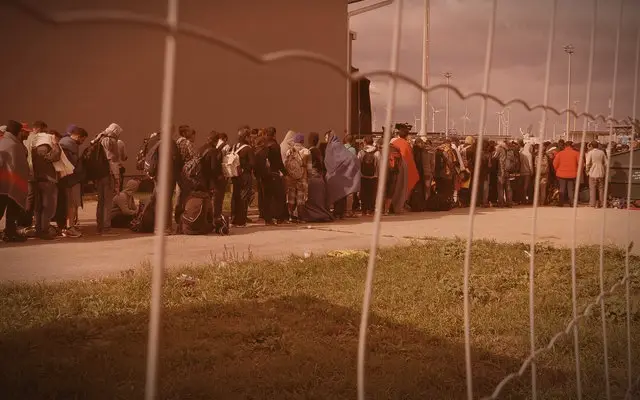
The South African government publicly rejected this ultimatum, stating that June 30 would be an ordinary day and warning against any intimidation. This was not enough. Thousands of people left out of fear of violence, particularly in the KwaZulu-Natal province and in Port Elizabeth.
As of July 28, 2026, 116,670 Zimbabweans had returned, Al Jazeera specifies: 36,940 with some form of public assistance and 79,730 by their own means. The gap tells the main story. The vast majority organized their departure alone, without support, abandoning housing, employment, and ongoing schooling.
"It was no longer safe. They were searching our homes," testifies Samantha Chimbuya to Al Jazeera, who has returned to Zimbabwe and describes a climate of fear. Another returnee, Sidney Bunya, is among those now trying to rebuild a business in a country whose economy, already fragile, was not prepared to absorb more than one hundred thousand workers in a few weeks.
The price of a rift between Africans
This crisis does not pit Africa against the rest of the world: it pits Africans against other Africans. Remittances from Zimbabweans in South Africa supported entire households in rural Zimbabwe; their abrupt interruption displaces poverty rather than resolving it, on both sides of the border.
South Africa remains the continent's leading host country, and xenophobia is a recurring wound there, fueled by mass unemployment that migrants did not create. The question posed to African states and the African Union is that of a real framework for free movement and protection: without recognized rights, every social crisis will find the same scapegoats.
This article was written in French with the help of artificial intelligence from the sources cited below, then translated from French automatically. Read the original.