Sudan: 8 million children out of school, and teachers who can no longer afford the bus
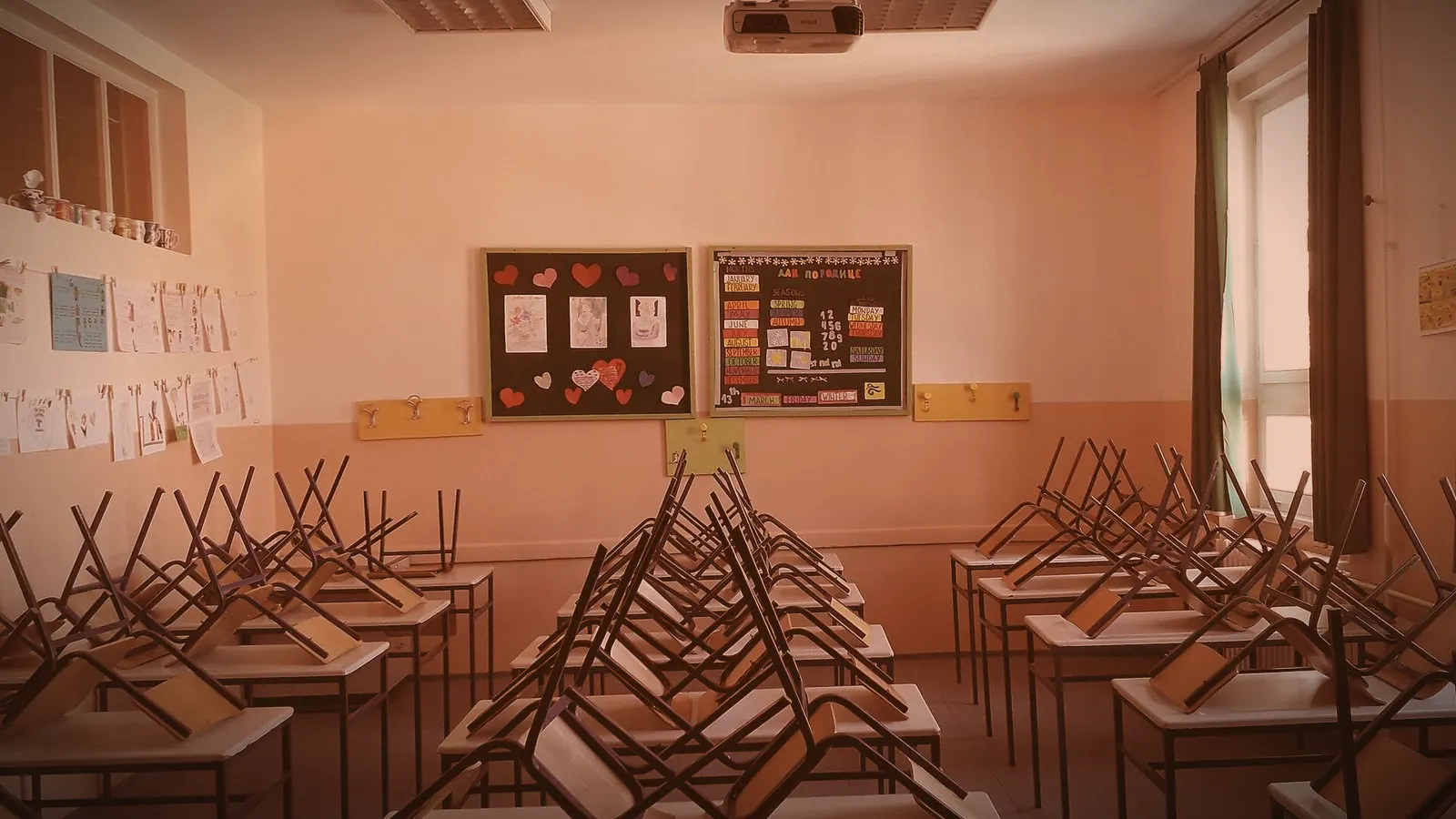
Eight million of Sudan's seventeen million school-age children are not in school, according to UNICEF, as cited by Al Jazeera on October 27, 2026. In Darfur, approximately 80% of schools remain closed and 70% of children are not attending classes. Save the Children estimates that Sudanese students have lost an average of 484 days of schooling since the war began on April 15, 2023.
The figure does not yet convey the most serious aspect: nearly half of the country's school buildings are no longer used as classrooms, having been damaged by fighting or transformed into shelters for displaced people, like this school in Port Sudan. In September 2026, a drone attack on two warehouses in North Kordofan destroyed more than 330,000 textbooks and teaching materials. The Rapid Support Forces (RSF) are accused of targeting schools and universities; the accusation is reported, not established.
In Port Sudan, school has been replaced by work
Abkar Mohammed is nine years old. Having arrived from Khartoum with his mother and his three siblings, he shines shoes on the street for the equivalent of a dollar a day and attends Quranic classes at a khalwa. Mahmoud al-Ghali, sixteen, has not returned to class since he was thirteen: displaced several times, he has been selling candy and chips for three years for less than three dollars in daily profit. His two younger brothers were able to resume classes in their village in Gezira after the area was retaken by the army. Saliha Omer, who sells tea, could not afford to enroll her eleven-year-old son; he works in a grocery store.
Teachers are also dropping out
The Sudanese Teachers' Committee is warning against the collapse of public education, reports the website Dabanga, as picked up by AllAfrica on October 28, 2026. Teachers can no longer get to their schools because they cannot afford transportation. Their absence, the committee emphasizes, is not just due to the ongoing strike: it reflects the decline in their living conditions, between low wages and the rising cost of living. The drop in staff numbers is hitting schools in poor neighborhoods and peripheral areas first.
The cost of a generation without school
Sulaima Ishag, from the government's Advisory Council for Women and Children, warns of what awaits girls who have left the system: early marriage, teenage pregnancy, and sexual violence. Psychologist Hanaa Mohamed describes a constant fear, sleep disorders, and difficulty concentrating among the children. Approximately 60% of Sudanese are now said to be living below the poverty line, and the country's economy is estimated to have regressed by thirty years.
The war will also be judged by this: a country can rebuild a bridge in two years, but not an entire generation. The demand made by UNICEF for unified national exams for all Sudanese children, wherever they may be, is one of the few measures that does not depend on a ceasefire.
This article was written in French with the help of artificial intelligence from the sources cited below, then translated from French automatically. Read the original.