Trump speaks of a "totally different country": Hargeisa sees it as a step toward recognition
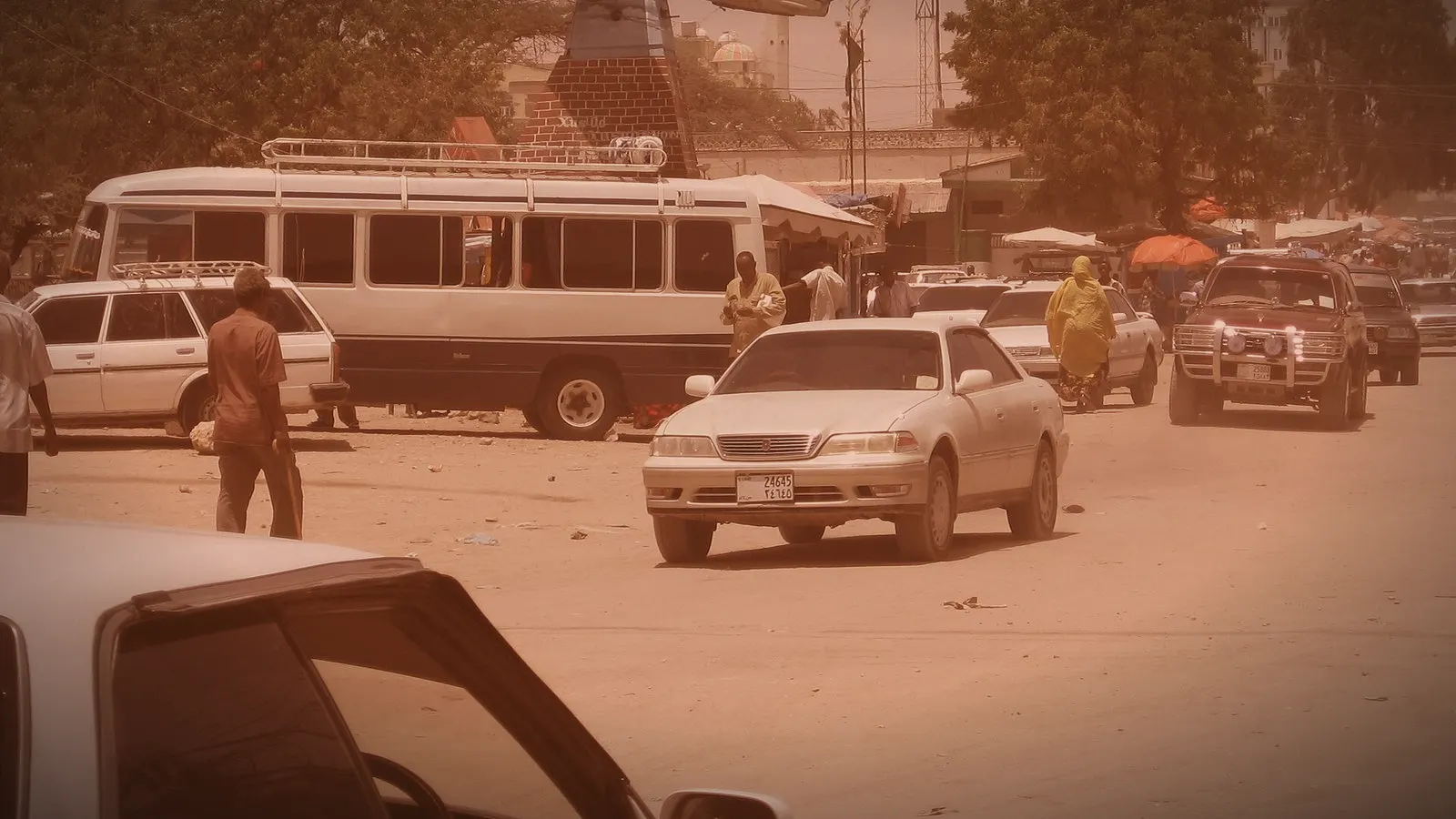
The Somaliland Ministry of Foreign Affairs welcomed, in a statement on October 13, 2026, remarks made the previous day by Donald Trump, who described the territory as "a totally different country" from Somalia during a rally in Youngstown, Ohio, report Somali Dispatch and Horn Diplomat. The American president added that this name should be changed "immediately," saying he preferred to call it "Somalia land."
A rally remark, not a decision
These words were spoken on October 12, during a broader segment dedicated to immigration in the United States and Somalia, and not as part of a diplomatic announcement. No formal recognition has been initiated by Washington and the official American position remains unchanged, both media outlets clarify. However, it is the word "country," spoken by a President of the United States, that was immediately seized upon in Hargeisa.
Hargeisa's arguments
The Somaliland statement highlights its borders, its constitution, an elected government, and more than three decades of de facto autonomy. The territory declared its independence in 1991 and considers that it restored the sovereignty acquired on June 26, 1960, before its union with the former Italian Somaliland. Since then, it has had its own government, armed forces, currency, and electoral institutions, notes Horn Diplomat. Israel formally recognized it in December 2025, according to Somali Dispatch.
Berbera, the card Irro is playing
On October 11, the President of Somaliland, Abdirahman Mohamed Abdullahi, known as "Irro," had publicly asked Donald Trump to recognize his country in an interview granted to Breitbart News, conducted in Manhattan at the end of September. In it, he proposes unconditional cooperation against terrorism and piracy, as well as in maritime security, by highlighting the strategic position and commercial potential of the port of Berbera on the Gulf of Aden.
Mogadishu, the African Union, and the question of borders
Somalia continues to claim Somaliland as part of its territory. The issue touches on one of the founding principles of the African order: the intangibility of borders inherited from colonization, to which no secession has been recognized since the independence of South Sudan in 2011, which was obtained by referendum and with the agreement of Khartoum. The trajectory of Somaliland, for its part, has never received the approval of Mogadishu.
This leads to a question that applies to the entire continent: who decides on African sovereignty? The thirty-five years of Somaliland's independent functioning are a political fact that Africa will have to face. But the fact that this prospect is being opened by a sentence thrown out at an American election rally, backed by Washington's strategic interest in a Red Sea port, also says much about how African destinies remain commented on elsewhere before being debated here.
This article was written in French with the help of artificial intelligence from the sources cited below, then translated from French automatically. Read the original.