Tunis: Jaou festival unveils a month of concerts, from Yasmine Hamdan to Shabaka Hutchings
The Jaou Tunis festival has unveiled its musical program for an edition that will take place from October 23 to November 22, 2026, at Dar Bir Lahjar, in the medina of Tunis, reports Music In Africa on October 2, 2026. The selection was curated by Imed Alibi and Marouane Ferchichi.
The lineup takes a clear stance: bringing together musicians from the Arab world, the African continent, and beyond on the same stage, focusing on hybrid forms where traditional heritage dialogues with electronic music, improvisation, and club cultures.
Encounters and creations
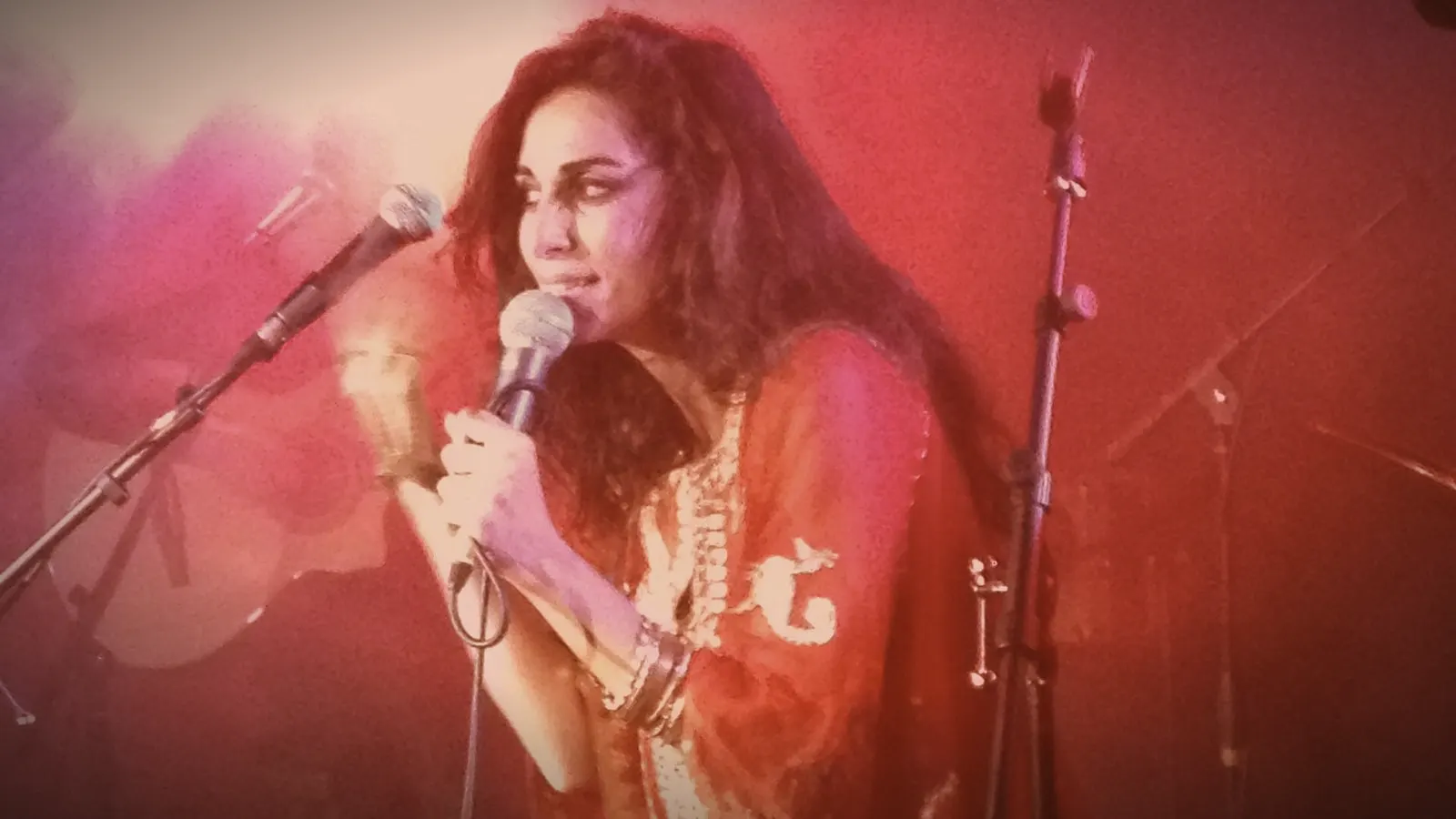
Lebanese singer Yasmine Hamdan opens the concerts on October 25, accompanied by the Soudeni project. British saxophonist and clarinetist Shabaka Hutchings, a major figure in the new London jazz scene and its Caribbean and African roots, will perform on October 26 with VIPA. On October 28, Khalil Hentati presents "Tuqûs" with the Ensemble de percussions improvisées (EPI).
The evening of October 29 brings together Big Murk, Jordanian producer Toumba, and Palestinian artist Julmud, three names in contemporary Arab electronic music. On October 30, Lebanese artist Liliane Chlela shares the stage with Tunisian artist Sara Dziri. Egyptian artist Nadah El Shazly performs on October 31, and the duo Hyperculte closes the series on November 22.
Tunis as a regional platform
The edition is supported by the British Council, the Embassy of Canada, the Italian Cultural Institute of Tunis, the French Institute of Tunisia, Wallonie-Bruxelles, and Pro Helvetia, according to Music In Africa. This funding model reflects a reality of the sector: independent scenes on the continent rely heavily on foreign cultural institutes due to a lack of national public mechanisms that meet their needs—a dependency that many African cultural actors are calling to correct through regional funds.
Beyond funding, the challenge for Jaou is geographical. By establishing a meeting point in the Tunis medina where artists from the Maghreb, the Mashreq, sub-Saharan Africa, and the diaspora can cross paths, the festival serves as a reminder that Tunisia is a crossroads and that musical exchanges between North Africa and the rest of the continent do not need to go through Paris or London to exist. This is precisely the type of platform the continent lacks most: spaces where African scenes can speak directly to one another, program each other, and build their own touring networks.
This article was written in French with the help of artificial intelligence from the sources cited below, then translated from French automatically. Read the original.