Uganda: Kizza Besigye's treason trial resumes without him at the Kampala High Court
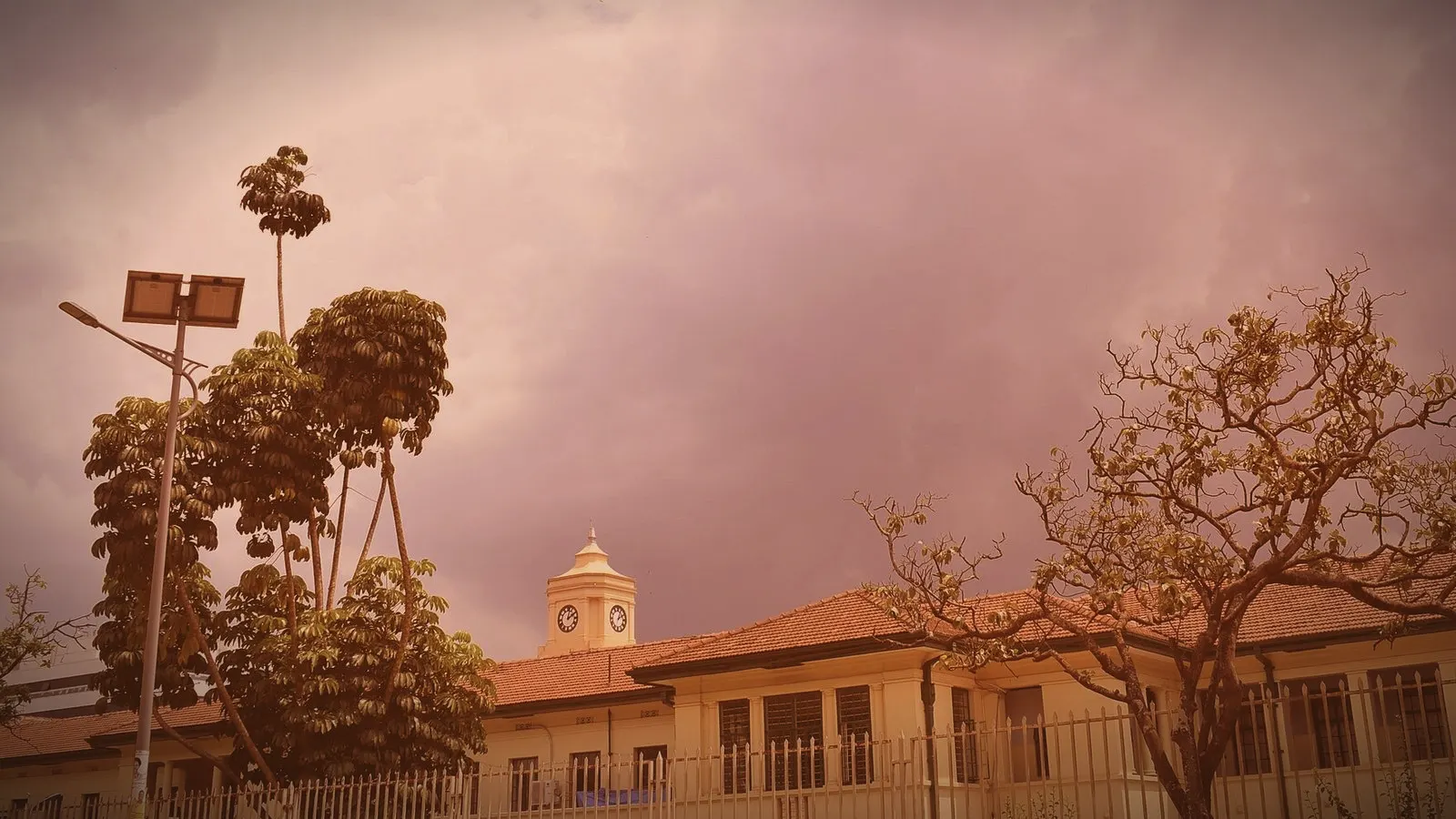
The treason trial of Kizza Besigye resumed on October 5, 2026, before the Kampala High Court, presided over by Judge Emmanuel Baguma, without the Ugandan opposition leader being physically present in the courtroom. According to the Nile Post, he has not appeared since July 29, 2026, the date he collapsed during a hearing while protesting the appointment of his lawyers. The court has authorized the proceedings to continue in his absence.
A four-time presidential candidate, Besigye is being prosecuted alongside his associate Obeid Lutale and Captain Denis Oola of the Ugandan army. The prosecution accuses them of participating in meetings in Uganda, Kenya, Greece, and Switzerland with the aim of overthrowing the government. The three men are presumed innocent, and no guilt has been established at this stage.
An arrest beyond borders
Besigye was arrested in Nairobi, Kenya, on November 16, 2024, before being transferred to Uganda. Nearly two years later, he remains in detention, and his trial is still at the evidence examination stage. The circumstances of this arrest abroad and his subsequent transfer have, from the outset, fueled legal challenges regarding the regularity of the procedure.
The battle over a USB drive
The hearing on October 5 was dedicated to the transcripts of audio and video recordings presented by the prosecution. Dr. Medadi Erisa Ssentanda, a lecturer at Makerere University, was tasked with transcribing more than twenty-five hours of content for a fee of 59.32 million Ugandan shillings, according to AllAfrica.
The defense, led by lawyer Farouk Kizito Kamulegeya, opposes the admission of these transcripts, arguing that the original USB drive has not been produced and questioning the chain of custody of the evidence. The prosecution's main witness, Andrew Wilson, a security investigator presented as working for the government, had already been heard for several weeks regarding the operation conducted in Nairobi.
This trial has become a marker of the state of political freedoms in Uganda, where President Yoweri Museveni has been in power since 1986 and where Besigye was long his main electoral opponent. The question posed to the Ugandan justice system is simple and followed well beyond Kampala: can an opponent be tried fairly when he is absent from the courtroom and his lawyers challenge the very origin of the evidence? The answer lies with Judge Baguma, whose decisions on the admissibility of the transcripts will guide the remainder of the proceedings.
This article was written in French with the help of artificial intelligence from the sources cited below, then translated from French automatically. Read the original.