War in Iran: Fuel prices more than double in Uganda, African food security threatened
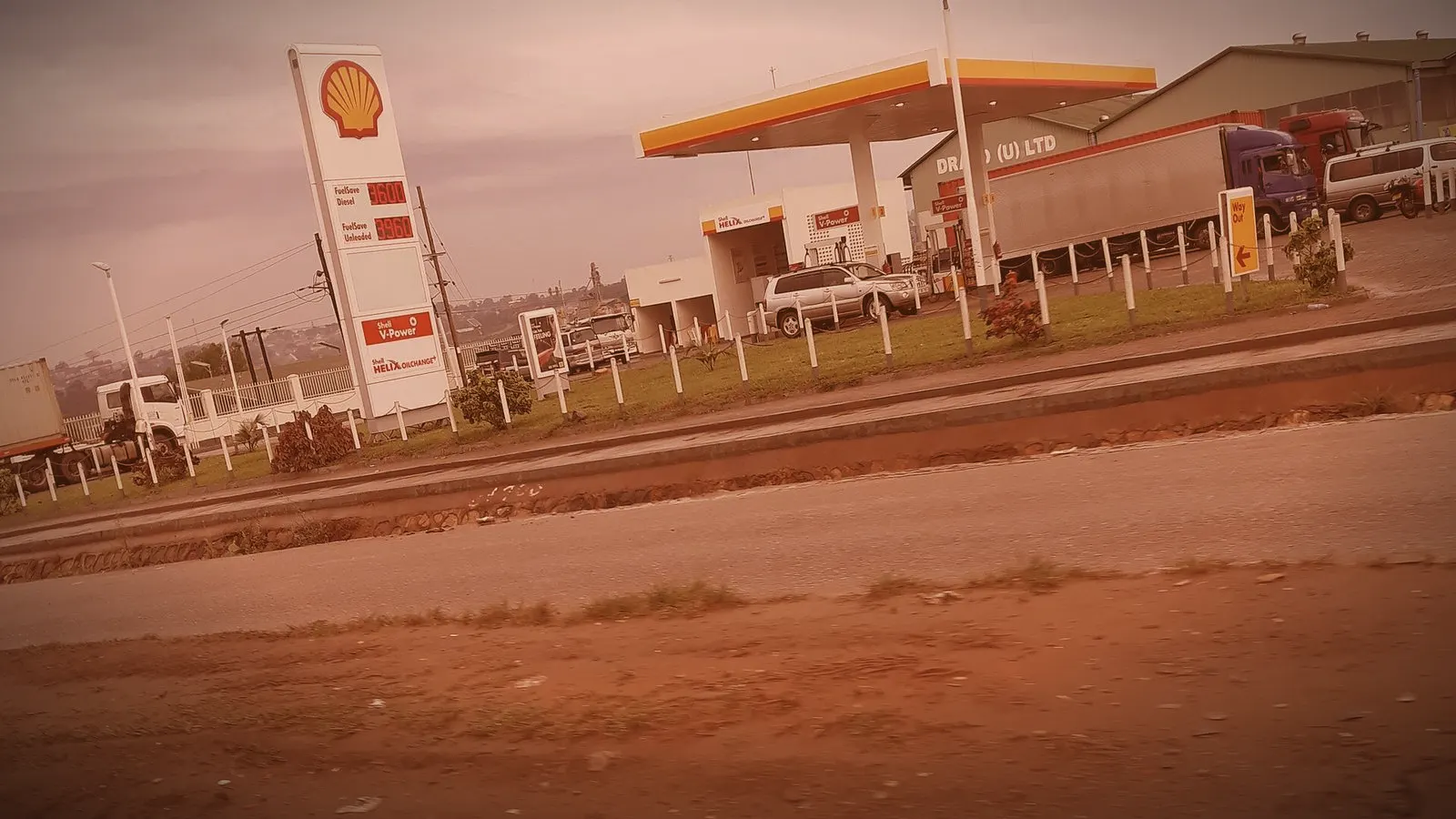
Fuel prices have more than doubled in Uganda and the shilling has lost 10% against the dollar since mid-2026, said Ugandan Minister of Trade, Industry and Cooperatives, Sanjay Tanna, at the UNCTAD World Investment Forum held in Doha on October 25 and 26, 2026. This was reported by Al Jazeera, which followed the debates.
The cause can be summed up in one name: the Strait of Hormuz, through which about a fifth of global oil and liquefied natural gas trade passed before the war between Iran on one side, and the United States and Israel on the other. The blockage of this maritime corridor, thousands of kilometers from the African coast, is being paid for at the pump in Kampala and in the fields of Zimbabwe.
Fertilizer, the real ticking time bomb
Luz Maria de la Mora, Director of the Division on International Trade and Commodities at UNCTAD, warned that the surge in fertilizer prices could lead farmers to use less, which would weaken the following year's harvests and subsequently weigh on the availability and price of food. She estimated that the Hormuz crisis must be resolved "as soon as possible" and observed that the effect of rising oil prices on supply chains was lasting longer than expected.
Zimbabwean Minister of Women's Affairs, Community and Small and Medium Enterprise Development, Monica Mutsvangwa, described the rise in fuel and fertilizer prices as a major concern in a country where more than 70% of the population relies on agriculture. She summarized Harare's position regarding the rivalry between Washington and Beijing: her country is "a friend to all and an enemy to none." She highlighted deposits of more than 60 critical minerals, including lithium and graphite.
"Is the system fair? Of course not"
When asked about the fairness of the global trading system, the Ugandan minister replied: "Of course not." However, he emphasized that subsistence farming cushions the shock, as Uganda produces its own food—a reminder that food sovereignty is also insurance against the wars of others.
The Deputy Prime Minister of the Republic of Congo in charge of infrastructure and land use, Jean-Jacques Bouya, shifted the debate to the industrial field: Africa and his country cannot continue to provide raw materials that are processed elsewhere and then resold at a higher price. He presented the national Vision 2063 plan as aligned with the African Union's development agenda and insisted on electrical, digital, and physical connectivity.
The reasoning is the same from one end of the continent to the other: as long as fertilizers, fuel, and mineral processing depend on decisions made in Washington, Tehran, or Beijing, the price of African maize will be set by events over which no African voter has any control.
This article was written in French with the help of artificial intelligence from the sources cited below, then translated from French automatically. Read the original.