Zambia: A first gold refinery in Lusaka, and a $1.8 billion promise to be verified
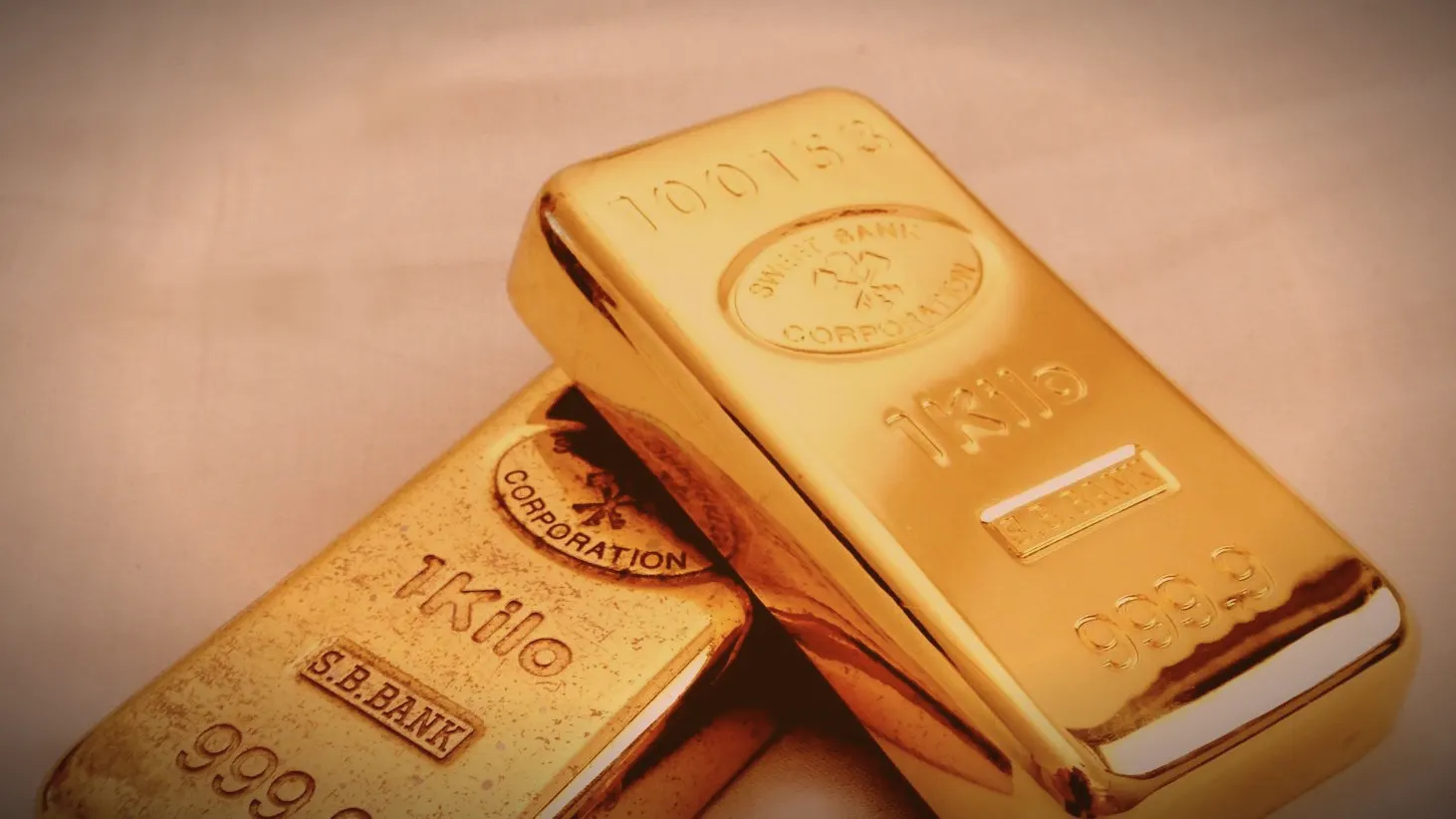
Minera Refineries Zambia Limited unveiled the first gold refinery installed in Zambia during the Mining and Investment Insaka event held in Lusaka from October 20 to 25, 2026. The plant processes the metal to approximately 99% purity, with equipment and a laboratory that the company claims are capable of reaching 99.99%.
The announcement touches on a sensitive issue for the continent: processing locally rather than exporting raw materials. According to an analysis published by Discovery Alert, gold accounted for only about 2% of the country's merchandise exports in 2024 ($262 million), compared to 66% for copper ($7.5 billion).
The $1.8 billion figure is not revenue
The company highlights a potential of more than $1.8 billion. This is a projection linked to the formalization of artisanal mining, not a recorded turnover or a valuation of the plant. Official production remains modest: 2,237 kg in 2023 and 3,141.81 kg in 2024, according to Agence Ecofin citing the Ministry of Mines, far from the 18,000 kg target that the Zambian export diversification strategy aimed for by 2025.
The gap with the Emirates
The underlying issue lies elsewhere: in 2023, the United Arab Emirates reported importing 29.1 tonnes of Zambian gold, worth $1.79 billion, while Zambia only recorded 2.24 tonnes. Agence Ecofin, cited in the same analysis, warns that the two data sets do not necessarily cover the same scope: the gap does not in itself prove illegal production, but it indicates the scale of what escapes public accounts.
This is precisely what the refinery says it wants to capture. Its CEO, Andrew Mukupa Katandula, presented a two-year program centered on the formalization of artisanal miners, pre-financing their production, and better traceability. The movement is already underway on the state side: the number of artisanal mining permits increased from 680 in 2024 to 1,068 in 2025, and Minister of Mines Paul Kabuswe states that 1,201 gold-related licenses have been issued since 2023.
Several unknowns remain. The shareholding structure, actual processing capacity, cost of the facility, supply contracts, and potential LBMA accreditation have not been made public. The Bank of Zambia, which had purchased 3,051.3 kg of gold for $396.3 million as of the end of September 2025, draws partly from the same artisanal ore.
The deciding factor will therefore not be the displayed purity, but the tonnage that the plant actually refines, and the share of artisanal miners who choose the legal circuit over the border.
This article was written in French with the help of artificial intelligence from the sources cited below, then translated from French automatically. Read the original.