Zimbabwe: Due to power shortages, Zheli's lithium plant operates at one-third of its 900-ton daily capacity
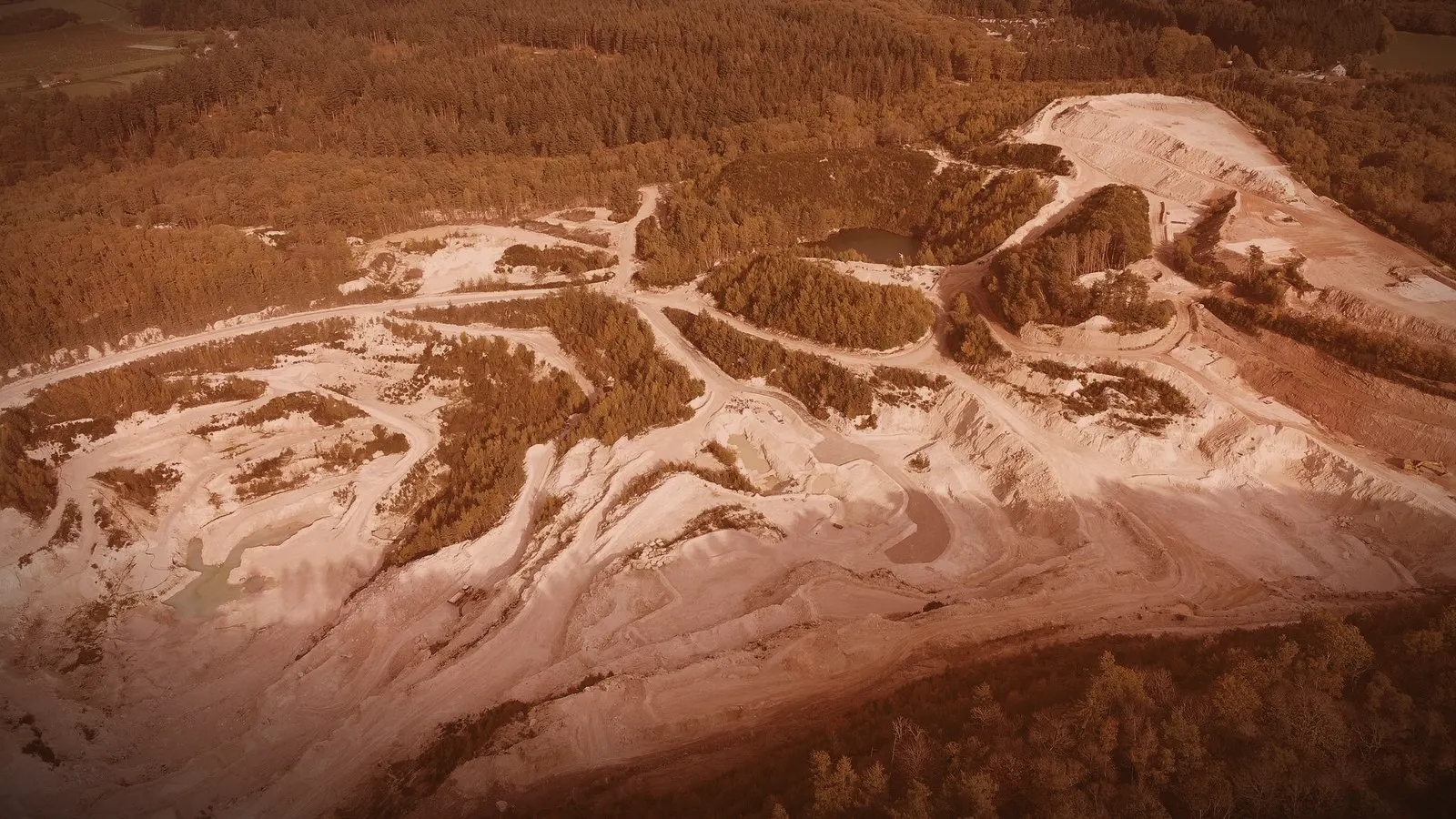
In Zvishavane, in southern Zimbabwe, the Zheli Mining lithium processing plant is operating at one-third of its capacity due to power outages, reported the specialized website Mining Zimbabwe on October 8, 2026. Installed in 2024 and in production since August 2025, the unit can process approximately 900 tons of ore per day across its two lines; when power is lacking, it drops to 300 tons or less.
Its Managing Director, Kudakwashe Zimondi, says he pays "$200,000 a month for electricity" even though the supply is unreliable, and admits that his teams are often forced to work at night to take advantage of the rare hours of power. The company has invested approximately $15 million and processes low-grade spodumene under an exclusive agreement with the Sandawana mine, which is state-owned via Mutapa Energy Minerals.
Half a billion dollars lost by the mining sector
Zheli's case is not isolated. According to a survey by the Chamber of Mines cited by Mining Zimbabwe, 99% of the companies surveyed experience unscheduled load shedding of about eight hours per day. Three-quarters of them estimate they are losing up to 10% of their potential production, and a quarter even more. In total, these interruptions represent nearly $500 million in lost revenue.
The ban on raw exports still stands
The timeline makes these outages all the more costly. Harare has decided to ban the export of lithium concentrates starting January 1, 2027, to ensure that processing takes place on Zimbabwean soil. In July 2026, Minister of Mines Polite Kambamura ruled out any exemptions: "We are sticking to January 1st," he declared, recalling that industrial players had been warned as early as June 2025.
Producers, for their part, are asking for more time. Represented by the Zimbabwe Lithium Producers' Association, they requested a postponement to mid-2027 in June 2026, through their president Innocent Rukweza, to allow time to complete their lithium sulfate plants, according to Reuters. To date, only the Huayou Cobalt unit at Arcadia is operational; those of Sinomine and Yahua remain under construction. Zheli is also working on a sulfate project with Chinese partners.
Processing locally, the real challenge
The stakes go beyond a single factory. Zimbabwe exported 1.128 million tons of spodumene concentrate in 2025, 11% more than in 2024, but with revenue remaining almost flat at around $513.8 million, as the drop in global prices offset the increase in volume. The firm Fastmarkets estimates Zimbabwe's 2026 production at 124,000 tons of lithium carbonate equivalent, nearly 7% of the global supply.
Capturing value rather than shipping raw rock: the strategy is clear, and it is one of the major economic battles on the continent. However, the factories meant to drive this must have electricity.
This article was written in French with the help of artificial intelligence from the sources cited below, then translated from French automatically. Read the original.
Sources
- Mining Zimbabwe — Power Shortages Leave Zheli Mining With Idle Lithium Capacity (8 octobre 2026)
- Mining Zimbabwe — Zimbabwe Rejects Lithium Export Ban Waiver, Maintains January 2027 Deadline
- MINING.COM / Reuters — Zimbabwe lithium miners ask for more time to build processing plants
- Fastmarkets — Zimbabwe imposes immediate ban on exports of raw minerals, lithium concentrates