Zimbabwe: The ZiG still fails to convince, central bank abandons its 2030 deadline
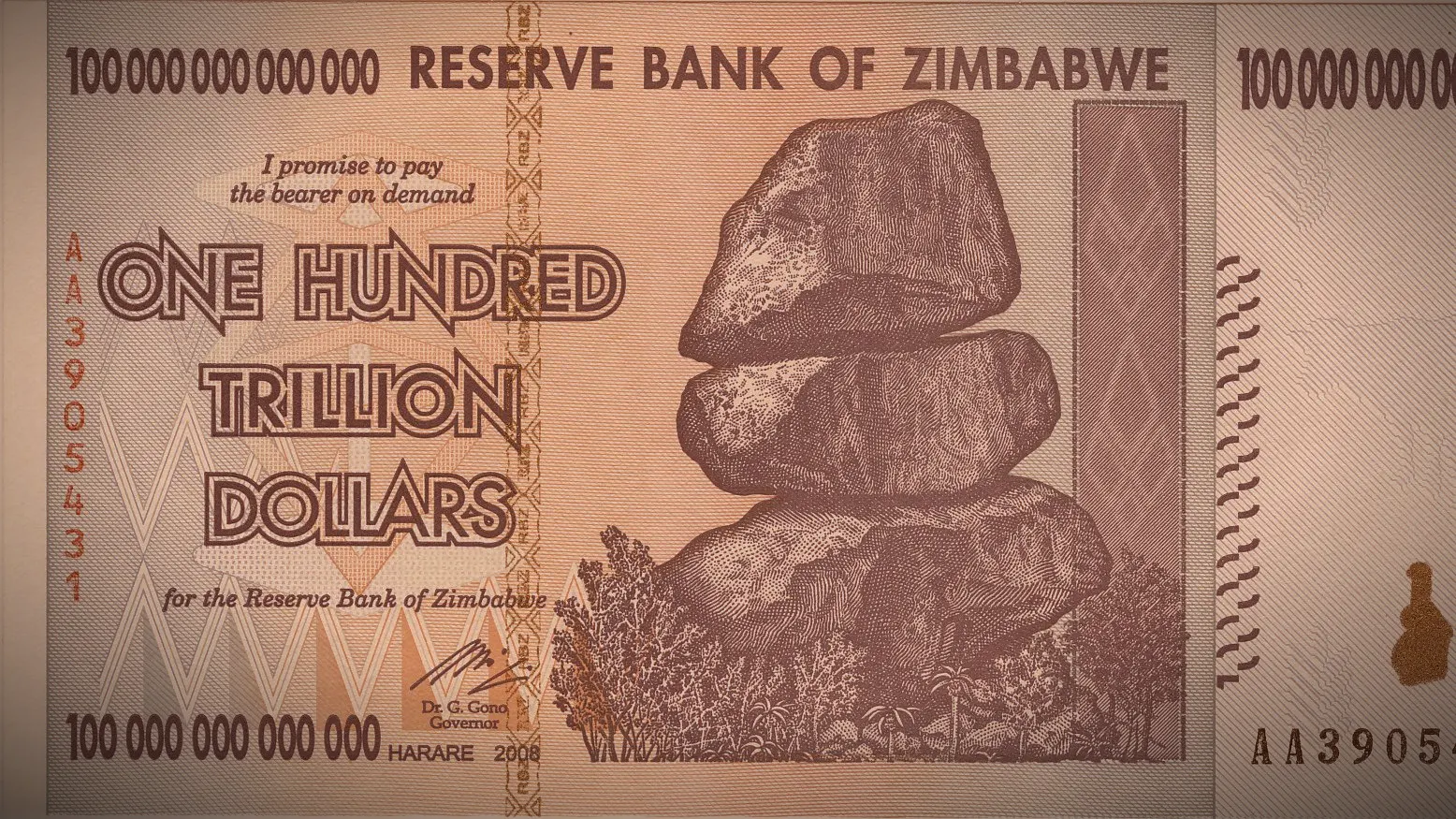
The Reserve Bank of Zimbabwe (RBZ) has abandoned its goal of imposing a single national currency by 2030 and is now banking on a gradual, market-driven transition, Al Jazeera reported on October 16, 2026. The admission is significant: launched in April 2024, the Zimbabwe Gold (ZiG) has failed to displace the US dollar from daily life.
The RBZ presents the ZiG as being backed by reserves of foreign currency and precious metals, including gold. On paper, the indicators hold up: annual inflation in ZiG stood at 3.7% at the last monthly reading, according to the central bank. In shops, the reality is different.
"Very sluggish"
Demand for the ZiG is "very sluggish," summarizes Zimbabwean economist Cornelius Dube, quoted by Al Jazeera, who considers de-dollarization possible but slow. Sesedzai Chigumira, a clothing merchant, says she has only made a handful of sales in the local currency. Charles Mbwandarikwa, a teacher, receives about a third of his salary in ZiG and exchanges it immediately for dollars.
A raw monetary memory
This reflex is not baseless distrust; it is experience. Charles Mbwandarikwa lost his retirement savings during the 2009 monetary crisis, when hyperinflation pulverized the Zimbabwean dollar. When the local currency returned in 2018, his salary fell from the equivalent of $540 to $40 before the end of the year, he tells Al Jazeera. Two generations of Zimbabweans have learned that savings in the national currency can evaporate.
What monetary sovereignty costs
The stakes go beyond Harare. An economy that invoices, saves, and borrows in another country's currency gives up a portion of its monetary policy: it controls neither its real interest rates nor the liquidity circulating within its borders, and it depends on foreign currency inflows. This is why de-dollarization has long been a goal of the Zimbabwean government.
But a currency cannot be decreed; it must be trusted. The RBZ's choice to let the market move at its own pace, rather than setting a deadline, is a recognition of reality: trust is rebuilt through price stability and sound public accounts, not by a calendar. For Zimbabweans, the concrete question remains the same at payday: in which currency will the value of their work hold up the following month?
This article was written in French with the help of artificial intelligence from the sources cited below, then translated from French automatically. Read the original.