African rail: AfDB and Germany sign agreement to lower the continent's transport costs
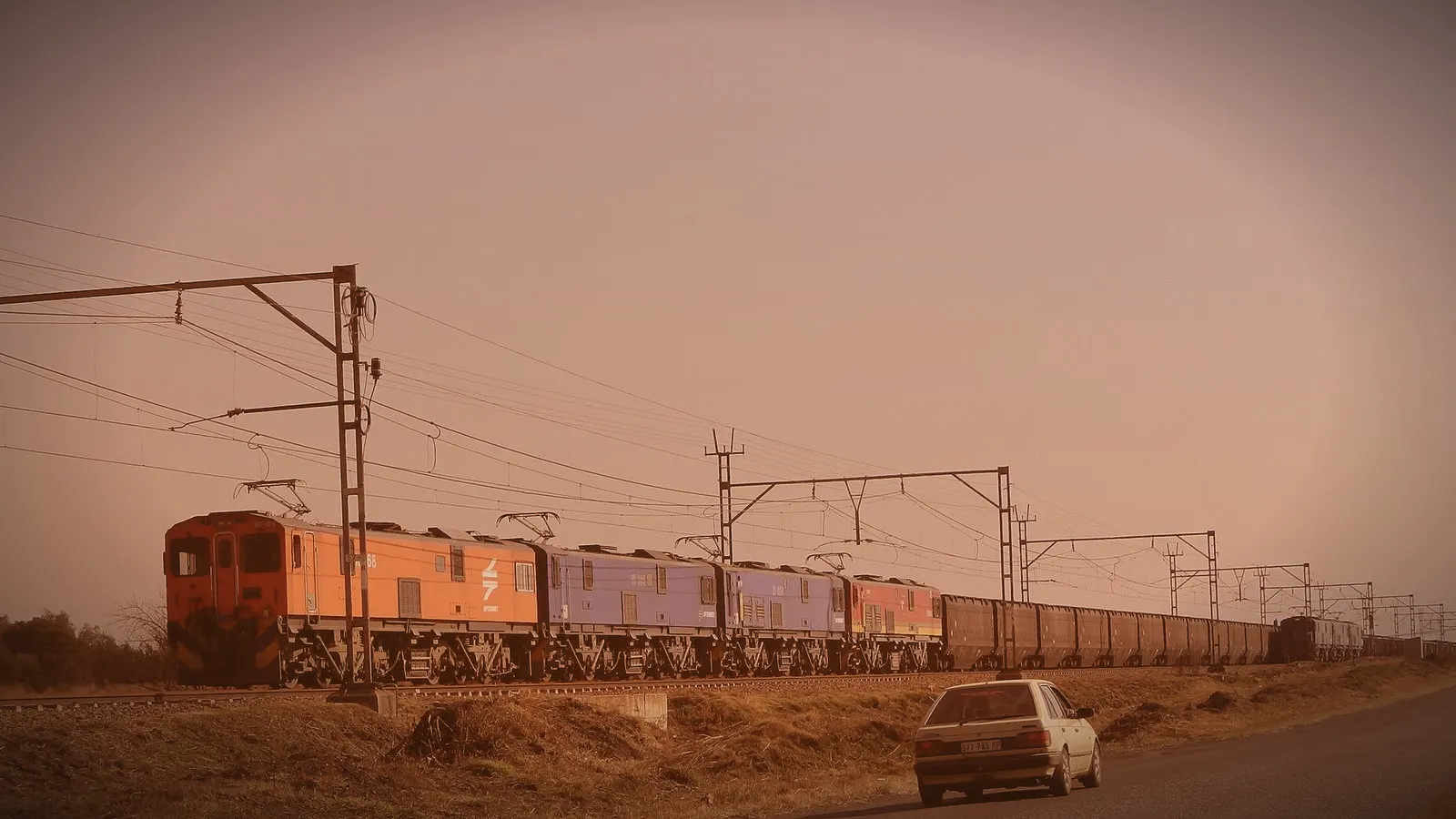
The African Development Bank (AfDB) and the German Federal Ministry for Economic Cooperation and Development (BMZ) signed a letter of intent on September 30, 2026, aimed at developing African railway networks, the pan-African institution announced. The signing took place during the first African-European Rail Industry Dialogue, organized on the sidelines of the InnoTrans trade fair in Berlin.
The document was initialed by Mike Salawou, Director of the AfDB's Infrastructure and Urban Development Department, and Michael Krake, Deputy Director-General at the BMZ. It establishes a framework for cooperation around four priorities: reducing transport costs, improving the interoperability of cross-border networks, promoting low-carbon transport solutions, and training skilled labor for the sector.
A continent running on asphalt
The figures reveal the scale of the lag. African rail accounts for only 8 to 10% of the global railway network, with approximately 90,000 kilometers of largely fragmented tracks, according to data cited by the Kenyan media outlet Eastleigh Voice. Above all, 80 to 90% of freight moves by road in Africa, compared to 20 to 30% in Europe and the United States.
This reliance on trucks comes at a price: it increases the cost of every good produced or consumed on the continent and weighs directly on the promise of the African Continental Free Trade Area, a market of more than 1.4 billion people that the AfDB cites as the horizon for these investments. Without railway corridors that connect to one another, intra-African trade remains trapped by borders and tolls.
Corridors already under construction
The AfDB mentions several existing projects upon which this cooperation could build: the Lobito corridor, standard gauge railways in East Africa, the Nacala corridor, the Algerian North-South rail link, the Moroccan high-speed line, and urban rail transport projects in Senegal and Nigeria.
The first concrete step announced is a joint feasibility study for an African Railway Center of Excellence, implemented by the German development agency GIZ, with a launch expected in October 2026.
However, this text must be read for what it is: a letter of intent, with no announced budget or construction schedule. The challenge for African states will be to transform this framework into funding and orders that also benefit the continent's industries and engineers—and not just European equipment manufacturers who came to exhibit in Berlin. The training of an African railway workforce, written in black and white in the agreement, is the clause to watch from this perspective.
This article was written in French with the help of artificial intelligence from the sources cited below, then translated from French automatically. Read the original.