Borno: An association records 10,000 missing persons and supports 600 orphans in Maiduguri
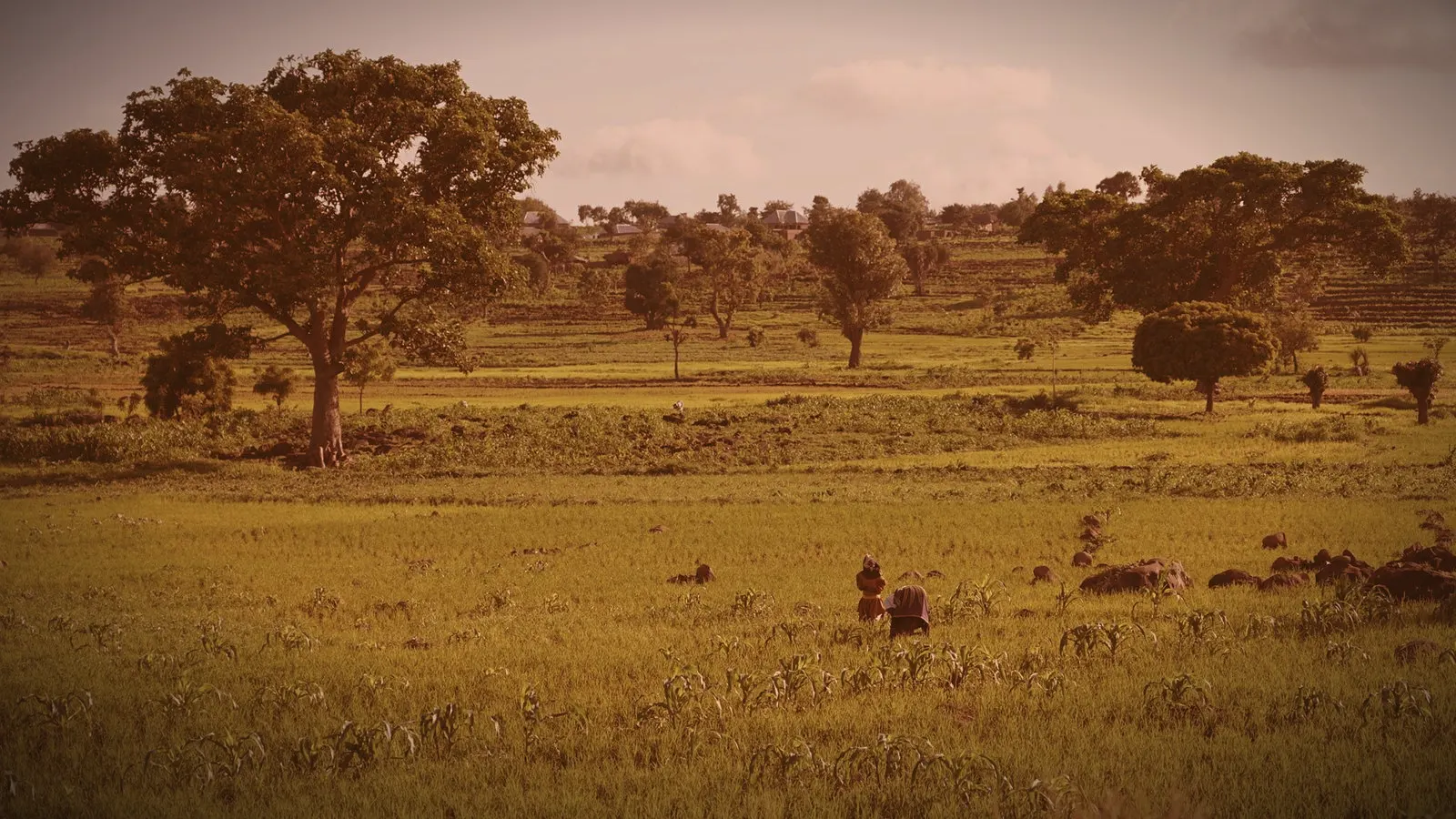
In Maiduguri, the capital of Borno State in northeastern Nigeria, an association of families of displaced and missing persons has recorded approximately 10,000 disappearances in Borno State alone, according to a report published by Al Jazeera on October 25, 2026. Created in 2023 and registered with the Corporate Affairs Commission in 2025, the group meets monthly, and many families have yet to report their missing relatives.
Its president, 39-year-old Kashim Mohammed, has been searching for his younger sister, Falmata, since 2011. She was traveling with their mother from Maiduguri to Port Harcourt when unidentified armed men abducted them, he told Al Jazeera. Years later, a stranger told him at the Baga Road market that Falmata was in Benin; the man left without providing contact details, and the information could never be verified. Their father, Mohammed Kolo, an employee at the State Specialist Hospital in Maiduguri, died at 60 without ever knowing her fate.
"Bakura" sold cosmetics
Muhammad Alhaji Bashir, 29, was about 14 years old when his older brother, Adam Muhammad Bashir—whom everyone called Bakura—disappeared around 2012 or 2013. Bakura sold cosmetics at a city market and was studying civil engineering at Ramat Polytechnic. The family went as far as the Bulumkutu rehabilitation center, but no one recognized him. Their parents died without answers.
Records kept by the families themselves
Local advocates suggest the figure of 17,000 missing persons for the whole of northern Nigeria. Al Jazeera notes that the sources, time periods covered, and methods for these estimates have not been independently verified. The conflict linked to Boko Haram began in 2009 and has caused mass abductions and displacements. Seventeen years later, it is the families themselves who are keeping the tally.
The International Committee of the Red Cross and the Nigerian Red Cross support search and family reunification efforts; the ICRC has distributed relief supplies and provides the association with notices bearing the names of missing persons. The association itself supports some 600 orphaned children, some of whom have dropped out of school due to a lack of resources.
The 2024 floods in Maiduguri submerged part of the Ngarnam neighborhood and destroyed photographs that families were using to help identify their loved ones. Searching without a picture means searching twice as hard.
No official action is mentioned in the report. Yet, the right to know what happened to one's relatives is not a favor; it is an obligation that the Nigerian state and its partners owe to the people of the Northeast. As for Kashim Mohammed, he has left a message for his sister: the family is still in Bolori II, and they are waiting.
This article was written in French with the help of artificial intelligence from the sources cited below, then translated from French automatically. Read the original.