Gambia: Muhammed Krubally, the country's first blind magistrate, has presided over more than 1,000 cases
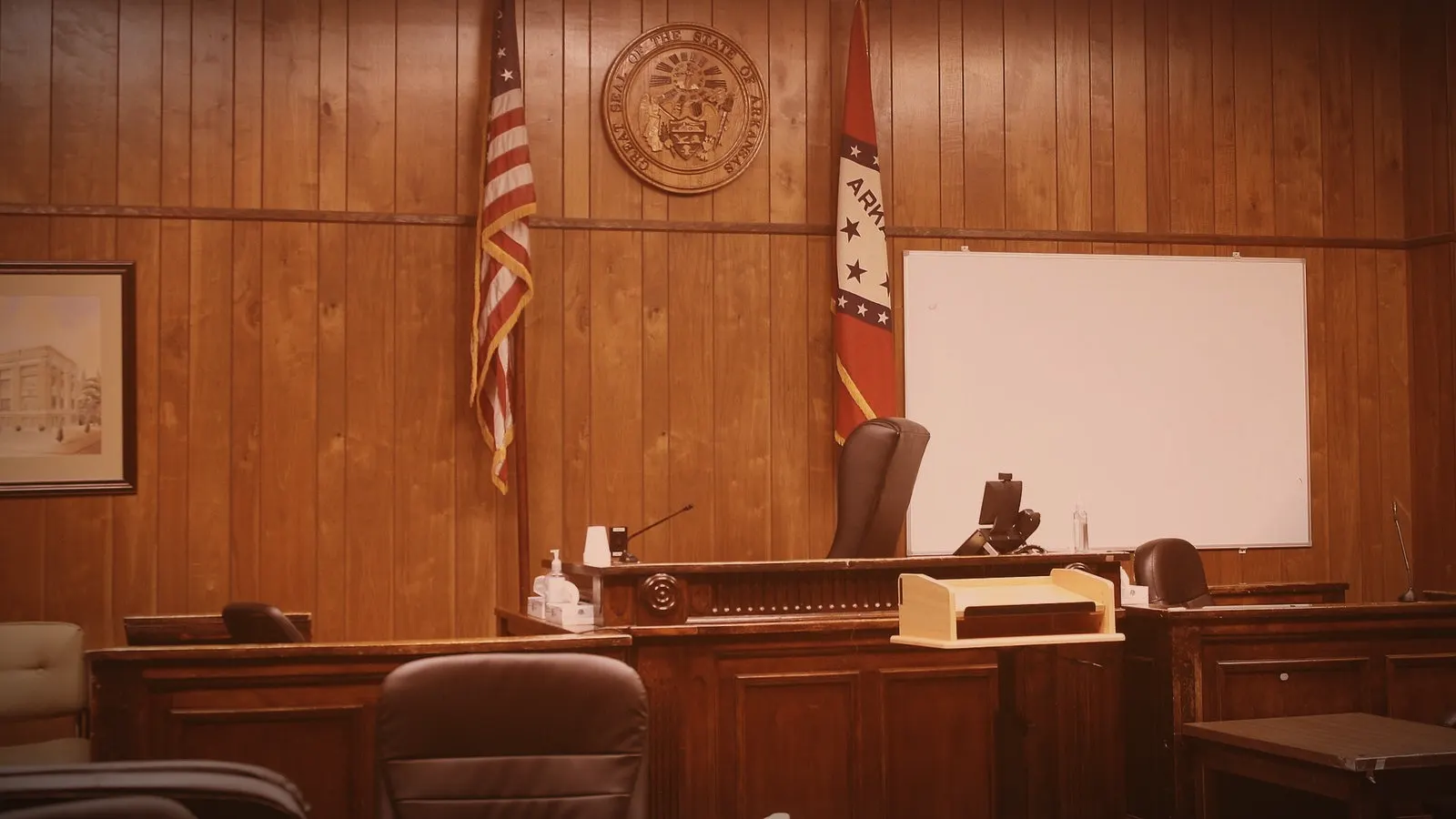
Muhammed Krubally, 41, sits at the Banjul Magistrates' Court in The Gambia and has presided over more than 1,000 civil and criminal cases since his appointment. He is the country's first blind magistrate, having joined the judiciary in 2016 according to the Gambia Organisation of the Visually Impaired (GOVI), as detailed in a profile published by Al Jazeera on October 26, 2026.
The second of nine children, he grew up in a village in the Central River Region and wanted to become a lawyer to defend his own rights and those of other persons with disabilities. In court, he relies on his clerk, his memory, close attention to the proceedings, and JAWS, a screen-reading software. "I became a magistrate to change the system and make it inclusive," he explained to Al Jazeera.
A law passed, implementation lagging
In 2021, The Gambia passed a Persons with Disabilities Act, which establishes principles of independence, non-discrimination, full and effective participation, equal opportunities, and accessibility. It covers employment, public buildings, services, information, and access to justice.
Five years later, implementation remains an uphill task. Lamin Colley, who runs a specialized center, believes that little has changed since the legislation was passed, according to Al Jazeera. In this center, 49 students aged 4 to 14 are enrolled, but a shortage of equipment and funding undermines their progress, and a single specialized teacher cannot cover students spread across multiple institutions. The National Human Rights Commission points to persistent barriers in accessing education, employment, and services. When contacted by the media outlet, the relevant ministry and the judiciary did not respond regarding the accommodations available.
Being counted to exist
The country has an incomplete picture of the true extent of the situation. The 2013 census estimated the disability prevalence rate at 1.2%, or 21,873 people, but it did not use the Washington Group questions, which typically leads to an underestimation of the figures. The preliminary report of the 2024 census does not provide more recent detailed data.
Being present is not enough
The Al Jazeera profile also reveals that access to institutions does not guarantee genuine participation. Lawmaker Ndey Yassin Secka-Sallah recounts having long depended on her colleagues to know what was being discussed during sessions. Meanwhile, academic Musa Barrow faces doubts from his students regarding his abilities, but believes that technology has broken down that barrier.
As president of the Gambia Federation of the Disabled, Krubally now mentors visually impaired youth. His motto comes down to four words: "disability is not inability."
This article was written in French with the help of artificial intelligence from the sources cited below, then translated from French automatically. Read the original.