Niger: Fuel sales banned from 9 p.m. to 6 a.m. in a country pumping 90,000 barrels a day
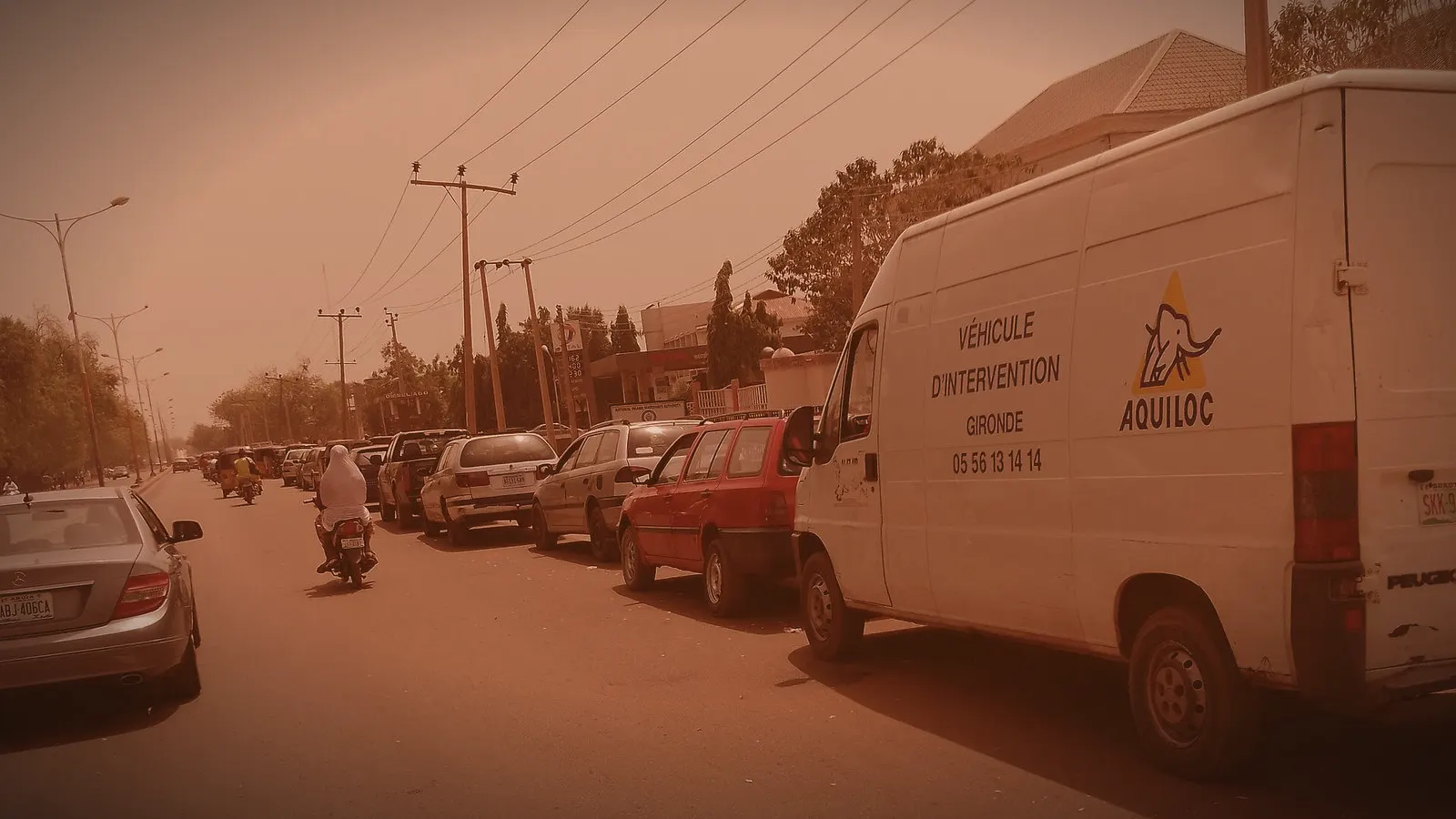
The government of Niger has banned gas stations from selling fuel between 9 p.m. and 6 a.m. across the country, except at a few designated stations, in an attempt to regain control over a fuel shortage that has lasted for weeks. The measure, presented as temporary, was reported by Africanews on October 25, 2026: the night hours are to be used for restocking tanks. The sale of fuel in jerrycans outside of stations is also prohibited wherever a station exists.
An oil-producing country running out of fuel
Niger has been extracting crude oil since 2011 and produces approximately 90,000 barrels per day in the Agadem area, in the northeast. However, it has only one operational refinery, the one in Zinder, with an installed capacity of 20,000 barrels per day, according to the Ministry of Energy as cited by AFP.
The gap is striking: it produces 1.6 million liters per day while national consumption can reach 3 million, the then-director general of the Nigerien Petroleum Products Company (Sonidep) explained on October 6, 2026. Over the first eight months of 2026, the deficit reached 196.62 million liters of premium gasoline. A decree on October 12, 2026, banned exports, following the halt of deliveries to Chad, Burkina Faso, and Mali in March-April.
Entire nights in line
In Niamey, a city of two million inhabitants, the shortage set in mid-October after the publication of an official list of stations still being supplied: they were stormed. Aïcha, a resident of the Poudrière neighborhood, told AFP she waited from 9 p.m. to 3 a.m. before being served. Elsewhere, police are reportedly limiting purchases to two liters for motorcycles and ten liters for cars, particularly in Zinder and Maradi. Ganda Sanda, from the taxi union Synctaxi, is calling for more flexibility for professionals.
A crisis of governance as much as energy
On October 9, 2026, General Abdourahamane Tiani, in power since July 2023, dismissed the director general of Sonidep by decree, without providing a public reason. His successor, Fatimata Marafa Salifou, summarized the frustration: "They say Niger has oil, but we continue to suffer," she stated, according to AFP.
Sonidep, which holds the monopoly on distribution, must now import fuel. The decline in Nigerian smuggling, which was more expensive since the end of subsidies in Nigeria and had accounted for up to half of the Nigerien market, has deprived the country of a massive buffer. A price hike at the pump remains off the table: in a country of 28 million people, it would be politically explosive.
This article was written in French with the help of artificial intelligence from the sources cited below, then translated from French automatically. Read the original.