Burkina Faso: Lawmakers ban the privatization of strategic public enterprises
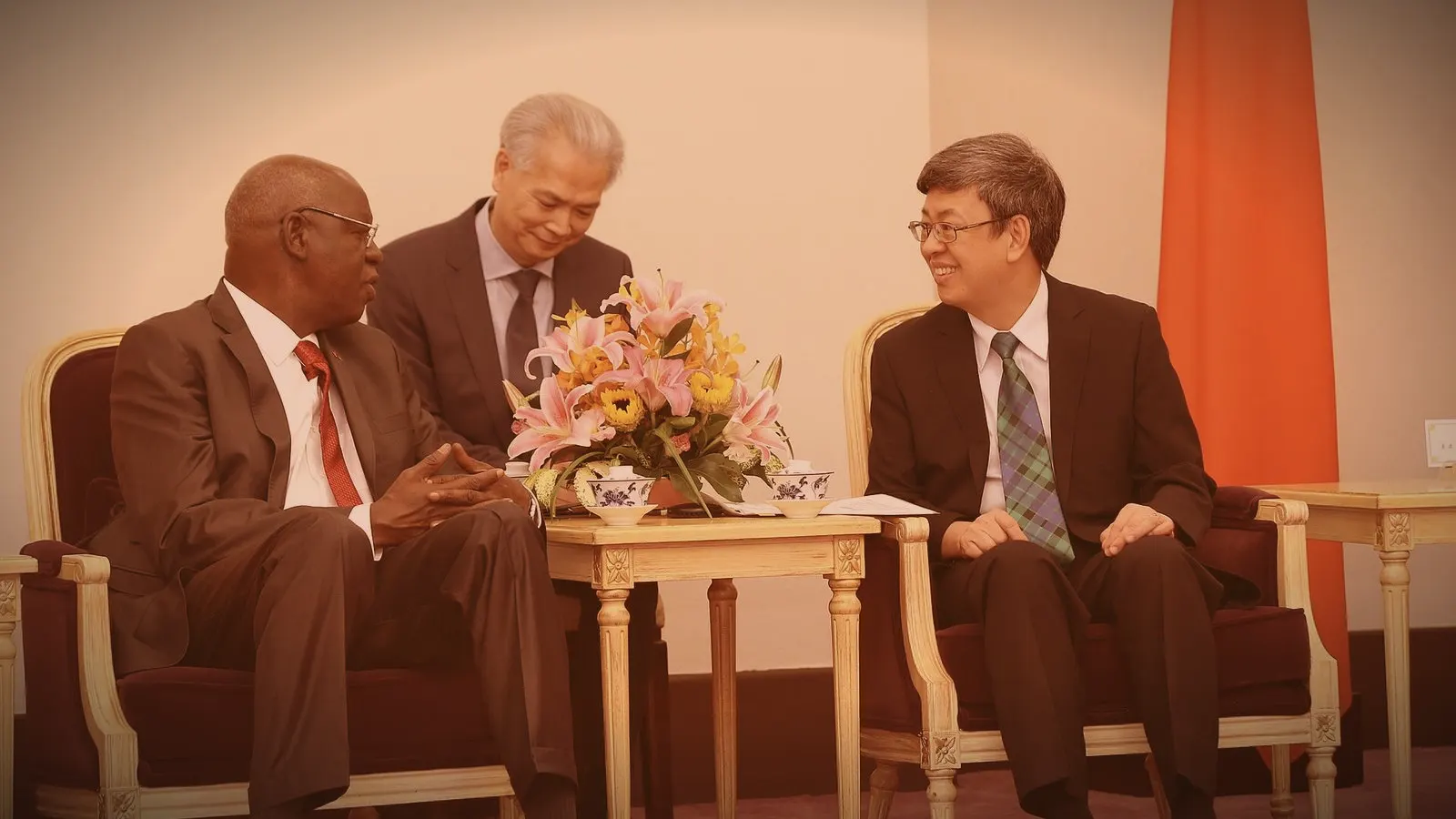
The Legislative Assembly of the Transition (ALT) of Burkina Faso adopted a bill on Monday, October 19, 2026, in Ouagadougou, defining and determining economic, commercial, and industrial entities of a strategic nature. The text prohibits the total or partial privatization of public structures recognized as strategic, reports Burkina 24.
What the text changes
The law first establishes criteria: an enterprise or sector is declared strategic if it concerns national sovereignty, national security, or the country's social and economic stability. Once this label is applied, sale to the private sector becomes impossible. Furthermore, the State is granted the right of supervision and control over these entities, as well as the possibility of acquiring equity in private companies deemed strategic or strengthening its presence within them.
Before the lawmakers, the Minister of Commerce, Industry, and Crafts, Serge Poda, explained that the text "marks much more the importance of protecting" these entities, both public and private, in the name of the general interest. He also took care to dismiss a maximalist interpretation: according to him, the law does not aim to systematically regain control of all companies privatized in the past.
A 1993 law deemed insufficient
The vote corrects a framework that is more than thirty years old. Law No. 53 of December 1993 already listed economic and commercial enterprises of a strategic nature—about fifteen, in energy, gold, telecommunications, defense, and airport infrastructure—but it did not prohibit their privatization, notes the press review of Francophone Africa published by allAfrica on October 20, 2026. It is precisely this void that the new law intends to fill.
A decision to be put to the test
The measure is part of the sovereignist shift adopted by the Burkinabe authorities regarding resources and public services. It poses a simple and long-standing question on the continent: who should hold the levers of an economy, the State or external buyers? By prohibiting the sale rather than organizing a takeover, Ouagadougou chooses to lock in the future without reopening the past.
Unknowns remain. The adopted texts do not, at this stage, name the companies concerned: the list will depend on the application of the criteria. And legal protection does not resolve the performance of state-owned companies, their governance, or their need for financing. On these points, the Burkinabe debate is only just beginning.
This article was written in French with the help of artificial intelligence from the sources cited below, then translated from French automatically. Read the original.