Casablanca: The inaugural Le Matin Literary Prize also honours a work in the Amazigh language
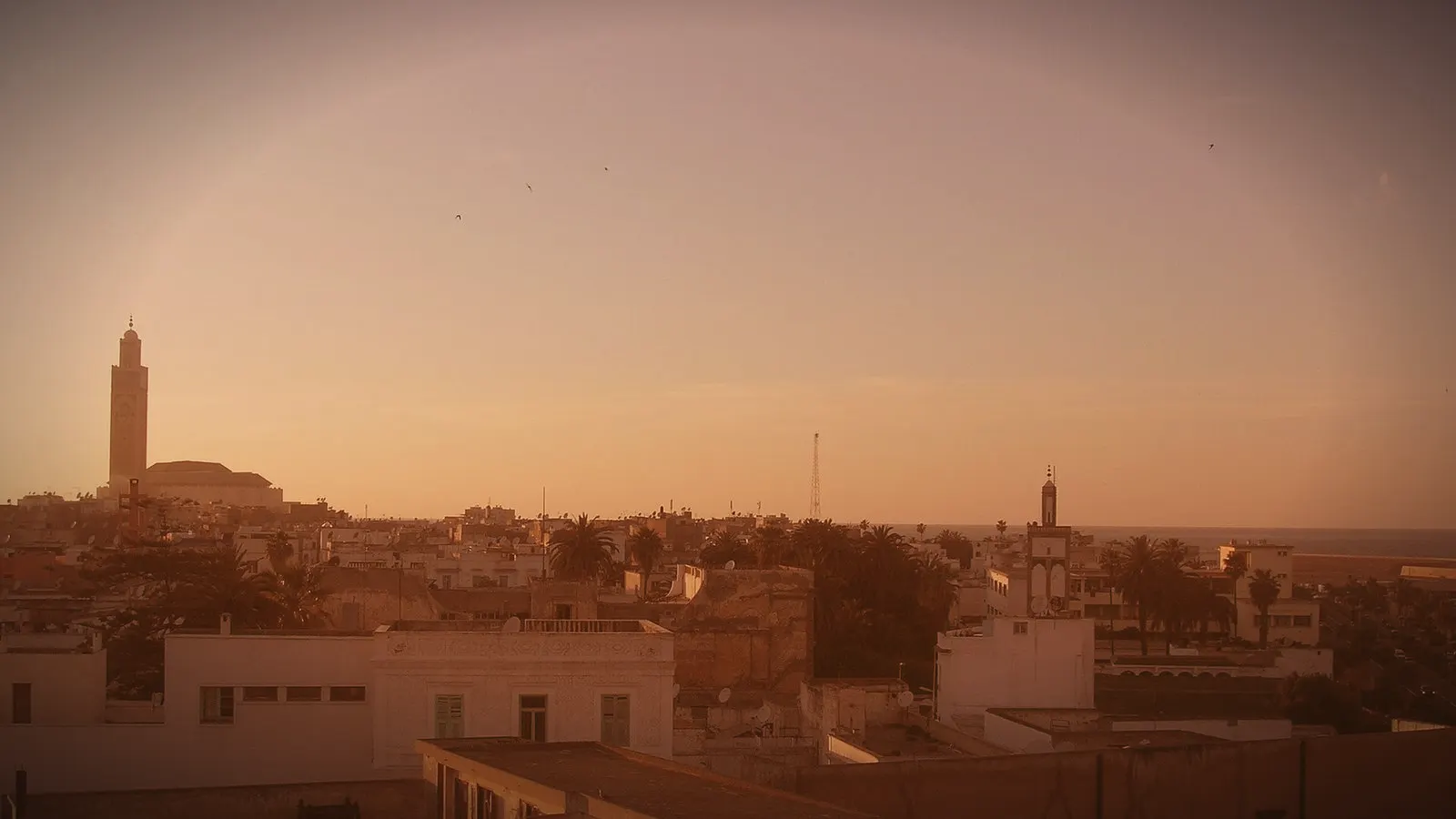
The inaugural Le Matin Literary Prize was awarded on October 30, 2026, in Casablanca, during the opening night of the second edition of the Festival de la Rentrée littéraire Le Matin. The prize honours literary creation in three languages: French, Arabic, and Amazigh, with the latter category supported in partnership with the Royal Institute of Amazigh Culture (IRCAM), according to Le Matin and Femmes du Maroc.
This is the most notable aspect of this new award: an African language enters the framework of a national literary prize right from the start, on equal footing with Arabic and French, rather than as a side category. Neither Le Matin nor Femmes du Maroc disclosed the names of the winners, the composition of the jury, or the prize money.
Two days at the Mechouar Palace
The festival is taking place on October 31 and November 1, 2026, at the Mechouar Palace in Casablanca. Organized by Groupe Le Matin through its Book Club, the entire programme—featuring panel discussions, debates, workshops, and book signings—is free to attend.
The panel discussions, conducted in French and Arabic, focus on the history of the Habous bookstores in Casablanca, the novel facing global changes, the links between literature and cinema, poetry, and the triangle of history, memory, and fictional invention. One session is dedicated to access to books and the role of bookstores, reading clubs, and digital initiatives in promoting Moroccan literature.
Learning the book trade
The programme also highlights the craft of bookmaking, featuring writing workshops in French, Arabic, and English, as well as sessions on comics, manga, dramatized readings, and introductions to philosophy and critical thinking. Practical sessions cover the journey of a manuscript to publication, publishing contracts, and copyright—topics rarely discussed publicly with young authors on the continent, even though a lack of understanding of contracts remains a primary cause of financial instability for African writers.
A book village houses a bookstore, partner stands, and a children's area. The two days feature book signings, a performance centered around melhoun—Morocco's popular poetic song tradition—and storytelling sessions. The full programme is available on the festival website.
It remains to be seen whether this inaugural edition of the prize will establish itself over time, and whether the Amazigh category will attract enough manuscripts to inspire similar initiatives elsewhere on the continent, where hundreds of African languages still lack any literary distinction to their name.
This article was written in French with the help of artificial intelligence from the sources cited below, then translated from French automatically. Read the original.