Central African Republic: 19 convicted and $4.15 million missing, the Special Criminal Court threatened with extinction
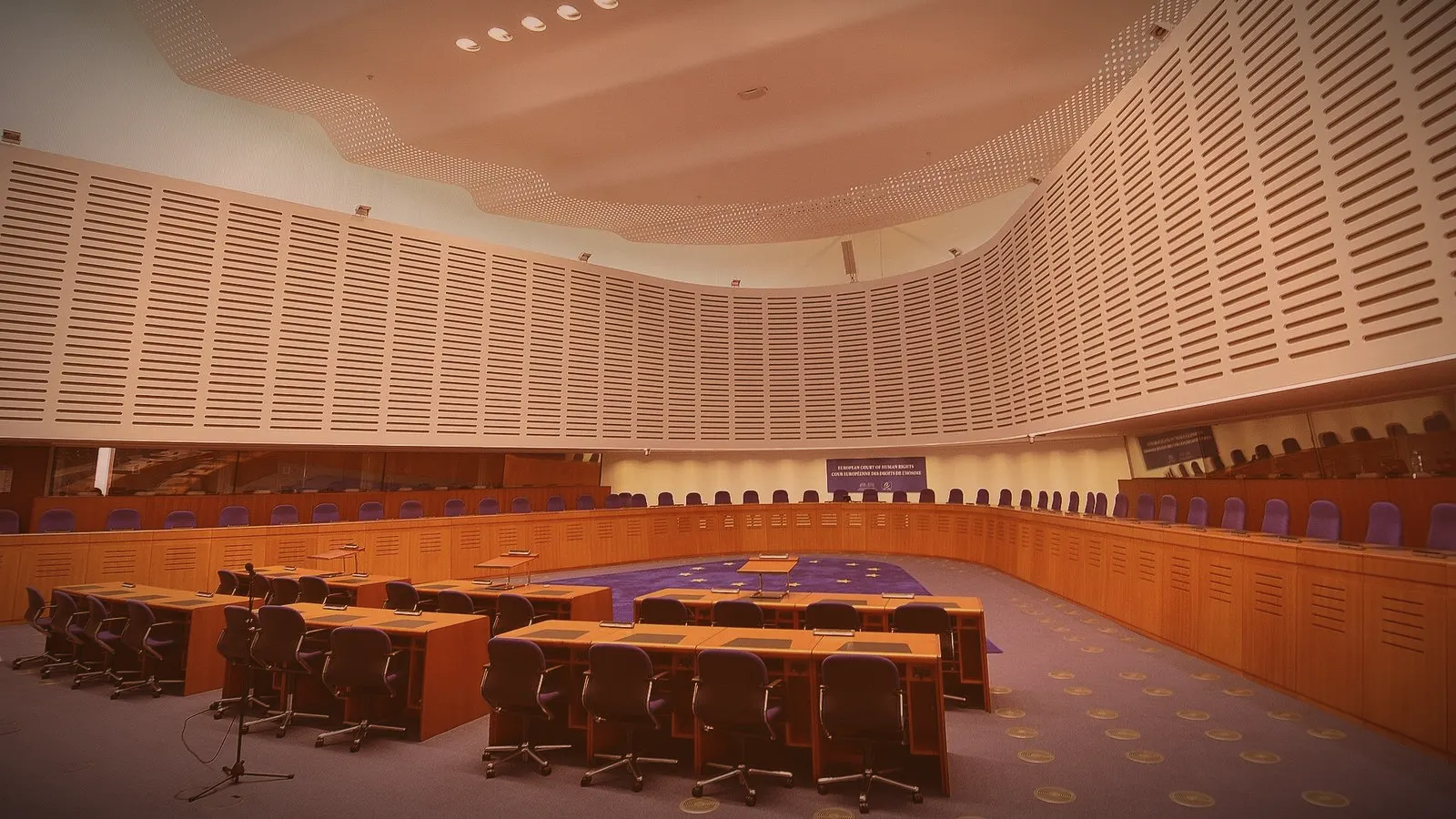
The Special Criminal Court (SCC) of the Central African Republic, the jurisdiction in Bangui that tries war crimes committed in the country, risks extinction due to a lack of funds: this is the conclusion of an Amnesty International report published on October 27, 2026, titled "The perpetrators are still here." The organization conducted a mission in Bangui in April 2026 and interviewed 63 people.
Inaugurated on October 22, 2018, the SCC is a hybrid court: Central African magistrates and prosecutors sit alongside foreign colleagues, with support from the United Nations. It has jurisdiction over international crimes committed in the Central African Republic since 2003. Its second five-year mandate began on October 22, 2023, and ends in October 2028.
A court that had begun to deliver justice
Its results are not insignificant for an eight-year-old jurisdiction. It has examined six cases; in the first four, at least in the first instance, 19 people were convicted of war crimes and crimes against humanity, and victims were awarded reparations in one case. The verdict for the fifth case, related to the 2014 attacks in Guen in the west of the country, is expected in December. The trial known as the Bossembélé trial, which notably targets former president François Bozizé, is ongoing: Bozizé lives in Guinea-Bissau, other suspects under arrest warrants are in Chad, and dozens of people are still being sought.
Washington's departure has emptied the coffers
The United States withdrew its financial support in 2025, and more than $4.15 million in commitments remain unpaid, according to the report. The UN and the European Union are now the only contributors. Between August and September 2025, the court laid off a quarter of its staff, including foreign experts. The witness protection unit lost more than half of its personnel, which exposes those who agreed to speak out. The prosecutor's office can no longer open new investigations, and the chambers are accumulating delays.
"Victims are beginning to lose hope"
Amnesty is calling on the Central African authorities to extend the court's mandate beyond October 2028, and for the UN, the EU, and partner states to fund it through multi-year commitments and to execute arrest warrants. The findings were shared with them on October 6, 2026: there was no response by the time of publication. Representatives of victims say that survivors want to see those responsible tried and imprisoned, but that they are losing faith.
If the SCC closes, not much will remain. The massacres, rapes, and looting of 2002-2003 and the murders, rapes, and enforced disappearances of 2012-2014 remain largely unpunished. National courts lack the resources and independence to take over these cases, and the International Criminal Court announced the closure of its two Central African investigations in December 2022. An African justice system that stands on budgets decided elsewhere can be shut down from elsewhere.
This article was written in French with the help of artificial intelligence from the sources cited below, then translated from French automatically. Read the original.