South Africa: Ramaphosa prepares the country for the loss of AGOA, his ambassador calls for "direct dialogue"
South Africa's ambassador to the United States, Roelf Meyer, called for the opening of a "direct dialogue" with Washington on October 26, 2026, in Cape Town, on the sidelines of the presentation of his political memoirs. "There is at the moment, unfortunately, a tension. The relationship is strained," he acknowledged, as quoted by Africanews, while asserting that "it is important to maintain good relations" with the United States.
The choice of the man says something about the method: Meyer was the chief negotiator for the white government during the talks that ended apartheid. Appointed to Washington in April, nearly a year after the expulsion of his predecessor, he believes that discussions can evolve into a dialogue and then a negotiation.
AGOA, the concrete issue
Behind the words lies a trade issue. South Africa risks being excluded from AGOA, the U.S. program that opens the U.S. market duty-free to African countries. The mechanism has been extended until December 2028, but it is reviewed annually—and U.S. officials have proposed removing Pretoria from it.
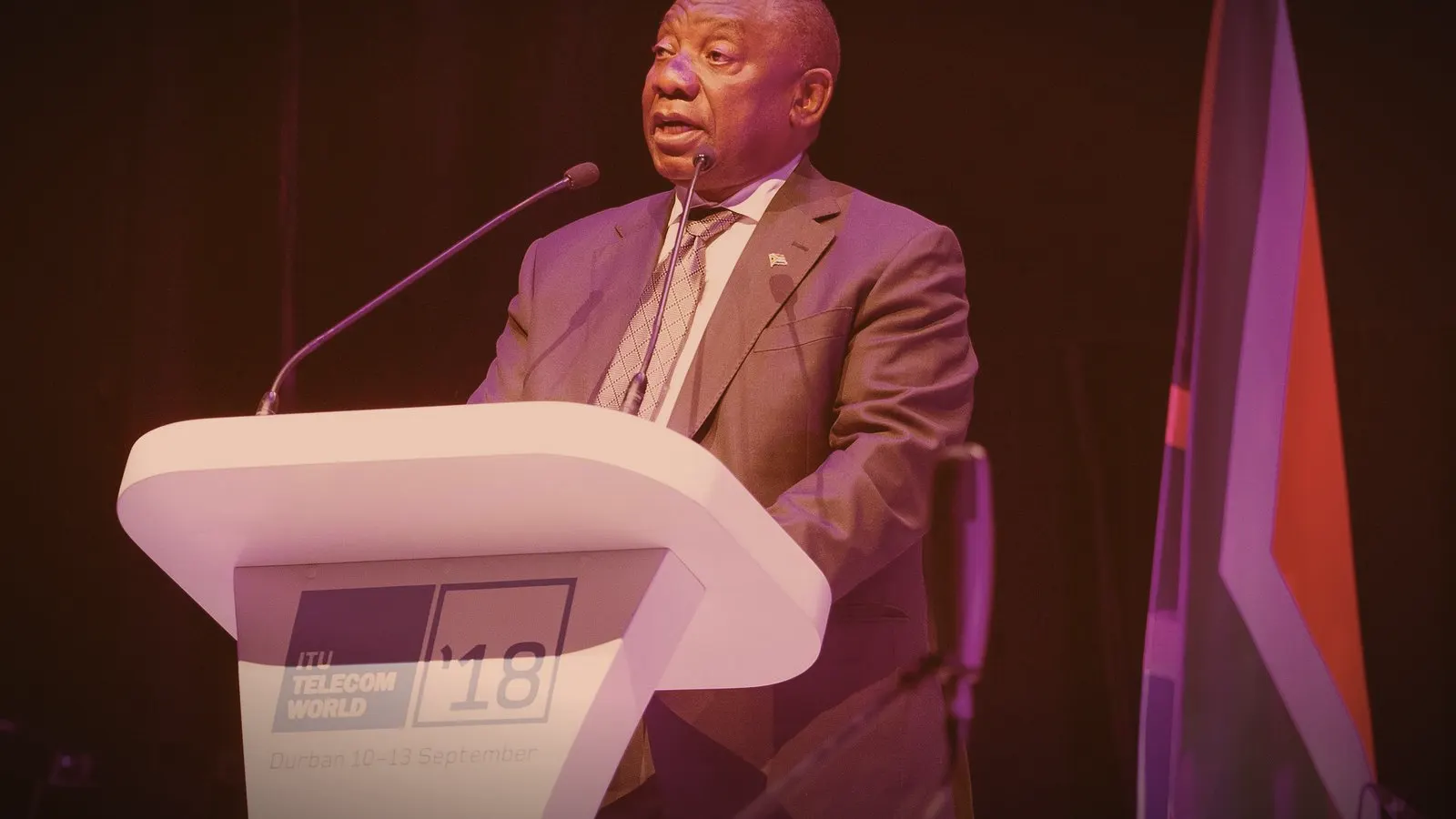
President Cyril Ramaphosa publicly prepared public opinion for this loss on October 20, 2026, according to Reuters. He said he did not know if his country would remain in the program and deemed the effect on employment "devastating." "I need, as president, to prepare us if it happens one day," he declared. His government is in discussions with its American counterparts.
About trade, and not just trade
The two countries are at odds over race, trade, and diplomacy. Donald Trump has repeated accusations of "genocide" against the Afrikaner minority, which Africanews describes as discredited, and his administration launched a program last year to resettle white Afrikaners who claim to be persecuted. Washington has reduced its aid, imposed tariffs, and Trump boycotted the G20 summit in Johannesburg in 2025. In mid-September, the United States announced visa restrictions against South Africans accused of promoting "race-based discrimination," inciting violence, or allowing land confiscations without compensation. Washington also refused to accredit Pretoria for G20 meetings organized on its soil, including the December summit.
Seeking clients elsewhere
Ramaphosa and Vice President Paul Mashatile have made numerous trips to prospect for other markets. The president cited as progress a trade agreement with China, which implemented a duty-free regime for eligible South African products in May.
The South African case is of interest to the entire continent: preferential access granted unilaterally, and revisable each year by the country that grants it, is an advantage but not a security. Africa's leading industrial economy is discovering that it must diversify its outlets so as not to depend on a decision made in Washington.
This article was written in French with the help of artificial intelligence from the sources cited below, then translated from French automatically. Read the original.