COMESA: Mnangagwa takes the presidency of the 21-state bloc and wants to end the export of raw minerals
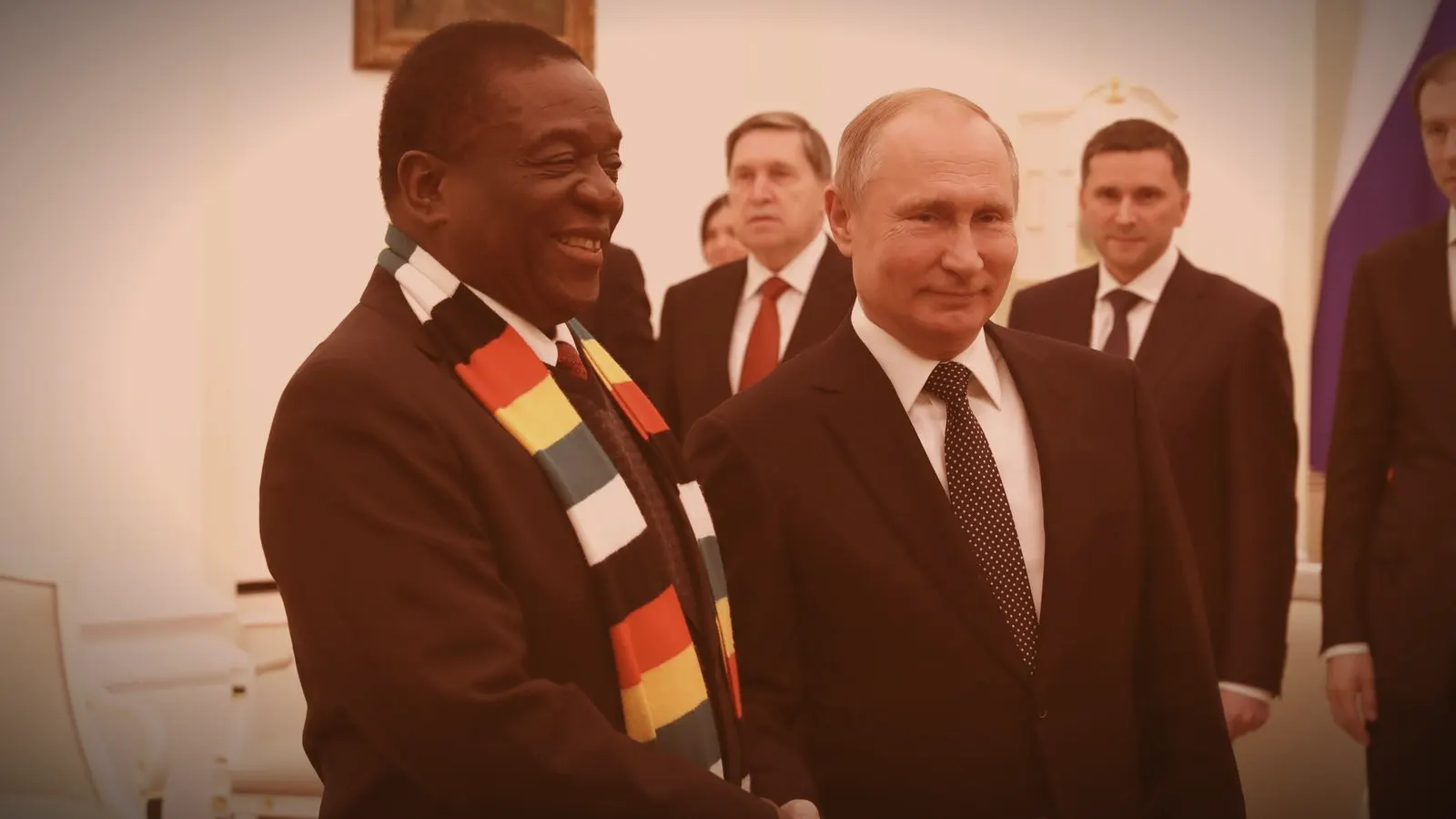
Zimbabwean President Emmerson Mnangagwa assumed the rotating presidency of the Common Market for Eastern and Southern Africa (COMESA) on October 22, 2026, in Harare, succeeding Kenya's William Ruto during the organization's 25th summit of heads of state, which brings together 21 countries. In his speech, he called on member states to stop exporting their raw materials in their unprocessed state, reports the website New Zimbabwe.
"Processing on-site"
Local processing of resources must create jobs, support industry, and improve living conditions, he argued. He cited the example of Zimbabwe's policy requiring the processing of minerals within the country, which he claims has produced "a multiple increase in the value of our minerals." The continent's natural endowments must serve industrialization and "create jobs," he added.
The program he announced for the duration of his term consists of a few key projects: agro-processing, cross-border agricultural and industrial parks, harmonization of supply chains, strengthening of regional value chains, and adapting agriculture to climate change, which is presented as central to food security and sovereignty.
A summit focused on industrialization
The 25th summit was held in Harare under the theme "One Market, One Future: Advancing Inclusive Industrialization, Investment, and Regional Integration within COMESA," according to the Kenyan daily The Standard. The proceedings focused on regional integration, peace and security, the implementation of the African Continental Free Trade Area (AfCFTA), industrialization, and the value addition of natural resources. William Ruto, who arrived in Harare on October 21, 2026, had been elected to the bloc's presidency in 2025, succeeding Burundi's Évariste Ndayishimiye.
The test of implementation
The rhetoric is not new: the export of raw minerals has for decades deprived African economies of the most lucrative part of the chain, that of processing and manufacturing. COMESA, whose members stretch from Egypt to Zimbabwe, represents a considerable market, but regional integration is hampered by infrastructure, energy, and non-tariff barriers.
The commitment will be judged by actions, including in Zimbabwe, where the governance of the mining sector is regularly challenged. For the citizens of the 21 member states, the question boils down to a simple point: will the value added remain on the continent, and in what form will it return to them?
This article was written in French with the help of artificial intelligence from the sources cited below, then translated from French automatically. Read the original.