Congo Basin: Archives reveal warming as early as the 1960s
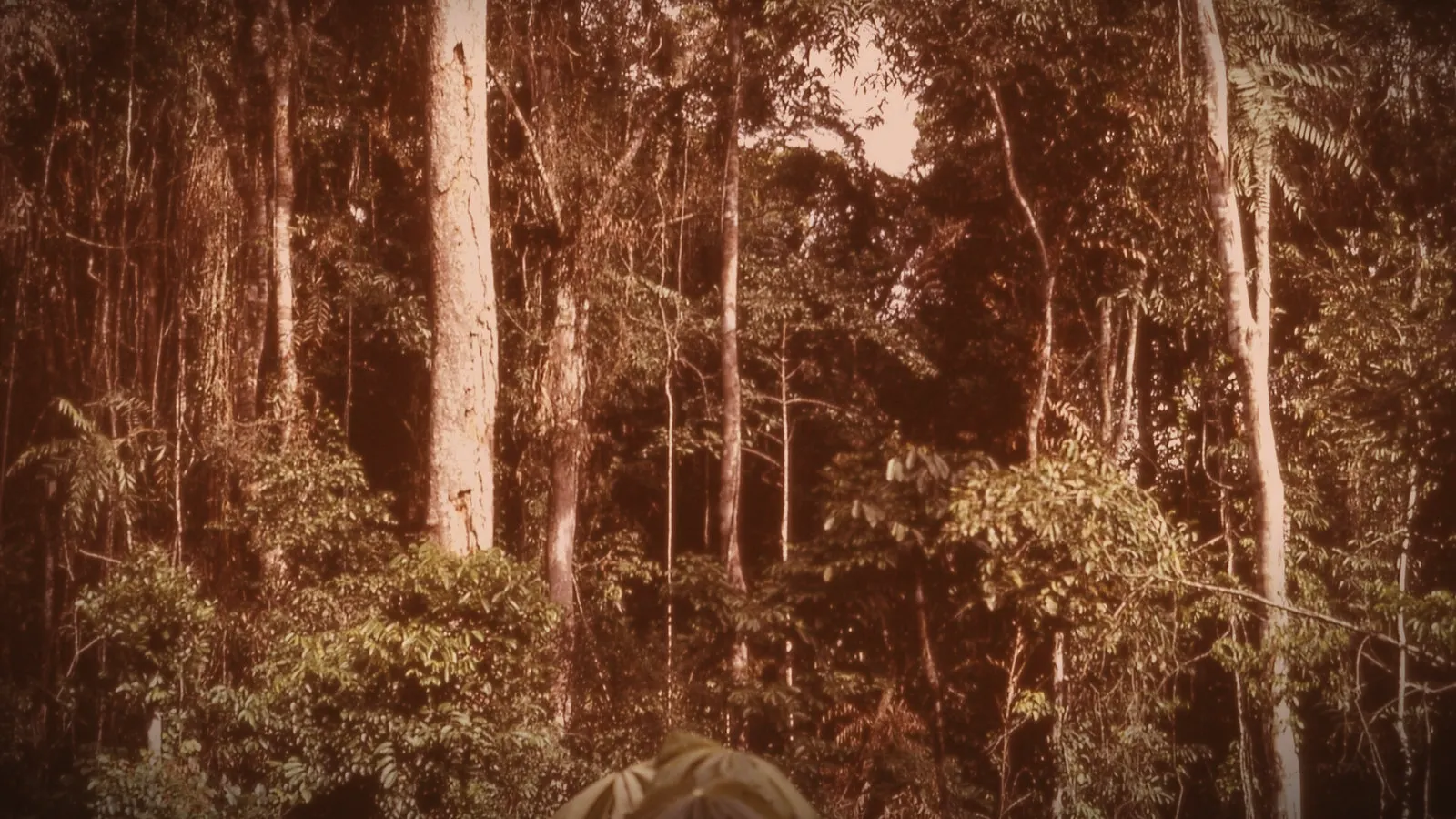
The Congo Basin was already recording a marked rise in temperatures during the 1960s. According to a study published on October 12, 2026, in the scientific journal Earth System Dynamics, this finding is based on the analysis of nearly 10,000 handwritten meteorological record sheets, recovered and digitized in the Democratic Republic of Congo (DRC).
These precious documents were kept in the archives of the National Institute for Agronomic Study and Research (INERA), located in Yangambi. This scientific discovery helps fill a major historical gap, as the lack of old data had long prevented the precise measurement of climate change in this forest zone, which is crucial for the continent.
The study highlights an increase in maximum temperatures of approximately 0.7°C between 1961 and 1990 in the Congo Basin. Researchers also noted an increase in episodes of heavy rainfall at certain meteorological stations, although these data do not yet allow for the definition of a global climate trend for the entire region.
In addition to documenting the past, these archives constitute an essential resource for contemporary scientists. The goal is now to integrate this historical information into current models to better anticipate future dynamics and support adaptation strategies for local populations facing the consequences of climate change.
Our perspective
The rediscovery of these national archives underscores the vital importance of African scientific sovereignty. By valuing the data preserved by INERA, African researchers are regaining control over the understanding of their own ecosystem. This approach is an essential lever for the countries of the Congo Basin to assert their own diagnostics in global climate negotiations, thereby ensuring better protection of their resources.
This article was written in French with the help of artificial intelligence from the sources cited below, then translated from French automatically. Read the original.