Eséka, ten years later: 79 dead, an appeal trial never heard, and families without remains
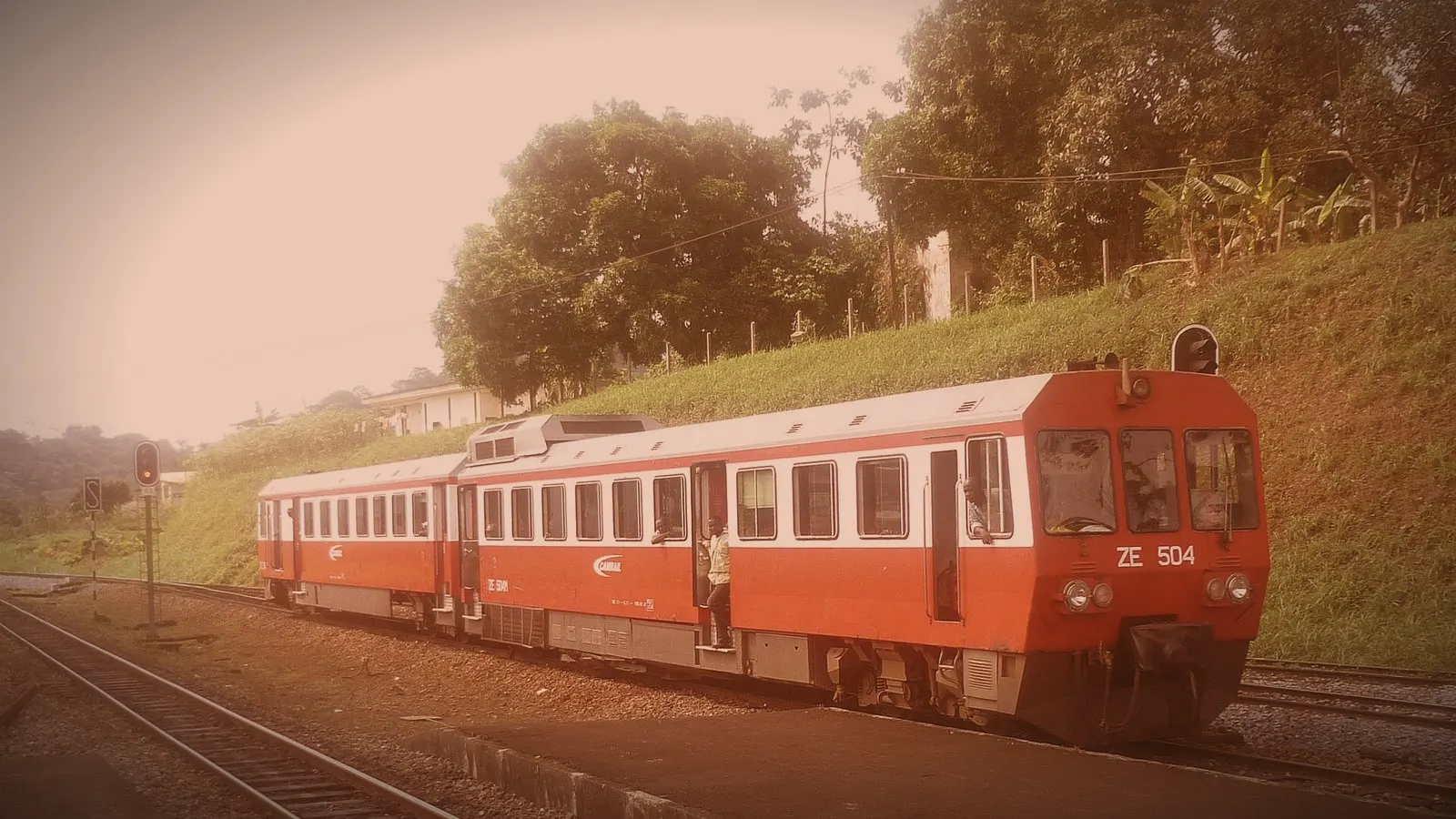
On October 21, 2026, Cameroon commemorated the tenth anniversary of the worst rail disaster in its history in Eséka, Yaoundé, and Douala. On October 21, 2016, Camrail's Intercity train No. 152, traveling from Yaoundé to Douala, derailed near the Eséka station, about a hundred kilometers from the capital: 79 dead and more than 500 injured, according to the toll reported by RFI, and 82 deaths according to the Prime Minister's office as cited by AfricActu.
That day, the main road between the two cities was cut off and the station was overwhelmed. Camrail had added cars to the train, which consisted of seventeen. According to the investigation report, the train was traveling at 96 km/h on a section limited to 40 km/h. The document also points to the overloading of the convoy, an inappropriate extension of the train, wagons with faulty brakes, and the fact that the company's management had dismissed the concerns expressed by the driver before departure.
A conviction in 2018, then the wait
On September 26, 2018, the Eséka Court of First Instance found Camrail, then a subsidiary of the Bolloré group, and eleven of its employees guilty of involuntary homicide and injuries. The former general manager was sentenced to a six-month suspended prison term, and other officials received sentences of three to five months suspended. The driver, who was on the run, was sentenced to five years in prison.
Camrail appealed and challenged the quality of the technical expert reports. In October 2026, ten years after the events and eight years after the judgment, this appeal trial has still not been heard. The company claims to have paid 98% of the compensation; lawyers for the victims deem the amounts insufficient, and some families say they have received nothing. Bolloré sold its African transport and logistics operations to the Italo-Swiss company MSC in 2022, which does not extinguish the proceedings.
"Since this accident, my life no longer exists"
Ten years later, it is the survivors who carry the memory. Eugénie, 39, lives with fractures and aftereffects that have cost her her independence: "Since this accident, my life no longer exists," she confides to RFI. Arnaud, who was in the second-to-last wagon, says he has never forgotten the bodies he saw in his.
Lawyer Thomas Dissakè is still searching for the remains of his wife, the notary Dorette Dissakè, whose body was never found. With Camrail and the Ministry of Transport, he had the ground in Eséka surveyed, and then an exhumation in the Centre region proved unsuccessful. "On what basis can we grieve?" he asks.
Eséka was not an inevitability: it was a chain of human decisions, documented by a public inquiry and sanctioned by a Cameroonian court. What remains in limbo is the most basic right of the families—a final decision, appropriate reparations, and for some, a grave. Ten years of waiting for an appeal is not a procedural detail: it is justice itself that is drifting away.
This article was written in French with the help of artificial intelligence from the sources cited below, then translated from French automatically. Read the original.