Eswatini: Laotian man deported by the US released after fourteen months in prison, 26 detainees still locked up
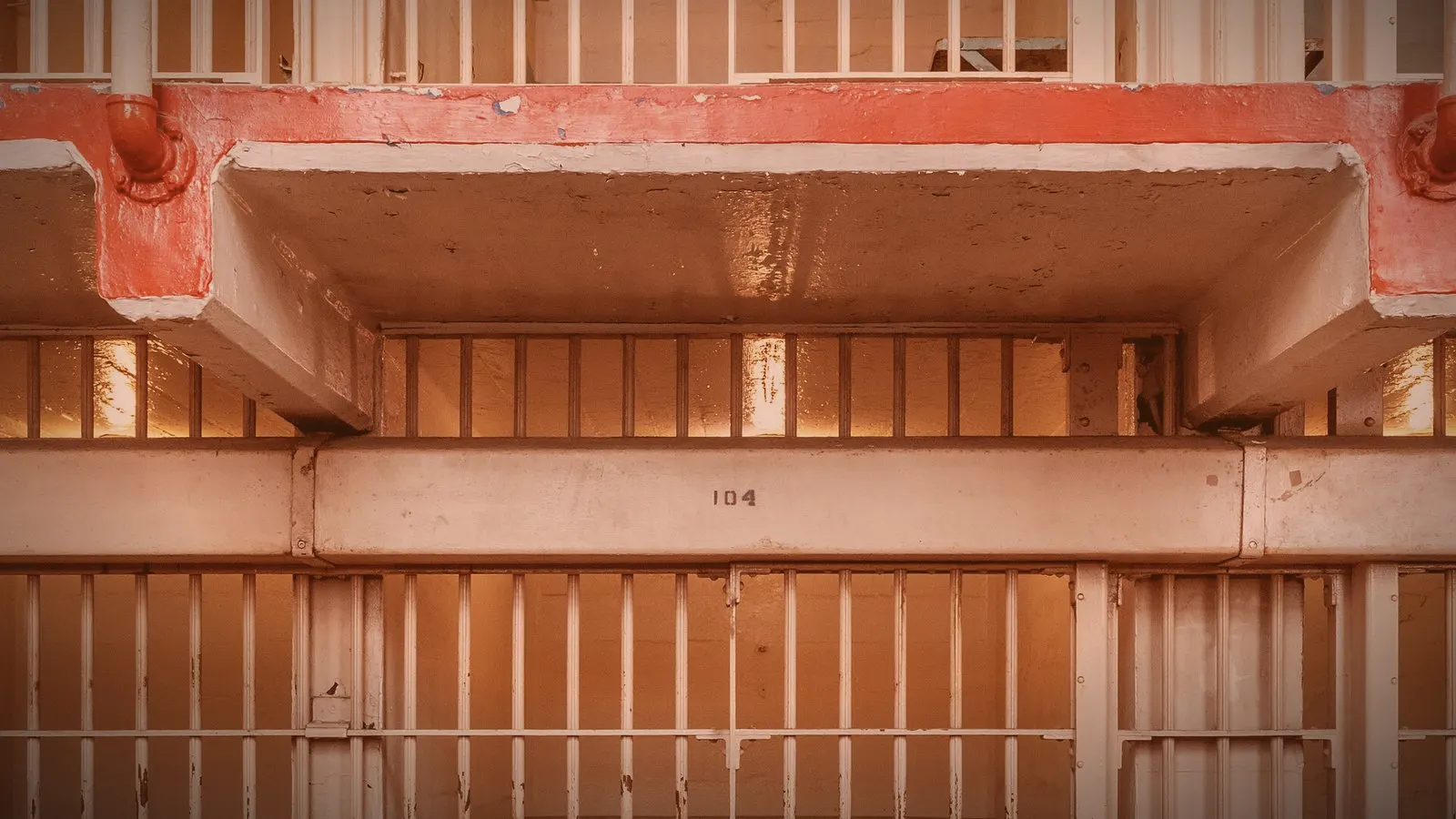
Phone Chomsavanh, a Laotian national deported from the United States to Eswatini in July 2025, was released from Matsapha prison on Sunday, October 4, 2026, after more than fourteen months of detention. He was transported to Johannesburg, en route to Laos, according to the Associated Press, which cites his American lawyer, Tin Thanh Nguyen.
"He sat there for over a year. No notification, no hearing," the lawyer told the agency. Chomsavanh was part of an initial group of five men who disembarked from a U.S. military plane on July 15, 2025. All had served their sentences in the United States before being deported to a country whose name they did not even know.
Thirty-two people, twenty-one nationalities
According to the registry kept by the organization Third Country Deportation Watch, thirty-two people were transferred from the United States to Eswatini over the course of five flights: July 15, 2025, October 6, 2025, March 11, 2026, July 8, 2026, and August 27, 2026. They are from about twenty countries, including Chad, Ethiopia, Somalia, Tanzania, Sudan, the DRC, Kenya, Cameroon, and Mauritania, as well as Vietnam, Yemen, Cuba, Jamaica, Haiti, and Mexico.
As of September 10, 2026, twenty-six of these thirty-two people remained detained without a court order authorizing it, according to the same source. A few have been able to be repatriated to Jamaica, Cambodia, or Yemen. Since the launch of the U.S. program in 2025, approximately 500 people have been deported to African countries, including about thirty to Eswatini, the AP reports.
A $5.1 million deal
Mbabane received $5.1 million from the Trump administration as part of this arrangement, according to the AP. The exact content of the agreement has never been made public. The Eswatini government spokesperson did not immediately confirm the release; Washington did not comment on this case.
The kingdom's judiciary has, however, set boundaries: in April 2026, the Supreme Court of Eswatini confirmed the right of these detainees to access a lawyer, following a first-instance decision in October 2025 that had remained suspended on appeal.
The case raises a question that goes far beyond the fate of one man. African states are agreeing, in exchange for funding, to lock up on their soil people deported by a foreign power, without trial and without a public national legal basis.
The case raises a question that goes far beyond the fate of one man. African states are agreeing, in exchange for funding, to lock up on their soil people deported by a foreign power, without trial and without a clear national legal basis. Rwanda and Burundi have been cited in similar arrangements.
Defending African sovereignty also means refusing to let the continent become a place where others dump those they no longer want. And the dignity owed to these detainees does not depend on their passport.
This article was written in French with the help of artificial intelligence from the sources cited below, then translated from French automatically. Read the original.